The Secret Ingredient That Makes Them Ultra Creamy—Better Than Restaurant Style
Mashed potatoes seem simple. Boil, mash, add milk, maybe a little butter, and you’re done. Yet somehow, restaurant mashed potatoes almost always taste richer, smoother, and more luxurious than what most people make at home.
The difference is not just skill—it’s understanding ingredients and technique at a deeper level.
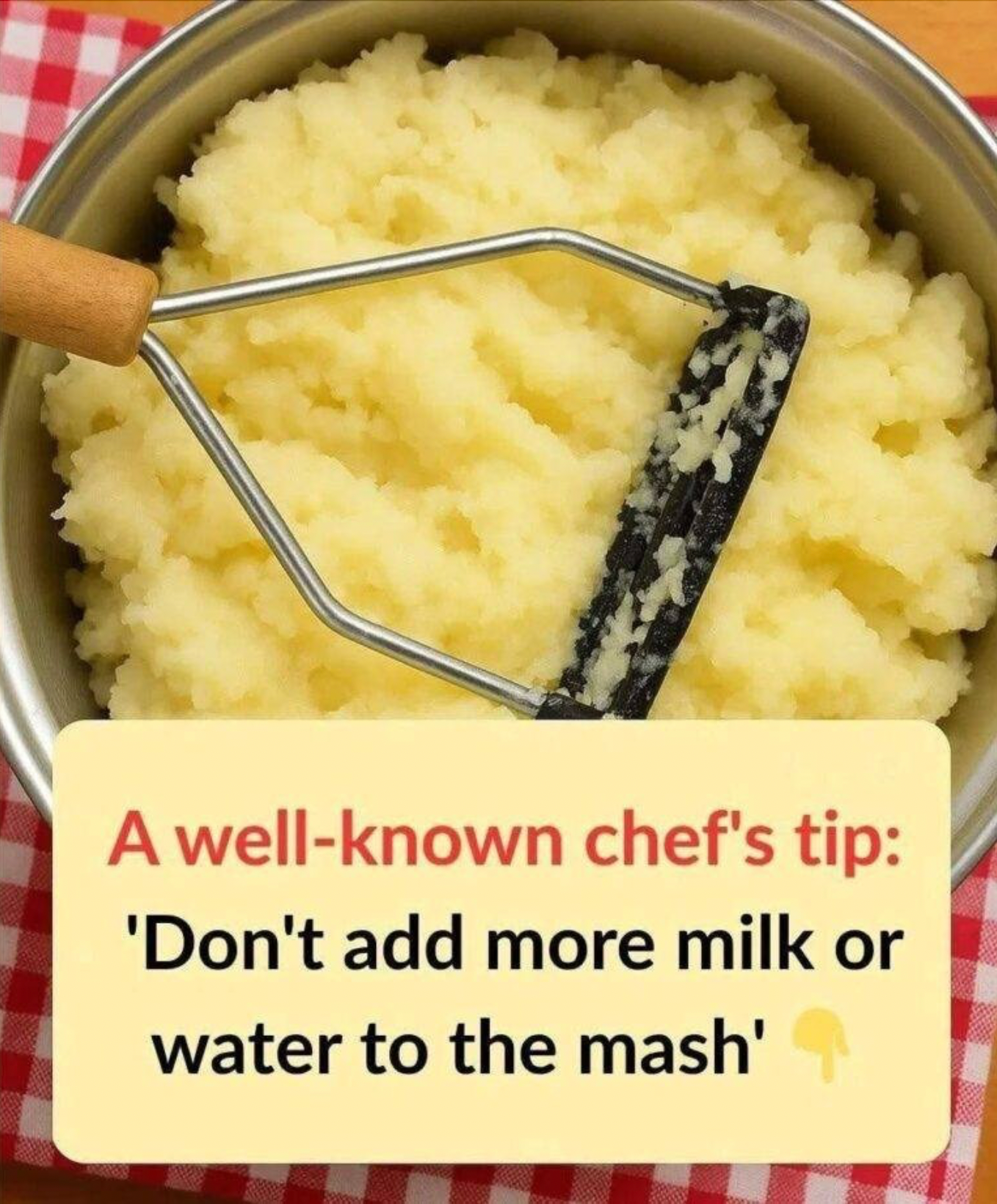
Many professional chefs agree on one surprising tip:
Skip the milk or water—and use a richer, more flavorful ingredient instead.
That ingredient is often cream, butter, cream cheese, sour cream, or even a combination, depending on the style. But the principle is always the same:
Replace thin liquid with something that adds both fat and structure.
This guide will take you deep into why this works, how to do it properly, and how to achieve mashed potatoes that are truly restaurant-quality.
Why Milk and Water Fall Short
1. They Dilute Flavor
Milk and water:
- Add moisture
- But reduce intensity
Water especially contributes nothing to flavor.
2. They Don’t Add Enough Fat
Fat is what makes mashed potatoes:
- Smooth
- Rich
- Satisfying
Milk contains some fat, but not enough to create that luxurious texture.
3. They Can Make Potatoes Watery
Too much liquid leads to:
- Loose consistency
- Less body
- Weak texture
The Chef’s Secret: Use Rich Ingredients Instead
1. Heavy Cream
Why It Works
- High fat content
- Smooth texture
- Enhances flavor without thinning
Result
- Silky, restaurant-style potatoes
2. Butter (Lots of It)
Butter is essential.
What It Does
- Adds richness
- Improves mouthfeel
- Creates smooth consistency
Professional kitchens often use more butter than home cooks expect.
3. Cream Cheese
A powerful upgrade.
Benefits
- Adds thickness
- Creates creamy texture
- Adds slight tang
4. Sour Cream
Why Chefs Love It
- Adds acidity
- Balances richness
- Enhances flavor depth
5. Crème Fraîche (Advanced Option)
- Similar to sour cream
- Smoother and richer
The Science Behind Creamy Potatoes
Starch + Fat = Creaminess
Potatoes contain starch. When combined with fat:
- Starch absorbs fat
- Creates smooth texture
Water vs Fat
- Water spreads starch
- Fat coats starch
Result
Fat creates a richer, creamier feel.
Choosing the Right Potatoes
Best Types
- Starchy potatoes (like russet)
- All-purpose potatoes (like Yukon Gold)
Why It Matters
Different potatoes affect:
- Texture
- Absorption
- Final consistency
Step-by-Step Method for Perfect Mashed Potatoes
Step 1: Boil Potatoes Properly
- Cut evenly
- Start in cold water
- Add salt
Why
Ensures even cooking.
Step 2: Drain and Dry
- Remove water completely
- Let potatoes steam dry
Important
Removes excess moisture.
Step 3: Mash While Hot
- Mash immediately
Hot potatoes absorb fat better.
Step 4: Add Butter First
This is a key professional trick.
Why
- Butter coats starch
- Prevents gluey texture
Step 5: Add Creamy Ingredients
- Add cream, cream cheese, or sour cream
Do It Gradually
Control texture carefully.
Step 6: Mix Gently
Avoid overmixing.
Why
Overmixing releases too much starch, causing:
- Gluey texture
- Sticky potatoes
Texture Goals
Perfect mashed potatoes should be:
- Smooth
- Creamy
- Thick but soft
- Not watery or stiff
Flavor Enhancements
Salt
Essential for bringing out flavor.
Garlic
Adds depth and warmth.
Herbs
- Chives
- Parsley
Cheese (Optional)
- Adds richness and flavor
Common Mistakes to Avoid
Adding Liquid Too Early
Always add butter first.
Overmixing
Leads to gluey potatoes.
Using Too Much Liquid
Creates loose texture.
Not Salting Enough
Results in bland potatoes.
Why Restaurant Mashed Potatoes Taste Better
1. More Fat
Restaurants use:
- More butter
- More cream
2. Better Technique
- Proper order of ingredients
- Careful mixing
3. Ingredient Quality
High-quality dairy makes a difference.
Variations to Try
Ultra-Rich Version
- Butter + cream + cream cheese
Tangy Version
- Butter + sour cream
Balanced Version
- Butter + cream
Serving Ideas
Classic Pairings
- Meat dishes
- Roasted vegetables
Elevated Presentation
- Smooth swirl on plate
- Drizzle of melted butter