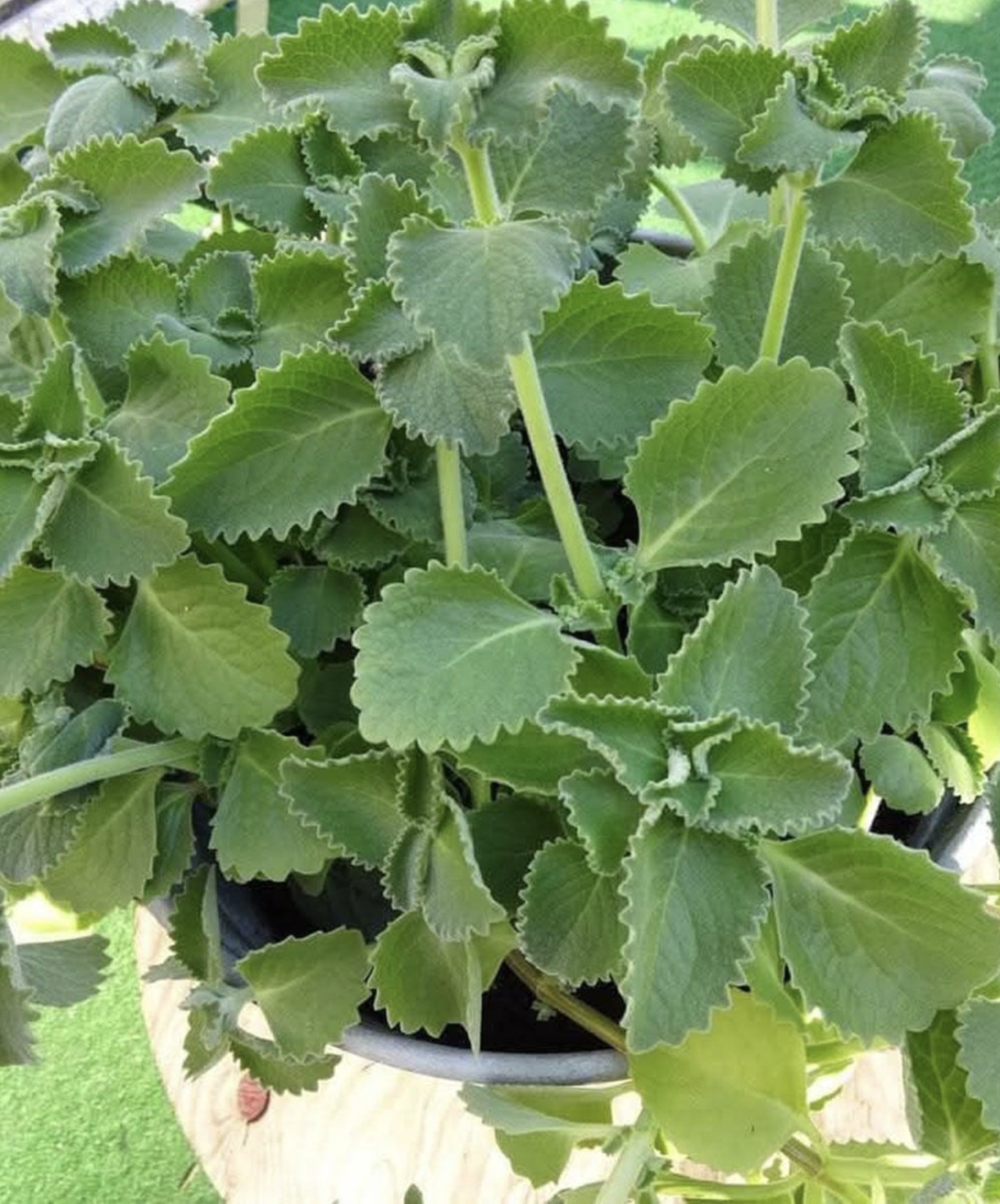
Oregano is one of those herbs most people think of first as a flavor—sprinkled over pizza, stirred into sauces, or used to season roasted dishes. But beyond its culinary role, oregano has long been studied for its bioactive compounds and potential health-supporting properties.
A closer, science-based look shows that oregano is neither a miracle cure nor just a simple herb. It sits somewhere in between: a plant with interesting chemical properties that may support certain aspects of wellness when used appropriately.
What Is Oregano, Scientifically Speaking?
The oregano most commonly used in cooking comes from Origanum vulgare, a member of the mint family.
It contains a variety of naturally occurring compounds, including:
- Phenols
- Flavonoids
- Essential oils
Among these, two compounds receive the most scientific attention:
- Carvacrol
- Thymol
These are responsible for much of oregano’s aroma, flavor, and potential biological activity.
1. Antioxidant Properties: Fighting Oxidative Stress
One of the most studied aspects of oregano is its antioxidant capacity.
What this means:
The body naturally produces unstable molecules called free radicals. When these accumulate, they can contribute to oxidative stress, which is associated with aging and various chronic conditions.
Oregano contains compounds that can:
- Neutralize free radicals
- Reduce oxidative damage at a cellular level (in laboratory settings)
Scientific perspective:
- Oregano extracts show strong antioxidant activity in lab studies
- However, effects in the human body depend on absorption and overall diet
Practical takeaway:
Including oregano in meals contributes small amounts of antioxidants, which support overall dietary balance—but it is not a standalone solution.
2. Antimicrobial Activity: Laboratory Evidence
Carvacrol and thymol have been widely studied for their antimicrobial properties.
In laboratory conditions, oregano compounds have shown activity against:
- Certain bacteria
- Some fungi
- Specific microorganisms
Important clarification:
- These results are often observed in controlled lab environments
- Concentrations used in studies are higher than typical dietary intake
What this means in real life:
Oregano may contribute to food preservation and hygiene at a small level, but eating oregano does not replace medical treatment for infections.
3. Anti-Inflammatory Potential
Chronic inflammation is linked to many health conditions, including joint issues, cardiovascular concerns, and metabolic disorders.
Certain compounds in oregano may:
- Influence inflammatory pathways
- Reduce markers of inflammation in experimental models
Scientific reality:
- Most evidence comes from cell and animal studies
- Human evidence is still limited
Practical implication:
Oregano can be part of an anti-inflammatory diet when combined with:
- Vegetables
- Healthy fats
- Whole foods
4. Digestive Support
Traditionally, oregano has been used to support digestion.
Possible effects:
- May stimulate digestive enzyme activity
- May help reduce bloating in some individuals
- May support gut balance in mild cases
Scientific context:
While traditional use is widespread, clinical research in humans is still developing.
5. Respiratory Support (Traditional Use vs Evidence)
Oregano has historically been used in herbal practices for respiratory comfort.
This includes:
- Herbal teas
- Steam inhalation (in traditional settings)
Why:
Its aromatic compounds may:
- Provide a soothing sensation
- Support airway comfort
Important note:
These uses are based largely on tradition, not strong clinical evidence.
6. Oregano Oil: Concentrated but Not Risk-Free
Oregano oil is often promoted online as a powerful natural remedy.
What it contains:
Highly concentrated forms of carvacrol and thymol.
Potential benefits (under study):
- Strong antimicrobial effects in lab settings
Risks and cautions:
- Can irritate the digestive system
- May interact with medications
- Should not be used in high doses without guidance
Key point:
Oregano oil is not the same as culinary oregano and should be used carefully.
7. Nutritional Contribution in Daily Diet
While oregano is used in small amounts, it still contributes:
- Trace vitamins (like vitamin K)
- Small amounts of minerals
- Phytochemicals that support overall dietary diversity
The real benefit comes from consistent inclusion in a varied diet, not from large doses.
8. What Oregano Does NOT Do (Important Reality Check)
Despite online claims, oregano does not:
- Cure diseases on its own
- Replace antibiotics or medical treatment
- Instantly “boost immunity” in a measurable way
- Detox the body
The body already has systems (like the liver and kidneys) that handle detoxification.
9. The Real Role of Oregano in Wellness
A realistic, evidence-based perspective is this:
Oregano is a supportive herb, not a therapeutic solution.
It contributes to wellness by:
- Adding antioxidants to the diet
- Enhancing flavor, which can reduce reliance on salt
- Supporting dietary variety
- Providing small amounts of beneficial plant compounds
10. Best Ways to Use Oregano
In everyday cooking:
- Add to sauces, soups, and roasted dishes
- Use with olive oil for seasoning
As a tea (mild use):
- Steep dried leaves in hot water
- Drink occasionally, not excessively
As part of a balanced diet:
Combine with:
- Vegetables
- Whole grains
- Healthy fats
Final Thoughts
Oregano is a fascinating example of how everyday foods can contain complex compounds with potential biological effects. Scientific research supports some of its properties, particularly in laboratory settings, but real-world health outcomes depend on how it is used within a broader lifestyle.
It is not a cure, not a shortcut, and not a replacement for proper care—but it is a valuable addition to a thoughtful, balanced approach to nutrition.
In simple terms:
Oregano does not transform health on its own, but it quietly supports it as part of a larger picture.

Welcome to my kitchen!
I’m a passionate home cook and recipe creator who loves turning simple ingredients into delicious, comforting meals that everyone can enjoy. Through this website, I share carefully prepared recipes, practical cooking tips, and easy-to-understand food education to help you feel more confident in the kitchen.
My goal is to make cooking simple, enjoyable, and accessible. Whether you are looking for a quick family dinner, a delicious dessert, healthy meal ideas, or traditional recipes with a modern touch, you’ll find inspiration here.
More Than Just Recipes
I believe that cooking is also a way to learn. That’s why this website is not only about recipes. I also create educational articles about ingredients, cooking techniques, kitchen tips, food preparation, and the stories behind different dishes.
Each article is designed to give you useful knowledge that you can apply in your own kitchen. From understanding how ingredients work together to learning better cooking methods, my aim is to help you become a more confident and creative cook.
My Philosophy
Good food doesn’t always require complicated ingredients or professional equipment. With a little knowledge, patience, and creativity, simple ingredients can become something truly special.
I believe in sharing recipes that are practical, clearly explained, and enjoyable to make. I also love exploring new flavors while appreciating traditional cooking and the recipes passed down through generations.
Thank you for visiting my kitchen and being part of this food-loving community. I hope my recipes and articles inspire you to cook, learn, experiment, and most importantly, enjoy every bite!
Happy cooking!