Even If You’ve Killed Every Plant Before
Let’s be honest: not everyone is naturally gifted when it comes to houseplants.
Some people can keep orchids blooming year-round and turn their homes into indoor jungles. Others accidentally destroy even the hardiest cactus and quietly decide they simply “aren’t plant people.”
Maybe you’ve:
- forgotten to water plants for weeks
- overwatered roots into mush
- placed plants in terrible lighting
- watched leaves turn yellow for mysterious reasons
- or witnessed a once-beautiful plant slowly collapse despite your best intentions.
If that sounds familiar, the spider plant may completely change your relationship with indoor gardening.
Because this plant has earned a reputation for being one of the most forgiving, resilient, adaptable, and beginner-friendly houseplants in the world.
And beyond surviving neglect, spider plants also bring:
- vibrant greenery
- airiness and texture
- calming visual energy
- and practical everyday benefits into a home.
Meet the Spider Plant
The spider plant is scientifically known as:
Chlorophytum comosum
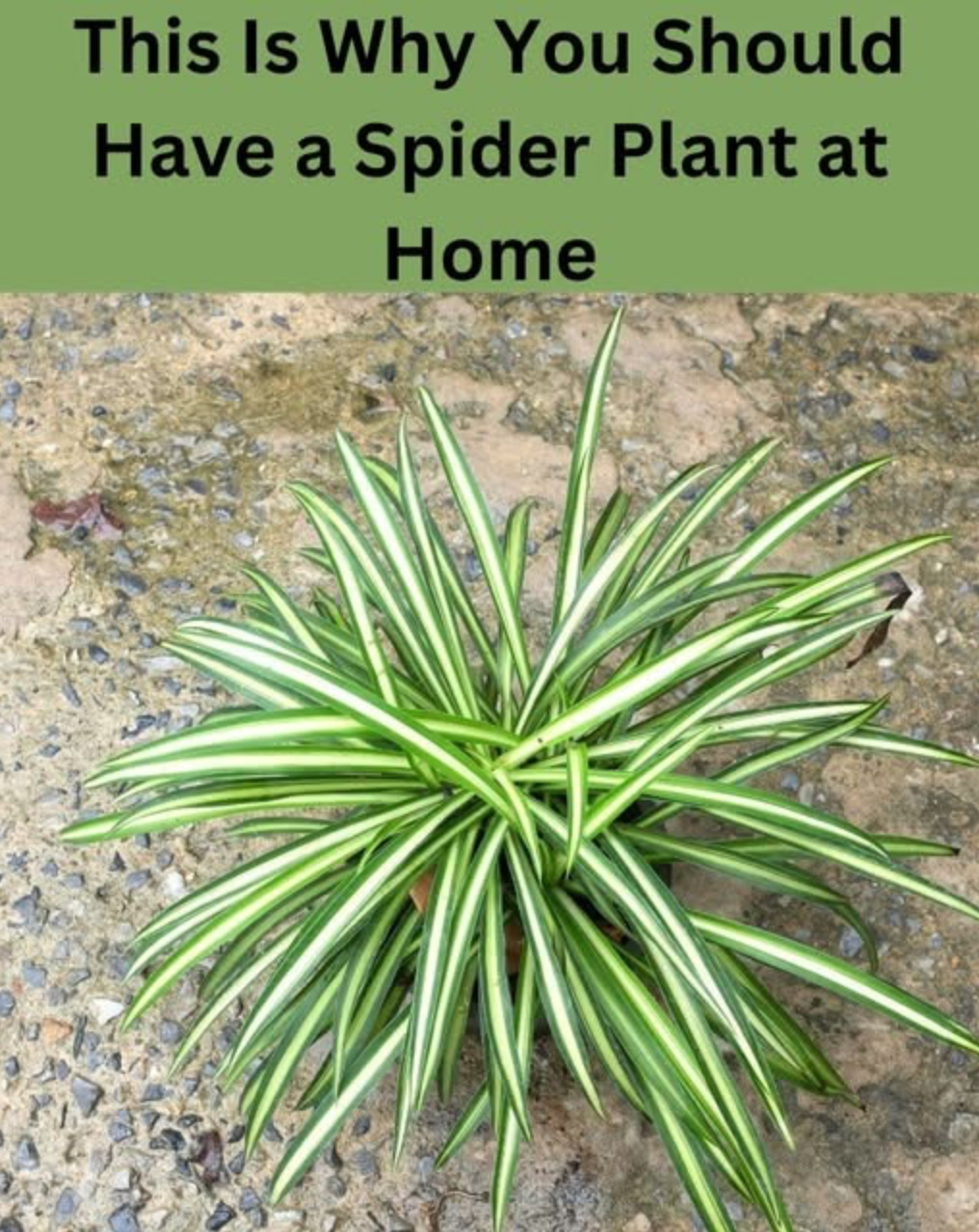
It’s instantly recognizable by its:
- long arching leaves
- striped green-and-white coloration
- fountain-like shape
- dangling baby offshoots called “spiderettes.”
These baby plants hang down from stems like tiny suspended stars or spiders—hence the plant’s unusual name.
Why Spider Plants Became So Popular
Spider plants exploded in popularity during the 1970s and remain beloved today because they combine:
- beauty
- durability
- affordability
- simplicity.
Unlike many delicate houseplants, spider plants tolerate:
- inconsistent watering
- changing temperatures
- imperfect lighting
- beginner mistakes.
In many homes, they survive for years with surprisingly little effort.
The Plant That “Wants” to Stay Alive
One reason spider plants are so beginner-friendly is that they naturally evolved to be adaptable.
They don’t require:
- constant monitoring
- expensive fertilizers
- complicated pruning schedules
- humid greenhouse conditions.
In fact, spider plants often recover remarkably well even after neglect.
That resilience gives beginners confidence.
Why Spider Plants Feel So Visually Relaxing
There’s something calming about the shape of a spider plant.
Its leaves curve outward in soft arcs, creating movement and softness in a room.
The plant feels:
- lively
- airy
- fresh
- approachable.
Unlike stiff ornamental plants, spider plants often look casual and welcoming.
Air-Purifying Reputation
Spider plants became famous partly because of studies exploring indoor air quality.
Researchers examined whether certain houseplants could help reduce small amounts of indoor airborne compounds under controlled conditions.
Spider plants gained attention for potentially helping absorb trace pollutants like:
- formaldehyde
- carbon monoxide
- xylene.
However, it’s important to keep expectations realistic:
a single plant will not “purify” an entire home dramatically.
Still, plants can contribute psychologically to a fresher-feeling environment while adding humidity and greenery indoors.
Why Greenery Affects Mood
Studies consistently show that indoor plants may positively influence:
- stress levels
- mood
- concentration
- feelings of calmness.
Humans tend to respond positively to natural elements indoors.
Even a simple plant can make a room feel:
- softer
- more peaceful
- more alive.
Spider Plants Are Extremely Adaptable
One of the biggest reasons people love spider plants:
they tolerate a wide range of conditions.
Light
Spider plants prefer:
- bright indirect light
But they can also survive in:
- lower light rooms
- offices
- apartments with limited sunlight.
Direct harsh sunlight may scorch leaves, but otherwise they are remarkably flexible.
Watering
Spider plants prefer slightly moist soil, but they are forgiving if you forget occasionally.
In fact, overwatering is often more dangerous than underwatering.
Their thick roots store water efficiently, helping them survive inconsistent care.
Temperature
They thrive comfortably in normal indoor temperatures.
No greenhouse required.
The Famous “Spider Babies”
One of the most charming features of spider plants is their offshoots.
Mature plants produce long stems with tiny baby plants attached.
These “spiderettes” can:
- dangle decoratively
- be replanted
- grow into entirely new plants.
This makes spider plants feel rewarding because they naturally multiply over time.
Why People Love Propagating Them
Spider plant propagation is incredibly simple.
The baby plantlets already contain tiny starter roots.
You can often:
- place them in water
- plant them directly into soil
- or leave them attached temporarily while rooting.
For beginners, this process feels almost magical because success rates are very high.
A Plant That Encourages Confidence
Many people who think they “can’t keep plants alive” succeed with spider plants for one important reason:
the plant tolerates learning.
Instead of dying immediately after small mistakes, it adapts.
That forgiving nature helps people:
- build routine
- notice plant signals
- gain gardening confidence.
Common Spider Plant Problems
Even resilient plants sometimes show stress.
Brown Leaf Tips
Very common and usually harmless.
Can result from:
- dry air
- tap water minerals
- inconsistent watering.
Yellow Leaves
Often linked to overwatering.
Pale Growth
May indicate insufficient light.
Why Spider Plants Fit Modern Homes So Well
Spider plants work beautifully in:
- apartments
- dorm rooms
- kitchens
- offices
- bathrooms with light
- hanging baskets
- shelves.
Their flowing shape adds softness without requiring large amounts of space.
Pet Considerations
Spider plants are generally considered non-toxic to cats and dogs, which makes them a popular choice for pet owners.
However, some cats enjoy chewing the leaves, so placement still matters.
The Emotional Side of Caring for Plants
Houseplants often become more meaningful than expected.
Caring for even one small plant creates:
- routine
- attentiveness
- connection to living things.
Watching new growth appear after watering and sunlight can feel surprisingly satisfying.
Why Beginner-Friendly Plants Matter
People often assume successful plant care requires expertise.
But beginner-friendly plants like spider plants show that:
- perfection isn’t necessary
- small routines matter more than skill
- resilience exists in nature too.
Sometimes a plant survives not because care was flawless—but because life itself is adaptable.
Decorating With Spider Plants
Spider plants pair beautifully with:
- minimalist interiors
- boho decor
- farmhouse styles
- modern apartments
- vintage spaces.
Their cascading leaves soften hard edges and brighten rooms naturally.
Hanging Baskets and Shelves
Spider plants look especially striking when elevated because the dangling baby plants create dramatic cascading effects.
This is why they are often displayed:
- near windows
- on floating shelves
- in hanging pots.
Why Older Generations Loved Them
Spider plants became household staples decades ago partly because they were:
- affordable
- easy to share
- difficult to kill
- visually attractive.
Neighbors and relatives often passed baby spider plants between households, making them deeply nostalgic for many people.
The Simplicity People Miss
Part of the spider plant’s appeal today comes from simplicity.
Modern life can feel:
- overstimulating
- digital
- rushed.
A resilient green plant quietly growing beside a window offers something slower and grounding.

Welcome to my kitchen!
I’m a passionate home cook and recipe creator who loves turning simple ingredients into delicious, comforting meals that everyone can enjoy. Through this website, I share carefully prepared recipes, practical cooking tips, and easy-to-understand food education to help you feel more confident in the kitchen.
My goal is to make cooking simple, enjoyable, and accessible. Whether you are looking for a quick family dinner, a delicious dessert, healthy meal ideas, or traditional recipes with a modern touch, you’ll find inspiration here.
More Than Just Recipes
I believe that cooking is also a way to learn. That’s why this website is not only about recipes. I also create educational articles about ingredients, cooking techniques, kitchen tips, food preparation, and the stories behind different dishes.
Each article is designed to give you useful knowledge that you can apply in your own kitchen. From understanding how ingredients work together to learning better cooking methods, my aim is to help you become a more confident and creative cook.
My Philosophy
Good food doesn’t always require complicated ingredients or professional equipment. With a little knowledge, patience, and creativity, simple ingredients can become something truly special.
I believe in sharing recipes that are practical, clearly explained, and enjoyable to make. I also love exploring new flavors while appreciating traditional cooking and the recipes passed down through generations.
Thank you for visiting my kitchen and being part of this food-loving community. I hope my recipes and articles inspire you to cook, learn, experiment, and most importantly, enjoy every bite!
Happy cooking!