A Deep Dive into the Science, Cooking Methods, and Hidden Chemistry Inside an Egg
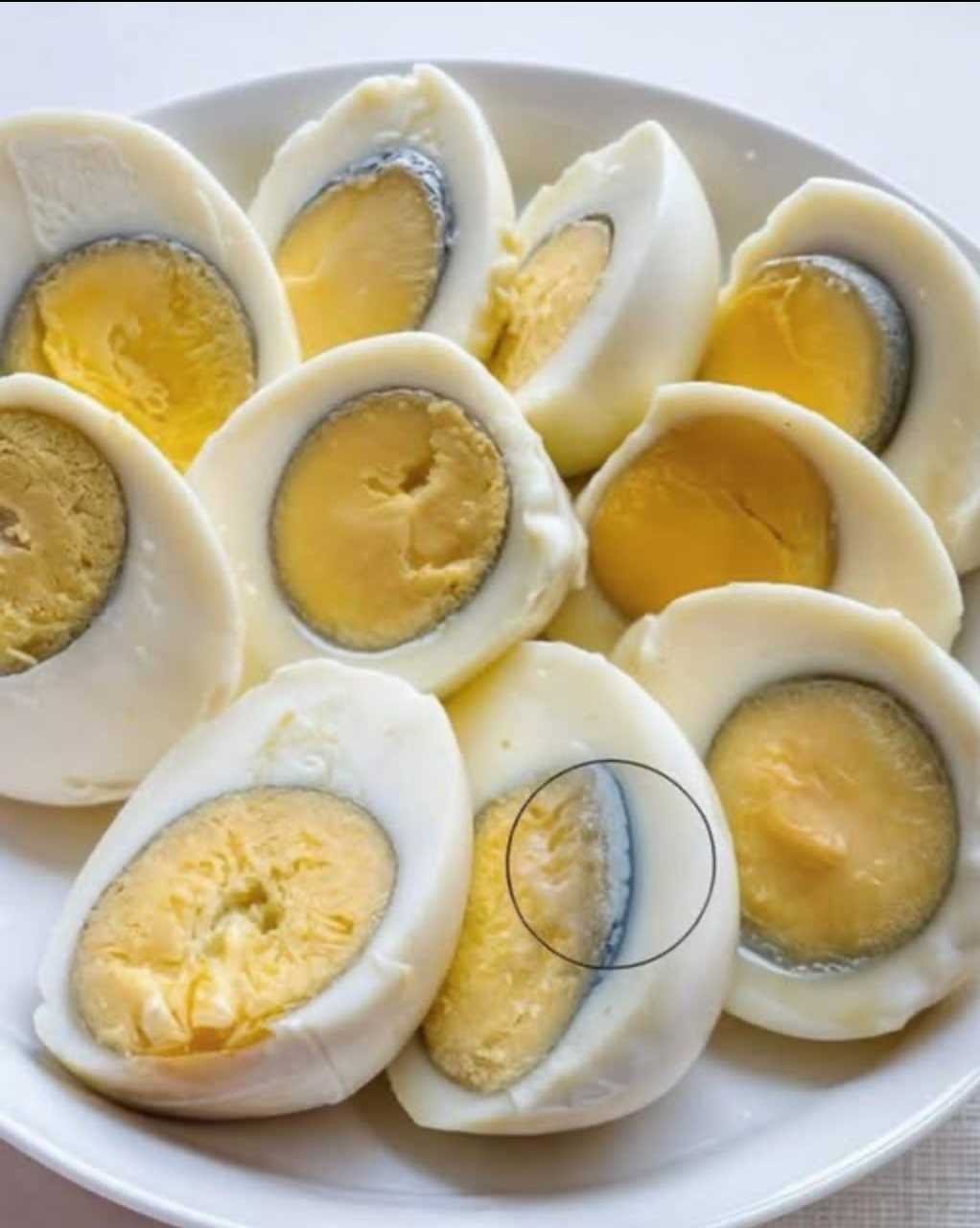
Hard-boiled eggs are one of the simplest and most nutritious foods in the kitchen. Yet many people are surprised—or even alarmed—when they peel a hard-boiled egg and find a greenish-gray ring surrounding the yolk. This unusual discoloration can raise questions about food safety, freshness, and nutritional quality. Is the egg spoiled? Has it gone bad? Should it be thrown away?
The answer is reassuring: the green ring is completely harmless. It is not a sign of spoilage, contamination, or poor quality. Instead, it is the result of a natural chemical reaction that occurs when eggs are cooked too long or at excessively high temperatures.
To fully understand why this green ring forms, it helps to explore what happens inside an egg when heat is applied.
What Happens Inside an Egg When It’s Cooked?
An egg may look simple, but it is a complex structure containing proteins, minerals, fats, water, and gases. When an egg is heated, several changes occur:
Proteins in the egg white and yolk denature and coagulate, turning from liquid to solid
Gases trapped inside the egg expand
Chemical compounds react differently depending on temperature and cooking duration
These changes are normal and desirable—but when heat is applied for too long, secondary chemical reactions begin to take place.
The Key Players: Sulfur and Iron
Two naturally occurring elements are responsible for the green ring:
Sulfur in Egg Whites
Egg whites contain sulfur-bearing amino acids. When heated, these sulfur compounds break down and release hydrogen sulfide gas, which has a distinctive smell often associated with overcooked eggs.
Iron in Egg Yolks
Egg yolks are rich in iron, a mineral essential for oxygen transport in the body and overall health.
When an egg is cooked gently, these components remain mostly separate. However, excessive heat allows them to interact.
The Chemical Reaction That Creates the Green Ring
When hydrogen sulfide gas migrates from the egg white toward the yolk, it reacts with the iron present there. This reaction forms iron sulfide, a compound that has a greenish or gray color.
This reaction occurs specifically at the boundary between the white and the yolk, which is why the green ring forms in that precise location rather than throughout the entire yolk.
The longer the egg remains hot, the more time this reaction has to develop and intensify.
Why Overcooking Is the Main Cause
The green ring is most commonly seen in eggs that are:
Boiled for too long
Cooked at a rolling boil instead of a gentle simmer
Left in hot water after cooking
Cooked in advance and kept warm
High temperatures accelerate chemical reactions, making sulfur release and migration much more likely.
Does Egg Age Matter?
Yes, egg freshness plays a role.
Older eggs have a higher pH in the egg white
Higher pH makes sulfur compounds more reactive
This increases the likelihood of hydrogen sulfide formation
As a result, older eggs are more prone to developing a green ring when overcooked.
Is the Egg Still Safe to Eat?
Absolutely.
The green ring is not mold
It is not bacterial growth
It does not indicate spoilage
The egg remains safe, edible, and nutritious. However, the texture may be less pleasant:
Egg whites can become rubbery
Yolks may turn dry, chalky, or crumbly
Flavor may be slightly sulfurous
Nutritional Impact of Overcooking Eggs
While the egg remains healthy, excessive heat can:
Reduce the bioavailability of some nutrients
Make proteins harder to digest
Slightly diminish heat-sensitive vitamins
Proper cooking preserves both nutrition and flavor.
How to Prevent the Green Ring Completely
1. Control Cooking Time
Cook eggs just long enough to fully set the yolk—typically 9 to 12 minutes, depending on size.
2. Use Gentle Heat
Avoid aggressive boiling. A gentle simmer is sufficient and safer.
3. Cool Immediately
Transfer eggs directly into an ice bath or cold water for several minutes to stop residual cooking.
4. Peel Promptly
Cooling and peeling quickly helps maintain the egg’s ideal texture and appearance.
Why the Green Ring Is a Common Culinary Mistake
The green ring often appears because people believe boiling longer makes eggs “safer” or easier to peel. In reality, overcooking causes more problems than it solves.
Professional chefs and food scientists emphasize precision and timing, not excessive heat.
A Simple Lesson in Kitchen Chemistry
The green ring around a hard-boiled egg is a fascinating example of how chemistry plays out in everyday cooking. It shows how natural elements—iron and sulfur—can react under heat to create visible changes in food.
Understanding this reaction helps cooks avoid unnecessary waste and enjoy better results.
Final Thoughts
A green ring around a hard-boiled egg yolk may look alarming, but it is simply a sign that the egg was exposed to heat for too long. It does not mean the egg is spoiled, dangerous, or unhealthy.
With proper cooking time, gentle heat, and quick cooling, you can consistently produce hard-boiled eggs with bright yellow yolks, tender whites, and excellent flavor.