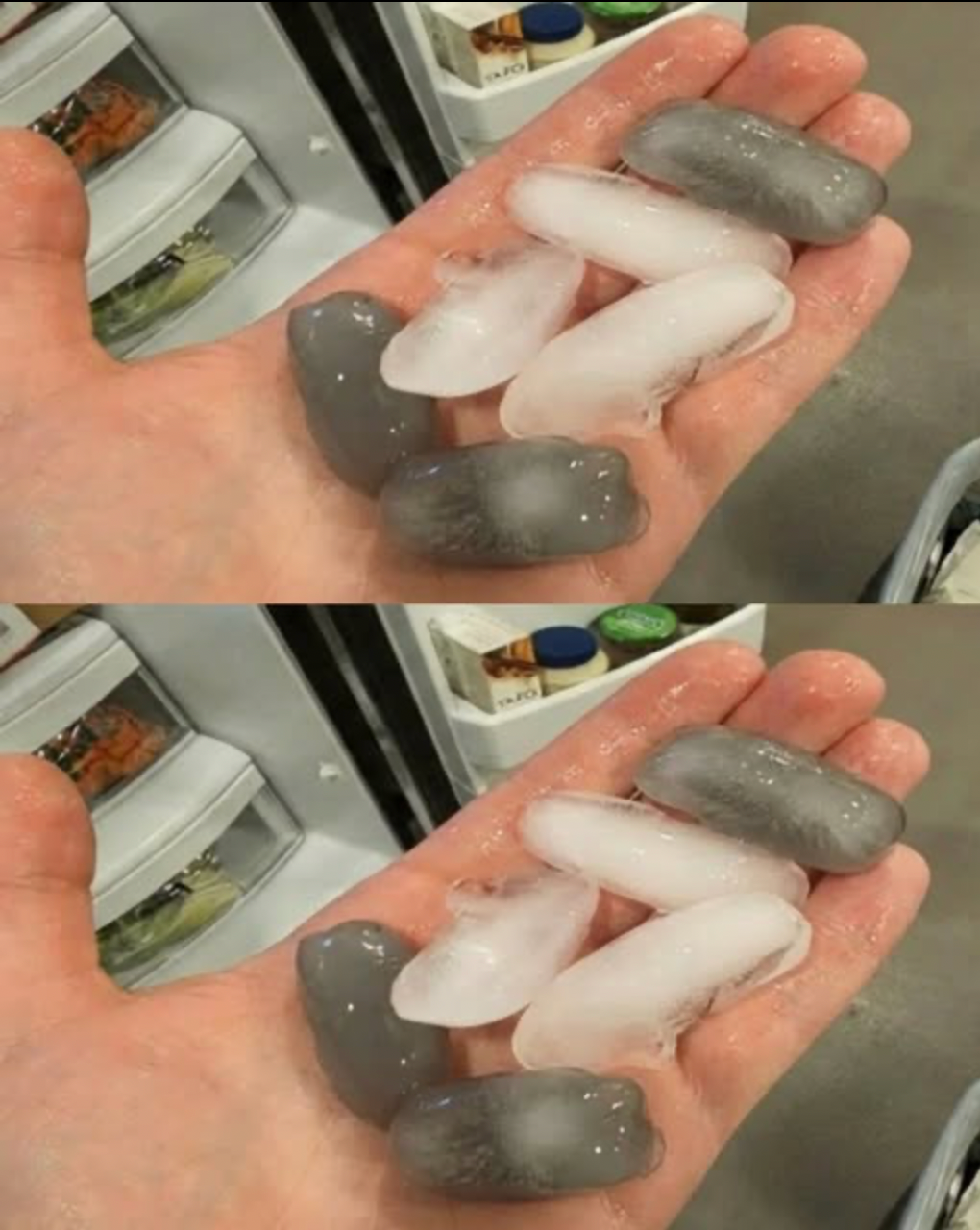
You open the freezer, scoop up a handful of ice, and freeze mid-motion. The cubes aren’t crystal clear. They look cloudy. Maybe even slightly gray. In certain light, they seem dull and lifeless—nothing like the pristine, glass-like cubes you see in restaurants.
It’s unsettling. You’re about to drop them into a glass of water, lemonade, or your morning iced coffee, and suddenly you’re wondering: Is this safe? Is something wrong with my fridge?
Here’s the reassuring truth:
Gray or cloudy ice is almost always harmless.
It won’t make you sick. It isn’t mold. And it’s rarely a sign of contamination.
But it is a signal. And understanding that signal can help you improve taste, appearance, and even the longevity of your ice maker.
Let’s break down what’s really happening.
The Two Most Common Causes of Gray Ice
1. Dissolved Minerals in Your Water
The number one cause of cloudy or grayish ice is something completely natural: minerals in your tap water.
Water contains dissolved minerals like:
- Calcium
- Magnesium
- Iron (in trace amounts)
- Other naturally occurring solids
When water freezes, it doesn’t freeze evenly. The outer edges solidify first, pushing impurities and minerals toward the center. As freezing continues, those minerals get trapped inside the cube.
The result?
- A cloudy core
- A dull gray appearance
- Sometimes a faint off-taste
If you live in an area with hard water, this effect becomes more noticeable.
The gray tint isn’t dirt—it’s just concentrated mineral content.
2. Air Bubbles Trapped During Freezing
Another common reason ice looks cloudy or grayish is trapped air.
As water freezes quickly (which most home freezers do), tiny air bubbles become suspended inside the ice instead of escaping. These bubbles scatter light, making the cube appear:
- Milky
- Opaque
- Slightly gray
This is especially common with standard ice trays and automatic ice makers that freeze water from all sides at once.
Fast freezing = more trapped air.
More trapped air = cloudier ice.
Less Common (But Possible) Causes
While minerals and air bubbles account for most cases, a few other factors can contribute to gray ice:
3. Old Water Filter
If your refrigerator has a built-in water dispenser or ice maker, it likely uses a filter. Over time, filters become saturated and less effective.
An overdue filter replacement can lead to:
- Slight discoloration
- Off flavors
- Increased sediment
Most manufacturers recommend replacing refrigerator water filters every 6 months, depending on usage.
4. Freezer Odors Absorbing into Ice
Ice is surprisingly absorbent. It can take on odors from:
- Uncovered leftovers
- Onions or garlic
- Strong-smelling frozen foods
While this doesn’t usually turn ice gray, it can make it taste unpleasant. Combined with cloudiness, it may feel like something is wrong—even when it isn’t.
Is Gray Ice Dangerous?
In nearly all household cases: No.
Gray or cloudy ice caused by minerals or air bubbles is safe to consume. It may not look pretty, but it doesn’t pose a health risk.
However, if you notice:
- A strong metallic taste
- Visible particles
- Slimy residue in the ice bin
- Mold in the ice compartment
Then it’s time to clean the system thoroughly and possibly inspect your water source.
How to Restore Crystal-Clear Ice
If you want restaurant-quality clarity, here’s how to achieve it.
1. Use Filtered or Distilled Water
Switching to:
- Filtered water
- Reverse osmosis water
- Distilled water
can dramatically reduce mineral content and improve clarity.
Fewer minerals = fewer cloudy centers.
2. Boil the Water Before Freezing
Boiling water removes dissolved gases and reduces air bubbles.
Simple method:
- Boil water.
- Let it cool slightly.
- Pour into ice trays.
- Freeze.
This often results in noticeably clearer cubes.
3. Try Directional Freezing
Professional bars use a method called directional freezing.
Instead of freezing water from all sides, they freeze it from one direction (usually top-down). This allows impurities and air to collect at the bottom, which can then be removed.
At home, you can mimic this by:
- Using an insulated cooler inside your freezer
- Leaving the lid slightly open
- Freezing a block of water
- Cutting off the cloudy bottom portion
It requires effort—but produces stunning clarity.
4. Clean Your Ice Maker Regularly
Over time, ice bins and trays accumulate:
- Mineral buildup
- Freezer odors
- Residue
Cleaning steps:
- Empty the ice bin
- Wash with warm water and mild soap
- Wipe interior surfaces
- Allow everything to dry fully
Doing this every few months keeps ice tasting fresh.
Why Clear Ice Looks “Better”
Clear ice isn’t just about aesthetics. It also:
- Melts more slowly
- Dilutes drinks less quickly
- Looks visually appealing
- Enhances presentation
That’s why high-end bars and restaurants invest time in producing perfectly transparent cubes.
But for everyday hydration? Slightly cloudy ice is completely fine.
The Takeaway
Gray or cloudy ice is usually caused by:
- Natural minerals in your water
- Air bubbles trapped during rapid freezing
It’s almost always safe. It’s rarely a health issue. And with a few small adjustments—filtered water, boiling, proper cleaning—you can bring back that pristine clarity.

Welcome to my kitchen!
I’m a passionate home cook and recipe creator who loves turning simple ingredients into delicious, comforting meals that everyone can enjoy. Through this website, I share carefully prepared recipes, practical cooking tips, and easy-to-understand food education to help you feel more confident in the kitchen.
My goal is to make cooking simple, enjoyable, and accessible. Whether you are looking for a quick family dinner, a delicious dessert, healthy meal ideas, or traditional recipes with a modern touch, you’ll find inspiration here.
More Than Just Recipes
I believe that cooking is also a way to learn. That’s why this website is not only about recipes. I also create educational articles about ingredients, cooking techniques, kitchen tips, food preparation, and the stories behind different dishes.
Each article is designed to give you useful knowledge that you can apply in your own kitchen. From understanding how ingredients work together to learning better cooking methods, my aim is to help you become a more confident and creative cook.
My Philosophy
Good food doesn’t always require complicated ingredients or professional equipment. With a little knowledge, patience, and creativity, simple ingredients can become something truly special.
I believe in sharing recipes that are practical, clearly explained, and enjoyable to make. I also love exploring new flavors while appreciating traditional cooking and the recipes passed down through generations.
Thank you for visiting my kitchen and being part of this food-loving community. I hope my recipes and articles inspire you to cook, learn, experiment, and most importantly, enjoy every bite!
Happy cooking!