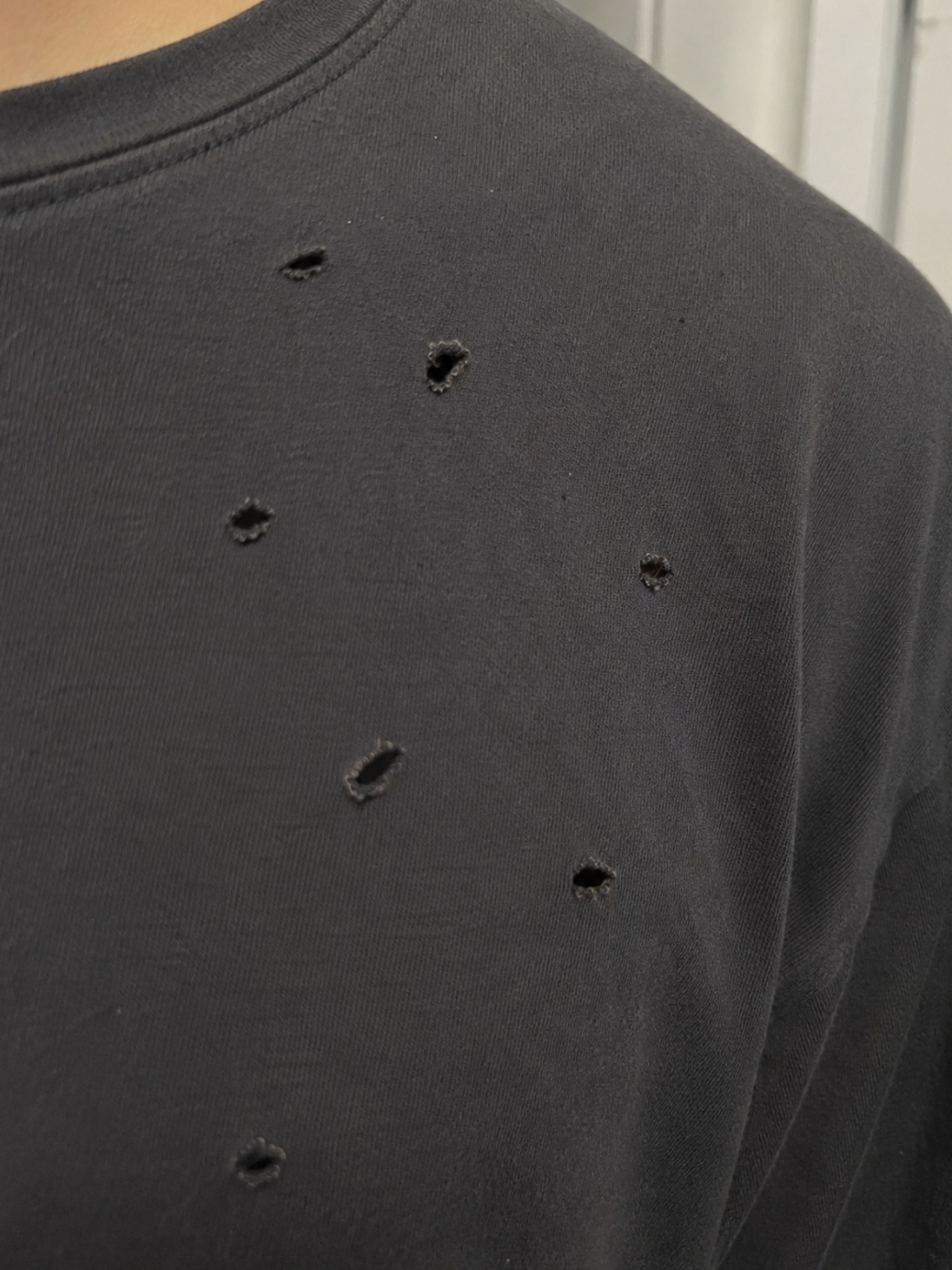
Few household frustrations are as puzzling as pulling a favorite T-shirt, blouse, sweater, or pair of leggings out of the laundry basket only to discover a mysterious hole that wasn’t there before. At first, it may seem like a random occurrence. One shirt develops a tiny tear near the hem. A few weeks later, another item shows similar damage. Eventually, you begin wondering whether your washing machine is ruining your wardrobe, moths have invaded your closet, or your clothes are simply wearing out much faster than they should.
The good news is that these mysterious holes usually have a cause—and once you identify it, you can often prevent future damage and extend the life of your clothing.
Why Small Holes Appear So Frequently
Clothing experiences a surprising amount of stress every day.
Between:
- wearing
- sitting
- stretching
- washing
- drying
- storing
fabric fibers are constantly under pressure.
Over time, weak spots develop. Sometimes the damage is gradual and obvious, but other times it appears suddenly, leaving you wondering where the hole came from.
Understanding the most common causes is the first step toward solving the mystery.
The Washing Machine: An Often Overlooked Culprit
Many people automatically assume holes are caused by poor-quality clothing or simple wear and tear.
However, the washing machine itself is frequently responsible.
During a wash cycle, clothing experiences:
- spinning
- twisting
- rubbing
- stretching
- friction against other garments
A single load may involve hundreds of rotations and constant contact between fabrics.
If there is any sharp edge inside the machine, delicate fabrics can easily snag.
Check for Sharp Spots Inside the Drum
One of the first things to inspect is the inside of your washing machine drum.
Look carefully for:
- rough metal edges
- cracked plastic parts
- exposed screws
- damaged drum holes
- broken agitator pieces
Even a tiny burr of metal can catch fabric repeatedly.
A small snag may start as an invisible pull in the fibers before eventually becoming a visible hole.
The Rubber Door Seal Problem
If you own a front-loading washing machine, examine the rubber gasket around the door.
Items can become trapped between:
- the drum
- the rubber seal
When this happens, fabric may:
- stretch
- tear
- develop holes
Small garments such as socks, underwear, lightweight shirts, and athletic wear are particularly vulnerable.
Zippers Are Secret Fabric Destroyers
One of the most common causes of clothing damage is surprisingly simple: open zippers.
During washing, exposed zipper teeth can act like tiny saws.
They may:
- snag knit fabrics
- pull threads
- create holes
- weaken seams
To reduce damage:
- zip all zippers before washing
- fasten hooks and clasps
- turn garments inside out
This simple habit can significantly reduce fabric wear.
Overloading the Washing Machine
It may seem efficient to fit as much laundry as possible into one load, but overcrowding can be hard on clothing.
When a machine is overloaded:
- garments cannot move freely
- fabric becomes compressed
- friction increases
- twisting becomes more severe
The result can be excessive stress on fibers and seams.
The Dryer May Be Responsible Too
Sometimes the washing machine gets blamed for damage actually caused by the dryer.
High heat and constant tumbling can weaken fabrics.
Potential issues include:
- overheating
- snagging
- friction
- excessive shrinkage
Inspect the dryer drum for:
- sharp edges
- damaged fins
- loose screws
Even small defects can create repeated damage.
Belt Buckles and Metal Hardware
Not all damage happens during laundry.
Metal accessories often cause holes without us realizing it.
Examples include:
- belt buckles
- jean buttons
- rivets
- jewelry
- purse hardware
Many people notice small holes near the lower front portion of shirts.
This often happens because fabric repeatedly rubs between a belt buckle and a countertop.
Over months of wear, the fibers gradually weaken until a hole forms.
Kitchen Counters and Work Surfaces
This cause surprises many people.
Think about how often you lean against:
- kitchen counters
- workbenches
- desks
- sinks
Each time you lean forward, fabric gets pinched between your body and a hard surface.
The constant abrasion slowly wears down the material.
This is especially common with:
- cotton T-shirts
- lightweight knit tops
- casual shirts
The resulting holes frequently appear around the waistline.
Moths: The Classic Explanation
Moths are famous for damaging clothing, and sometimes they really are responsible.
Clothes moth larvae feed on natural fibers such as:
- wool
- cashmere
- silk
- fur
Signs of moth damage include:
- irregular holes
- multiple affected garments
- damage in stored clothing
Adult moths are not the problem.
The larvae are the actual fabric eaters.
Carpet Beetles: The Often-Missed Culprit
Many people blame moths when carpet beetles are actually responsible.
These tiny insects feed on:
- wool
- feathers
- natural fibers
- lint
Unlike moths, carpet beetles can be difficult to detect until damage becomes noticeable.
Poor Fabric Quality
Not all fabrics are created equal.
Modern fast-fashion garments often use:
- thinner fibers
- lower-quality materials
- lighter construction
While these garments may feel soft and comfortable initially, they can wear out much faster.
Thin cotton blends are especially prone to:
- pilling
- stretching
- tearing
A small snag that stronger fabric would survive may create a hole immediately.
Chemical Damage
Strong cleaning products can weaken clothing fibers.
Potential culprits include:
- bleach
- stain removers
- harsh detergents
Repeated exposure may cause:
- thinning
- discoloration
- weakened fibers
The damage may not become visible until the next wash.
Pets Can Cause Hidden Damage
Dogs and cats may contribute to clothing damage more often than people realize.
Their claws can:
- snag fibers
- create tiny pulls
- weaken fabric
These weak points may later turn into holes during washing.
Insects Beyond Moths
Although moths receive most of the attention, other pests can damage fabric as well.
Examples include:
- silverfish
- carpet beetles
- certain larvae
These pests are particularly attracted to:
- stored clothing
- dark closets
- humid environments
How to Identify the Cause
The location of the holes often provides clues.
Holes Near the Waist
Possible causes:
- belt buckles
- countertops
- seat belts
Random Holes Everywhere
Possible causes:
- washing machine damage
- dryer damage
- insect activity
Holes in Stored Clothing
Possible causes:
- moths
- carpet beetles
- poor storage conditions
Damage Near Seams
Possible causes:
- excessive tension
- overloading laundry
- fabric weakness
Simple Prevention Tips
Use Mesh Laundry Bags
These bags protect delicate garments from:
- snagging
- stretching
- zipper damage
Turn Clothes Inside Out
This reduces surface friction and protects the visible side of the fabric.
Zip and Fasten Everything
Before washing:
- close zippers
- fasten hooks
- button buttons
This prevents garments from attacking one another during the wash cycle.
Avoid Overloading Machines
Leave enough room for clothes to move freely.
This reduces twisting and stress.
Use Gentle Cycles
Delicate fabrics benefit from:
- lower agitation
- slower spin speeds
- shorter wash times
Inspect Appliances Regularly
Check your washer and dryer every few months.
Look for:
- rough edges
- loose parts
- damaged seals
Catching problems early can save dozens of garments.
Store Clothing Properly
To prevent insect damage:
- keep closets clean
- wash clothes before storage
- use airtight containers when appropriate
- vacuum regularly
When It’s Time to Replace Clothing
Even with excellent care, all fabrics eventually wear out.
Signs include:
- thinning material
- repeated holes
- stretched fabric
- weakened seams
At that point, the issue may simply be natural aging rather than a specific problem.

Welcome to my kitchen!
I’m a passionate home cook and recipe creator who loves turning simple ingredients into delicious, comforting meals that everyone can enjoy. Through this website, I share carefully prepared recipes, practical cooking tips, and easy-to-understand food education to help you feel more confident in the kitchen.
My goal is to make cooking simple, enjoyable, and accessible. Whether you are looking for a quick family dinner, a delicious dessert, healthy meal ideas, or traditional recipes with a modern touch, you’ll find inspiration here.
More Than Just Recipes
I believe that cooking is also a way to learn. That’s why this website is not only about recipes. I also create educational articles about ingredients, cooking techniques, kitchen tips, food preparation, and the stories behind different dishes.
Each article is designed to give you useful knowledge that you can apply in your own kitchen. From understanding how ingredients work together to learning better cooking methods, my aim is to help you become a more confident and creative cook.
My Philosophy
Good food doesn’t always require complicated ingredients or professional equipment. With a little knowledge, patience, and creativity, simple ingredients can become something truly special.
I believe in sharing recipes that are practical, clearly explained, and enjoyable to make. I also love exploring new flavors while appreciating traditional cooking and the recipes passed down through generations.
Thank you for visiting my kitchen and being part of this food-loving community. I hope my recipes and articles inspire you to cook, learn, experiment, and most importantly, enjoy every bite!
Happy cooking!