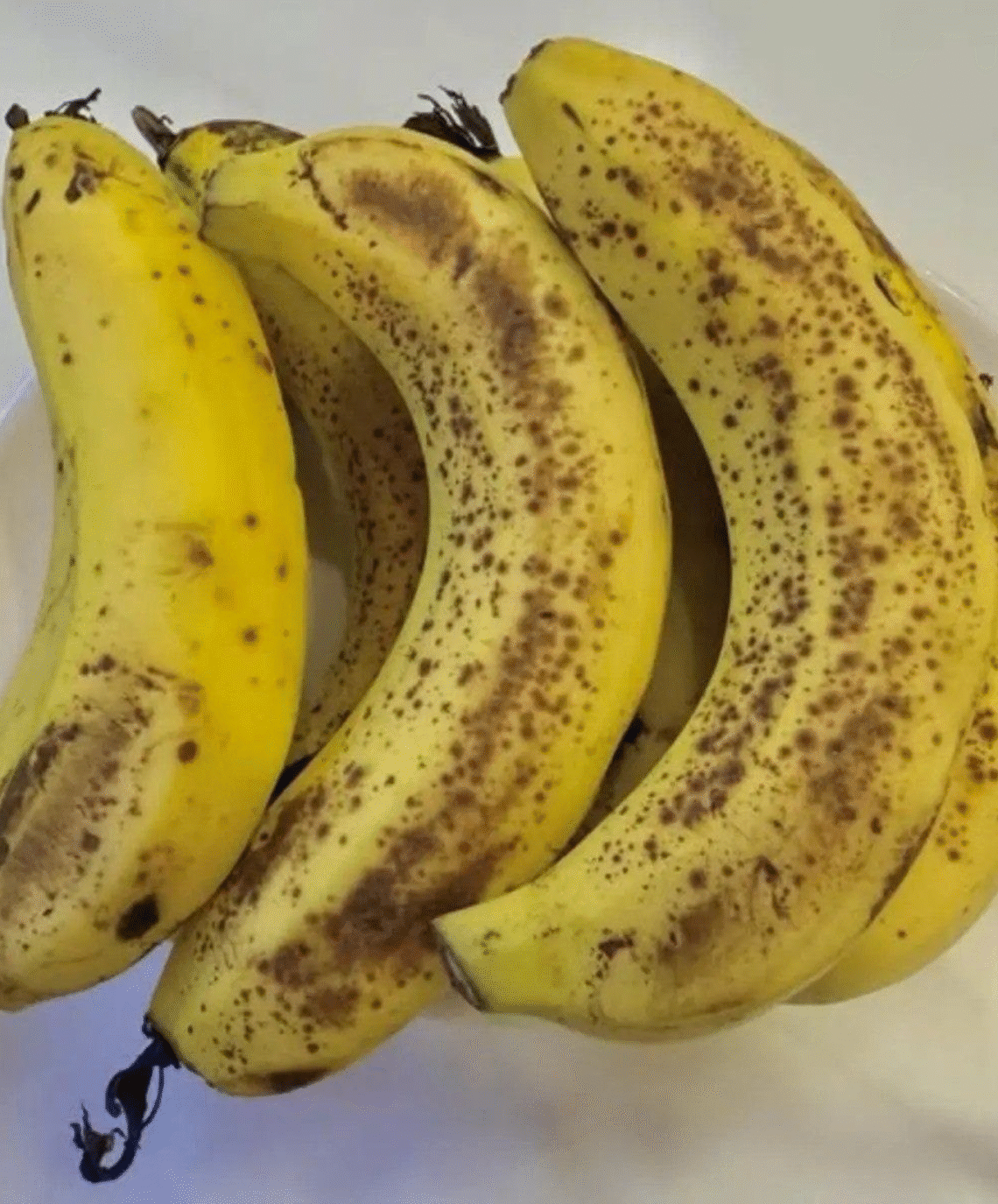
For something so simple, eating a banana before bed has become a surprisingly debated habit.
Some people say it helps them sleep better.
Others think it’s just a harmless snack.
And some worry it might affect digestion or weight.
So what does science actually say?
The truth is more nuanced than simple “good” or “bad.”
A banana before bed triggers a series of biological processes involving sleep hormones, digestion, blood sugar regulation, and brain chemistry.
Let’s break it down clearly.
1. Bananas and Sleep Chemistry
One of the most discussed effects of bananas is their relationship with sleep.
Bananas contain nutrients involved in the production of key sleep-related chemicals:
- Tryptophan (an amino acid)
- Vitamin B6
- Magnesium
- Natural carbohydrates
These compounds are linked to the production of:
- Serotonin (mood regulation)
- Melatonin (sleep hormone)
How this works in the body:
Tryptophan is converted into serotonin, which is then converted into melatonin. Melatonin helps regulate your sleep-wake cycle.
This is why some people feel more relaxed after eating a banana at night.
However, the effect is mild—not a sleeping pill effect.
2. Muscle Relaxation and Magnesium Effect
Bananas contain magnesium, a mineral involved in muscle and nerve function.
Magnesium helps:
- Relax muscles
- Calm the nervous system
- Reduce nighttime cramps
This is one reason bananas are sometimes recommended for people who experience:
- Leg cramps
- Restlessness at night
A relaxed body is more likely to transition into sleep smoothly.
3. Blood Sugar and Energy Stability
Bananas contain natural sugars (glucose, fructose, and sucrose), along with fiber.
When eaten before bed:
What happens:
- Blood sugar rises slightly
- Fiber slows digestion
- Energy release becomes gradual
For most healthy individuals, this results in:
- Stable energy
- No sharp spikes
However, timing matters.
If eaten in large quantities or very late at night, it may:
- Slightly stimulate metabolism
- Delay deep sleep in sensitive individuals
But for most people, one banana is metabolically mild.
4. Digestion During Sleep
Your digestive system does not shut down at night—it slows.
A banana is:
- Easy to digest
- Low in fat
- Moderate in fiber
This means:
- It passes through the stomach relatively easily
- It does not heavily burden digestion
However, fiber still plays a role:
- It supports gut activity overnight
- It may slightly increase digestive movement in some people
This is why bananas are generally considered a “light” nighttime snack.
5. Effect on Sleep Quality
Research on foods and sleep suggests:
Potential benefits:
- Slight improvement in sleep onset (falling asleep faster)
- Increased relaxation
- Reduced nighttime muscle tension
Possible limitations:
- No strong sedative effect
- Individual response varies
Some people report better sleep quality, while others notice no difference at all.
The effect is subtle and indirect.
6. Brain Function and Night Recovery
During sleep, the brain performs important recovery processes:
- Memory consolidation
- Emotional processing
- Neural repair
Bananas provide nutrients that support these processes indirectly:
- Vitamin B6 supports neurotransmitter function
- Carbohydrates help serotonin production
- Magnesium supports neural relaxation
This does not “enhance” sleep dramatically—but it supports normal brain recovery conditions.
7. Weight and Metabolism Considerations
A common concern is whether eating a banana before bed leads to weight gain.
Scientifically:
Weight gain is determined by total daily calorie balance—not timing alone.
A banana before bed:
- Contains moderate calories
- Provides natural sugars
- Has low fat
If it fits within daily intake, it does not cause weight gain.
However:
- Late-night overeating in general can affect metabolism patterns
- Habitual snacking without hunger may contribute to excess intake
So context matters more than the banana itself.
8. Who May Benefit Most
Eating a banana before bed may be most helpful for:
- People with mild sleep difficulty
- Those experiencing muscle cramps
- Individuals with low dietary magnesium
- People who need a light, non-heavy snack before sleep
It is especially useful as part of a calming nighttime routine.
9. Who Should Be More Careful
While generally safe, some individuals should monitor timing:
- People with blood sugar regulation issues (consultation recommended)
- Individuals sensitive to nighttime carbohydrates
- Those prone to acid reflux (in some cases)
Responses vary by body type and metabolism.
10. The Psychological Effect (Often Overlooked)
Beyond biology, there is also a psychological component.
Eating a banana before bed can become:
- A routine signal to the brain
- A “wind-down” habit
- A calming ritual
This conditioning effect can help the body associate the action with sleep preparation.
In many cases, this mental association is as important as the food itself.
11. So What Really Happens Overall?
When you eat a banana before bed, the body experiences:
✔ Mild serotonin and melatonin support
✔ Muscle relaxation via magnesium
✔ Slow, steady digestion
✔ Small energy release from natural sugars
✔ A calming psychological routine effect
But:
- It does not act as a sleep medication
- It does not dramatically change metabolism
- It works subtly and gradually

Welcome to my kitchen!
I’m a passionate home cook and recipe creator who loves turning simple ingredients into delicious, comforting meals that everyone can enjoy. Through this website, I share carefully prepared recipes, practical cooking tips, and easy-to-understand food education to help you feel more confident in the kitchen.
My goal is to make cooking simple, enjoyable, and accessible. Whether you are looking for a quick family dinner, a delicious dessert, healthy meal ideas, or traditional recipes with a modern touch, you’ll find inspiration here.
More Than Just Recipes
I believe that cooking is also a way to learn. That’s why this website is not only about recipes. I also create educational articles about ingredients, cooking techniques, kitchen tips, food preparation, and the stories behind different dishes.
Each article is designed to give you useful knowledge that you can apply in your own kitchen. From understanding how ingredients work together to learning better cooking methods, my aim is to help you become a more confident and creative cook.
My Philosophy
Good food doesn’t always require complicated ingredients or professional equipment. With a little knowledge, patience, and creativity, simple ingredients can become something truly special.
I believe in sharing recipes that are practical, clearly explained, and enjoyable to make. I also love exploring new flavors while appreciating traditional cooking and the recipes passed down through generations.
Thank you for visiting my kitchen and being part of this food-loving community. I hope my recipes and articles inspire you to cook, learn, experiment, and most importantly, enjoy every bite!
Happy cooking!