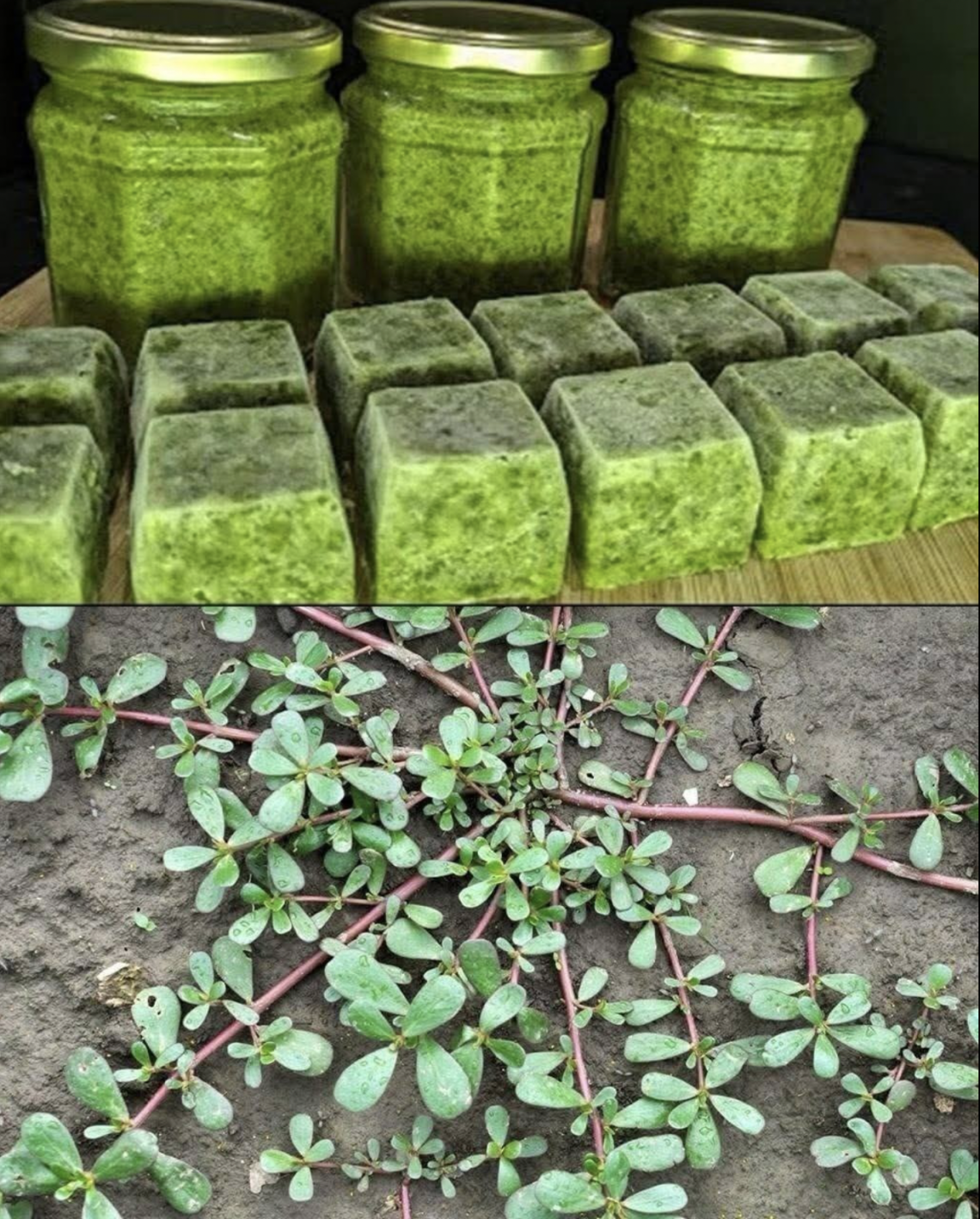
Purslane is one of those plants many people walk past without a second thought. It grows quietly in gardens, between sidewalk cracks, near vegetable beds, and in warm sunny soil around the world. Some people even consider it a weed and pull it out without realizing that this humble green plant has been valued for centuries as both food and traditional medicine.
In many cultures, purslane has long been appreciated for its:
- Fresh lemony flavor
- Nutrient density
- Versatility in cooking
- Remarkable resilience
Today, modern nutrition science has started paying closer attention to it because purslane contains an impressive combination of:
- Omega-3 fatty acids
- Antioxidants
- Vitamins
- Minerals
- Plant compounds associated with healthy aging
For adults over 60, foods like purslane may become especially valuable because aging changes how the body handles:
- Inflammation
- Muscle maintenance
- Bone health
- Heart function
- Digestion
- Oxidative stress
No single food can stop aging or prevent all disease, but nutrient-rich foods can support the body as it changes over time. Purslane is increasingly recognized as one of those foods.
So what actually happens when you eat purslane regularly—especially later in life?
What Is Purslane?
Purslane is a leafy succulent plant scientifically known as:
- Portulaca oleracea
It has:
- Small thick leaves
- Reddish stems
- A crisp juicy texture
Unlike many greens, purslane stores water inside its leaves, giving it a slightly crunchy texture similar to mild spinach mixed with cucumber.
Its flavor is often described as:
- Slightly tangy
- Lemony
- Fresh
- Mildly peppery
Why Purslane Is Nutritionally Unusual
Purslane stands out because it contains nutrients not commonly found together in one plant.
It is especially notable for containing:
- Plant-based omega-3 fatty acids
- Vitamin C
- Vitamin A
- Magnesium
- Potassium
- Iron
- Antioxidants
- Fiber
One of the most remarkable features is that purslane contains more omega-3 fatty acids than many other leafy vegetables.
1. Support for Heart Health
As people age, cardiovascular health becomes increasingly important.
The heart and blood vessels naturally undergo changes over time, and diet can play a supportive role in maintaining healthy circulation and function.
Omega-3 Fatty Acids and the Heart
Purslane contains alpha-linolenic acid (ALA), a plant-based omega-3 fatty acid.
Omega-3s are associated with:
- Supporting healthy blood vessels
- Helping regulate inflammation
- Supporting normal heart function
Although fish remains one of the richest omega-3 sources, purslane is unusual among vegetables for providing meaningful amounts of these fats.
Potassium and Blood Pressure Balance
Purslane also contains potassium, which helps:
- Balance sodium levels
- Support muscle and nerve function
- Maintain healthy blood pressure regulation
Many adults consume too much sodium and too little potassium, making potassium-rich foods valuable additions to the diet.
2. Anti-Inflammatory Effects
Inflammation becomes increasingly important with aging.
Low-grade chronic inflammation has been associated with many age-related conditions affecting:
- Joints
- Blood vessels
- Metabolism
- Cognitive health
Purslane contains antioxidants and plant compounds that may help support the body’s natural defense systems against oxidative stress.
What Is Oxidative Stress?
Oxidative stress occurs when unstable molecules called free radicals damage cells faster than the body can repair them.
Over time, oxidative stress is associated with:
- Aging processes
- Cellular wear and tear
- Inflammation-related health problems
Antioxidant-rich foods may help reduce some of this damage.
3. Bone and Muscle Support After 60
As adults age, preserving muscle and bone strength becomes increasingly important.
Purslane contains minerals involved in musculoskeletal health, including:
- Magnesium
- Calcium
- Potassium
Why Magnesium Matters
Magnesium supports:
- Muscle function
- Nerve signaling
- Bone structure
- Energy production
Many older adults do not consume enough magnesium consistently.
Calcium and Aging
Although dairy products are often emphasized for calcium, leafy plants can also contribute to calcium intake.
Calcium plays a role in:
- Bone maintenance
- Muscle contraction
- Nerve communication
4. Digestive Health and Fiber
Digestive changes are common with aging.
Some older adults experience:
- Slower digestion
- Constipation
- Changes in gut bacteria balance
Purslane contains dietary fiber, which may support:
- Digestive regularity
- Healthy bowel movements
- Gut health
Why Fiber Becomes More Important With Age
Fiber helps:
- Add bulk to stool
- Support beneficial gut bacteria
- Improve satiety
- Support metabolic health
Many adults consume less fiber than recommended.
5. Hydration Support
Because purslane is a succulent plant with high water content, it can contribute modestly to hydration.
Hydration becomes especially important after 60 because aging can reduce:
- Thirst sensation
- Water balance efficiency
Foods with high water content may help support overall hydration.
6. Potential Benefits for Skin and Healthy Aging
Purslane contains:
- Vitamin C
- Vitamin A
- Antioxidants
These nutrients are involved in:
- Skin maintenance
- Collagen production
- Cellular repair
While no food prevents wrinkles or aging completely, nutrient-rich vegetables support the body’s maintenance systems.
7. Eye Health Support
Vitamin A and carotenoid compounds in purslane may help support normal vision.
Eye health becomes increasingly important with aging because the eyes naturally undergo structural and functional changes over time.
8. Blood Sugar and Metabolic Health
Some research has explored purslane’s potential role in supporting metabolic health.
Its fiber and nutrient profile may help support:
- Balanced digestion
- Satiety
- Stable eating patterns
However, it should not be viewed as a replacement for medical treatment.
Why Traditional Cultures Valued Purslane
Historically, purslane appeared in many traditional cuisines because it was:
- Easy to grow
- Hardy
- Nutritious
- Refreshing in hot climates
It was often added to:
- Soups
- Salads
- Stews
- Yogurt dishes
- Herbal preparations
Many older generations recognized its value long before modern nutrition research studied it.
How to Eat Purslane
Purslane can be eaten:
- Raw
- Lightly cooked
- Sautéed
- Added to soups
- Mixed into salads
Its crisp texture works especially well in fresh dishes.
What Purslane Tastes Like
The flavor is:
- Mildly tangy
- Slightly citrus-like
- Fresh and green
The stems remain pleasantly crunchy.
Important Safety Note: Proper Identification Matters
One very important caution:
Purslane should only be eaten if correctly identified.
Some plants may resemble purslane but are not edible.
Anyone foraging should ensure accurate identification before consuming wild plants.
Oxalates and Kidney Stone Considerations
Purslane contains oxalates, natural compounds found in many healthy plants.
People prone to certain types of kidney stones may need to moderate high-oxalate foods.
This does not mean purslane is harmful for most people, but individual health conditions matter.
Moderation Is Still Important
Even healthy foods work best as part of a balanced diet.
Eating purslane daily in moderate amounts may complement:
- Fruits
- Vegetables
- Protein sources
- Whole grains
- Healthy fats
Variety remains essential for long-term nutrition.
Why Purslane Is Gaining Attention Again
Modern interest in purslane reflects broader trends toward:
- Traditional foods
- Plant-based nutrition
- Sustainable eating
- Nutrient-dense vegetables
Many people are rediscovering overlooked foods that previous generations considered normal parts of everyday eating.
The Bigger Lesson About Aging and Nutrition
After 60, nutrition becomes less about extreme dieting and more about supporting:
- Strength
- Mobility
- Energy
- Cognitive function
- Long-term resilience
Simple whole foods often matter more than expensive “superfood” marketing trends.
Purslane fits into this category:
A humble, nutrient-rich plant with surprising nutritional value.

Welcome to my kitchen!
I’m a passionate home cook and recipe creator who loves turning simple ingredients into delicious, comforting meals that everyone can enjoy. Through this website, I share carefully prepared recipes, practical cooking tips, and easy-to-understand food education to help you feel more confident in the kitchen.
My goal is to make cooking simple, enjoyable, and accessible. Whether you are looking for a quick family dinner, a delicious dessert, healthy meal ideas, or traditional recipes with a modern touch, you’ll find inspiration here.
More Than Just Recipes
I believe that cooking is also a way to learn. That’s why this website is not only about recipes. I also create educational articles about ingredients, cooking techniques, kitchen tips, food preparation, and the stories behind different dishes.
Each article is designed to give you useful knowledge that you can apply in your own kitchen. From understanding how ingredients work together to learning better cooking methods, my aim is to help you become a more confident and creative cook.
My Philosophy
Good food doesn’t always require complicated ingredients or professional equipment. With a little knowledge, patience, and creativity, simple ingredients can become something truly special.
I believe in sharing recipes that are practical, clearly explained, and enjoyable to make. I also love exploring new flavors while appreciating traditional cooking and the recipes passed down through generations.
Thank you for visiting my kitchen and being part of this food-loving community. I hope my recipes and articles inspire you to cook, learn, experiment, and most importantly, enjoy every bite!
Happy cooking!