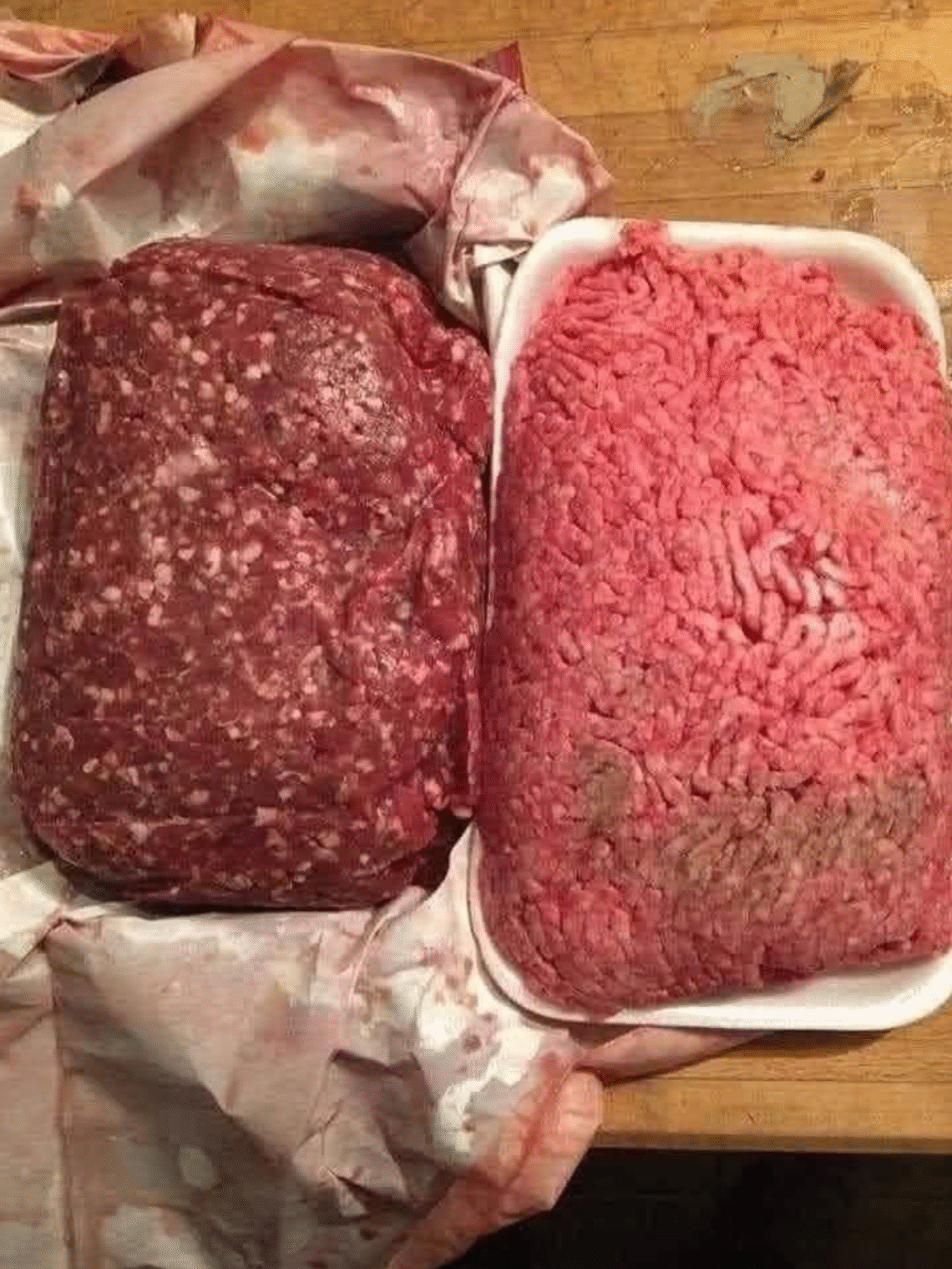
Choosing the food that ends up on your table is one of the most personal decisions you make each day. It is shaped by taste, health concerns, budget, habits, and memories. For many older adults—especially those who grew up close to the land, remember family farms, or relied on trusted local butchers—the question of store-bought versus farm-raised beefgoes far beyond convenience. It is about quality, flavor, trust, and values.
At first glance, beef is beef. It looks similar on the plate, cooks in familiar ways, and provides protein the body needs. But the path that meat takes from animal to table can be very different—and those differences matter more than most people realize.
What “Store-Bought Beef” Usually Means
Store-bought beef typically comes from large-scale commercial operations. These systems are designed to produce meat efficiently, consistently, and in large quantities to supply supermarkets year-round.
How Store-Bought Beef Is Raised
Most store-bought beef comes from cattle that:
- Spend part of their lives on pasture
- Are later moved to feedlots
- Are fed grain-based diets to promote rapid weight gain
- Are processed in large facilities designed for volume
This system allows supermarkets to offer beef at predictable prices with uniform cuts and appearance. From a supply perspective, it is efficient and reliable.
Advantages of Store-Bought Beef
There are real benefits to this system:
- Widely available year-round
- Generally more affordable
- Consistent in size and cut
- Regulated for food safety standards
For many households, store-bought beef is practical and accessible, especially in urban areas.
Common Concerns With Store-Bought Beef
However, some consumers express concerns, including:
- Less distinctive flavor
- Meat that can be lean but less tender
- Limited information about how the animal was raised
- Use of grain-heavy diets instead of natural grazing
While not all store-bought beef is the same, these concerns have contributed to growing interest in alternatives.
What “Farm-Raised Beef” Really Refers To
Farm-raised beef usually comes from small or medium-scale farms, where cattle are raised with closer human oversight and often under more traditional methods.
How Farm-Raised Beef Is Typically Raised
While practices vary, farm-raised cattle are often:
- Raised primarily on pasture
- Fed grass or forage-based diets
- Given more space to move naturally
- Raised more slowly, allowing muscles to develop fully
In many cases, farmers can tell you exactly:
- What the cattle ate
- How long they were raised
- How they were cared for
- When and where they were processed
This transparency is a major reason people seek out farm-raised beef.
Flavor: One of the Most Noticeable Differences
Taste is where many people notice the difference immediately.
Store-Bought Beef Flavor
Store-bought beef often has:
- Mild, neutral flavor
- Predictable texture
- Less variation between cuts
This appeals to people who prefer consistency and familiarity.
Farm-Raised Beef Flavor
Farm-raised beef often has:
- Deeper, richer flavor
- Slightly firmer texture
- More noticeable “beefy” taste
Grass-fed or pasture-raised beef reflects the animal’s natural diet, which can influence flavor in a way similar to how wine reflects the land it comes from.
Nutritional Differences
While beef is nutritious in general, the way cattle are raised can affect nutrient composition.
Farm-Raised Beef Often Contains:
- Higher levels of omega-3 fatty acids
- More conjugated linoleic acid (CLA)
- Slightly higher vitamin content in some cases
These differences are subtle but meaningful for people focused on long-term health.
Store-Bought Beef Nutrition
Store-bought beef still provides:
- High-quality protein
- Iron and zinc
- B vitamins
For many people, it remains a valuable source of nutrition, especially when consumed in moderation.
Texture and Cooking Differences
Farm-raised beef, especially grass-fed, can be:
- Leaner
- Slightly firmer
- Less forgiving if overcooked
This means it benefits from:
- Lower cooking temperatures
- Shorter cooking times
- Resting after cooking
Store-bought beef, with more consistent fat distribution, often tolerates higher heat and longer cooking.
Animal Welfare and Ethical Considerations
For many older adults, food choices are connected to values learned early in life.
Farm-Raised Beef Appeals Because:
- Animals are often raised in less crowded conditions
- Farmers are directly responsible for animal care
- Practices are more transparent
There is a sense of personal responsibility and stewardship that resonates with people who remember traditional farming.
Environmental Considerations
Small farms often emphasize:
- Sustainable grazing practices
- Soil health
- Reduced reliance on industrial feed systems
Large-scale operations, while efficient, can have larger environmental footprints due to feed production and transport.
Cost: A Practical Reality
Farm-raised beef is often more expensive. This reflects:
- Slower growth rates
- Higher labor costs
- Smaller production scale
Many people who choose farm-raised beef:
- Buy smaller portions
- Eat beef less frequently
- Value quality over quantity
For them, the cost feels justified.
Trust and Connection
One of the most overlooked differences is trust.
Buying farm-raised beef often means:
- Knowing the farmer
- Understanding how the animal lived
- Feeling confident about the product’s origin
For people who grew up in farming communities, this connection brings peace of mind that no label can replace.
Which Is Better?
There is no single correct answer.
- Store-bought beef offers affordability and convenience.
- Farm-raised beef offers transparency, flavor, and tradition.
The best choice depends on:
- Budget
- Availability
- Personal values
- Health priorities
Many people choose a balance—buying store-bought beef regularly and reserving farm-raised beef for special meals.
Final Thoughts
The difference between store-bought and farm-raised beef is not just about meat. It reflects how food is produced, how animals are treated, and how much we value knowing where our food comes from.
For those who remember a time when food had a face, a farm, and a story, farm-raised beef feels like a return to something familiar. For others, store-bought beef remains a reliable part of everyday life.