A Kitchen Debate About Fat, Flavor, and Food Safety
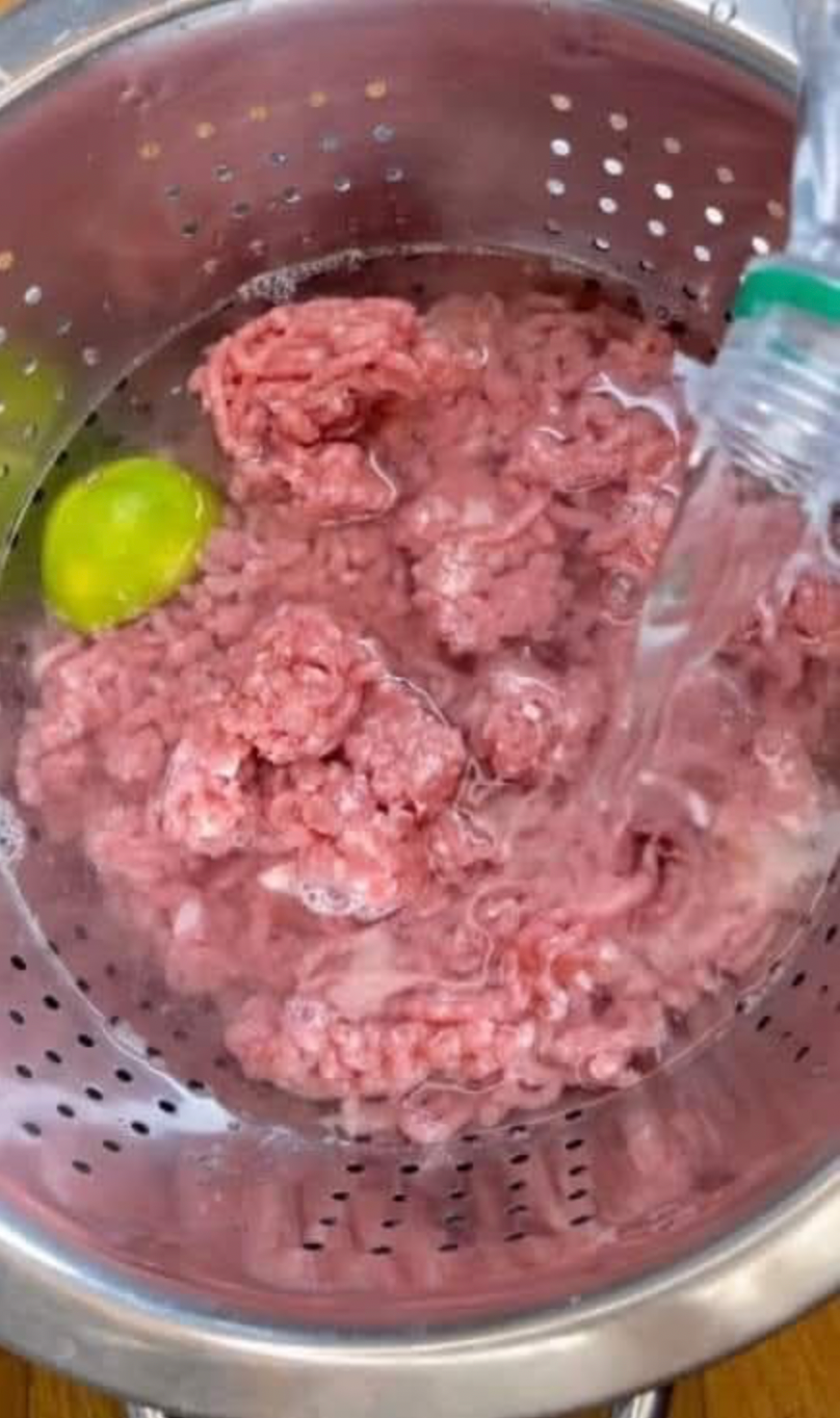
When it comes to cooking with ground beef, there is a long-standing debate among home cooks, professional chefs, and even families across generations: Should ground beef be washed before cooking, or should it go straight into the pan?
For some people, washing meat feels instinctive—an extra step toward cleanliness and safety. For others, the idea sounds unnecessary or even harmful. This disagreement has persisted for decades, often passed down through family habits rather than clear explanations.
To truly understand the issue, it helps to look at what ground beef is, how bacteria behave, what washing actually does, and why food safety professionals almost universally advise against it.
Why Some People Wash Ground Beef in the First Place
The habit of washing meat usually comes from good intentions.
People who wash ground beef often believe it:
Removes bacteria
Rinses away blood or residue
Reduces fat content
Makes the meat “cleaner” before cooking
In some households, washing meat was taught as basic kitchen hygiene, especially in times when refrigeration and meat processing standards were less reliable.
But modern food safety science tells a very different story.
What Ground Beef Really Is
Ground beef is not a single piece of meat—it is many small pieces of muscle combined together. This matters because bacteria behave differently on ground meat than on whole cuts.
Key Difference Between Whole Cuts and Ground Beef
On whole cuts (like steak), bacteria usually remain on the surface.
In ground beef, bacteria can be mixed throughout the meat during grinding.
That means rinsing the surface cannot remove bacteria that are already inside the meat.
What Actually Happens When You Wash Ground Beef
1. Washing Does NOT Remove Harmful Bacteria
Food safety experts explain that bacteria such as E. coli and Salmonella cling tightly to meat surfaces. A quick rinse under water does not remove them.
The only reliable way to kill these bacteria is:
Proper cooking to the correct internal temperature
Water alone cannot do what heat does.
2. Washing Spreads Bacteria Around Your Kitchen
This is the most serious concern.
When you rinse ground beef in the sink:
Water splashes onto countertops
Bacteria can spread to utensils, dishes, and hands
The sink itself becomes contaminated
This process is called cross-contamination, and it is one of the leading causes of foodborne illness in home kitchens.
Ironically, trying to make meat safer can make the kitchen less safe.
3. Washing Reduces Flavor and Texture
Ground beef contains natural juices, proteins, and fats that contribute to:
Flavor
Juiciness
Proper browning
Washing ground beef:
Rinses away flavorful juices
Makes browning more difficult
Can lead to dry, bland meat
This is why chefs strongly oppose washing ground beef—it works against good cooking.
The Fat Question: Does Washing Reduce Fat?
Some people rinse ground beef to remove excess fat.
While it may slightly reduce surface fat, it also:
Removes flavor
Alters texture
Does not significantly change nutritional value
A better approach is to:
Choose leaner ground beef
Drain fat after cooking
Blot cooked meat gently if needed
This preserves flavor while managing fat content more effectively.
What Doctors and Food Safety Experts Recommend
Health organizations consistently agree on this point:
Do not wash ground beef before cooking.
Instead, they recommend:
Cooking ground beef thoroughly
Washing hands before and after handling raw meat
Cleaning surfaces and utensils immediately
Avoiding contact between raw meat and ready-to-eat foods
Proper cooking—not washing—is what makes ground beef safe.
The Correct Way to Make Ground Beef Safe
Step 1: Handle It Carefully
Keep it refrigerated
Use it promptly
Avoid unnecessary handling
Step 2: Cook It Thoroughly
Ground beef should be cooked until:
No pink remains
Juices run clear
Internal temperature reaches safe levels
This heat destroys harmful bacteria completely.
Step 3: Drain Excess Fat After Cooking
If fat is a concern:
Drain it from the pan
Use a paper towel to absorb excess grease
This keeps flavor while improving texture.
Cultural and Generational Differences
It’s important to recognize that cooking habits are often shaped by:
Family traditions
Past food safety conditions
Cultural practices
In earlier times, washing meat sometimes made sense due to inconsistent processing and storage. Today’s meat handling standards and refrigeration systems make that step unnecessary—and unsafe.
Understanding this context helps explain why the debate still exists.
Final Verdict: Wash or Don’t Wash?
From a food safety and cooking perspective, the answer is clear:
Do not wash ground beef before cooking.
Washing does not remove bacteria, increases the risk of spreading germs, and reduces flavor and texture. Proper cooking and good kitchen hygiene are what truly protect you and your family.
Final Thoughts
The kitchen debate around washing ground beef is rooted in care and caution—but modern science shows that heat, not water, is what makes meat safe. By skipping the rinse and focusing on proper cooking and cleanliness, you protect both your health and the quality of your food.
Sometimes, doing less in the kitchen is actually doing things right.

Welcome to my kitchen!
I’m a passionate home cook and recipe creator who loves turning simple ingredients into delicious, comforting meals that everyone can enjoy. Through this website, I share carefully prepared recipes, practical cooking tips, and easy-to-understand food education to help you feel more confident in the kitchen.
My goal is to make cooking simple, enjoyable, and accessible. Whether you are looking for a quick family dinner, a delicious dessert, healthy meal ideas, or traditional recipes with a modern touch, you’ll find inspiration here.
More Than Just Recipes
I believe that cooking is also a way to learn. That’s why this website is not only about recipes. I also create educational articles about ingredients, cooking techniques, kitchen tips, food preparation, and the stories behind different dishes.
Each article is designed to give you useful knowledge that you can apply in your own kitchen. From understanding how ingredients work together to learning better cooking methods, my aim is to help you become a more confident and creative cook.
My Philosophy
Good food doesn’t always require complicated ingredients or professional equipment. With a little knowledge, patience, and creativity, simple ingredients can become something truly special.
I believe in sharing recipes that are practical, clearly explained, and enjoyable to make. I also love exploring new flavors while appreciating traditional cooking and the recipes passed down through generations.
Thank you for visiting my kitchen and being part of this food-loving community. I hope my recipes and articles inspire you to cook, learn, experiment, and most importantly, enjoy every bite!
Happy cooking!