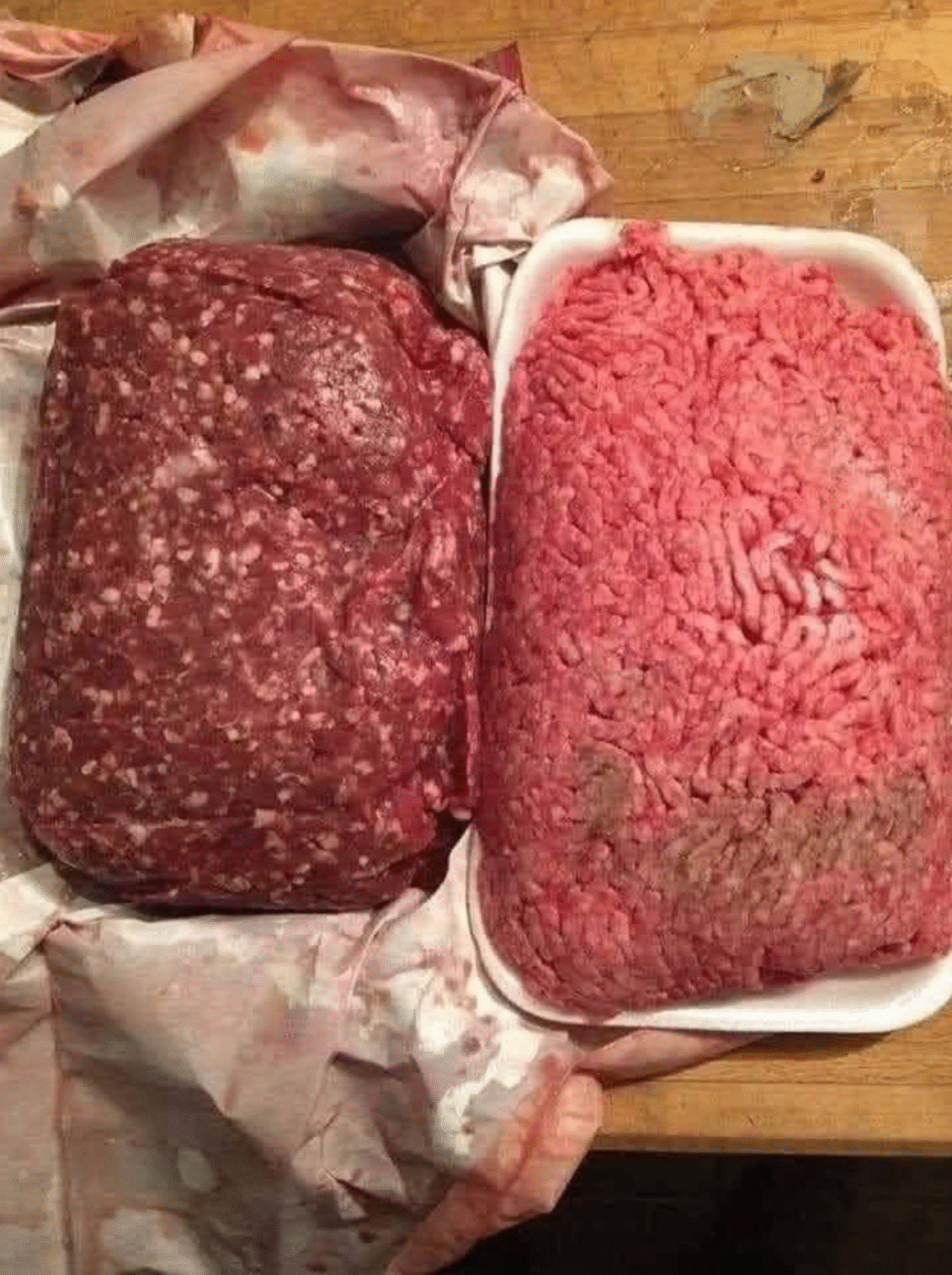
Beef is a cornerstone of diets around the world, celebrated for its rich flavor, high protein content, and versatility. But when it comes to choosing between store-bought beef and farm-raised beef, the decision is often more complicated than it seems. Labels, marketing claims, and varying standards can make the difference seem subtle, yet the realities of production, nutrition, and environmental impact are significant.
Understanding these differences can help consumers make healthier, more informed, and ethically sound choices for themselves and their families.
What We Mean by Store-Bought vs. Farm-Raised Beef
Store-Bought Beef
Store-bought beef generally refers to meat found in supermarkets, big-box retailers, or packaged in grocery stores. This meat often comes from large-scale, industrial production facilities and may be labeled as:
- Conventional or commodity beef
- USDA Choice or Select
- Grass-fed or grain-fed (sometimes, depending on the brand)
Characteristics of store-bought beef include:
- Consistency: Uniform cuts and marbling for predictable cooking results.
- Processing: Often pre-packaged, sometimes pre-seasoned, or treated for shelf-life preservation.
- Sourcing: Beef may come from multiple farms, processed at large-scale facilities, and distributed nationwide.
While convenient, some critics argue that this beef can lack transparency, and its production methods may involve practices such as feedlot finishing, use of growth hormones, or antibiotics (though regulations vary).
Farm-Raised Beef
Farm-raised beef typically refers to meat sourced from smaller, often family-owned farms where cattle are raised in a more controlled, holistic environment. Characteristics include:
- Pasture-raised or grass-fed diets: Animals often graze on natural pastures for a significant portion of their lives.
- Closer oversight: Farmers tend to have direct knowledge of each animal’s health, diet, and environment.
- Smaller scale: Production is usually local or regional, leading to shorter supply chains and potentially fresher meat.
- Ethical practices: Farmers may avoid growth hormones or unnecessary antibiotics and prioritize humane treatment.
Farm-raised beef is often marketed as higher quality, with claims about flavor, texture, and nutritional benefits.
Nutritional Differences
Nutrition is one of the main reasons consumers seek farm-raised beef. Here’s what research and analysis suggest:
- Omega-3 fatty acids: Grass-fed and pasture-raised beef often contains higher levels of omega-3s, which support heart and brain health.
- Conjugated linoleic acid (CLA): Farm-raised beef from grass-fed cows has more CLA, a type of fat linked to potential anti-inflammatory and anti-cancer benefits.
- Vitamins and minerals: Pasture-raised beef can have higher levels of vitamin E, vitamin A, and antioxidants compared to grain-fed beef.
- Fat content: Store-bought beef, especially grain-finished beef, may have higher total fat and a different ratio of omega-6 to omega-3 fatty acids.
That said, differences can vary depending on breed, feed, farm practices, and animal age. Not all farm-raised beef is nutritionally superior, and not all supermarket beef is nutritionally poor.
Flavor and Cooking Differences
Many food enthusiasts claim farm-raised beef tastes different:
- Grass-fed beef: Often described as earthy, rich, and slightly “gamey,” with a more robust beef flavor.
- Grain-fed beef: Typically milder, more marbled, and buttery, making it popular for steaks and burgers.
- Texture: Farm-raised beef may be leaner and less uniform, which can influence cooking times and tenderness.
Cooking farm-raised beef may require slightly different techniques, such as lower heat and careful monitoring, to avoid overcooking leaner cuts.
Environmental and Ethical Considerations
Choosing between store-bought and farm-raised beef also involves environmental and ethical factors:
Environmental Impact
- Large-scale, industrial beef production often involves high greenhouse gas emissions, deforestation for feed crops, and concentrated waste management issues.
- Well-managed, pasture-based farms can reduce environmental strain, promote soil health, and support biodiversity, though local scale matters.
Animal Welfare
- Farm-raised beef often prioritizes more natural living conditions, rotational grazing, and humane treatment, whereas industrial feedlots may involve confinement and limited outdoor access.
Cost and Accessibility
- Store-bought beef: More affordable, widely available, and convenient, making it accessible to most households.
- Farm-raised beef: Usually more expensive due to smaller scale, higher feed costs, and more labor-intensive practices. Access may also be limited in urban areas unless purchasing from local farms or farmers’ markets.
Making the Right Choice for You
When deciding between store-bought and farm-raised beef, consider:
- Budget: Can you afford the higher cost of farm-raised beef regularly, or reserve it for special occasions?
- Health priorities: Are you seeking higher omega-3 content or leaner meat?
- Flavor preference: Do you prefer the rich, bold taste of grass-fed beef or the milder marbled taste of grain-fed beef?
- Ethics and sustainability: Do environmental impact and animal welfare influence your purchase decisions?
- Convenience: Is your priority access to standardized, pre-packaged cuts that cook predictably?
Key Takeaways
- Store-bought beef is convenient, consistent, and widely available, but its production is often industrial and may involve grain finishing or additives.
- Farm-raised beef often emphasizes natural grazing, humane treatment, and nutrient density, though cost and availability may be limiting factors.
- Nutritional differences exist, particularly in fat composition and omega-3 content, but cooking methods and animal genetics also play a role.
- Flavor, texture, and personal values (ethical, environmental, or cultural) often guide the choice as much as nutrition.
Ultimately, the “best” beef depends on your priorities, lifestyle, and budget. By understanding the full story behind the meat, you can make choices that align with both your health and values.