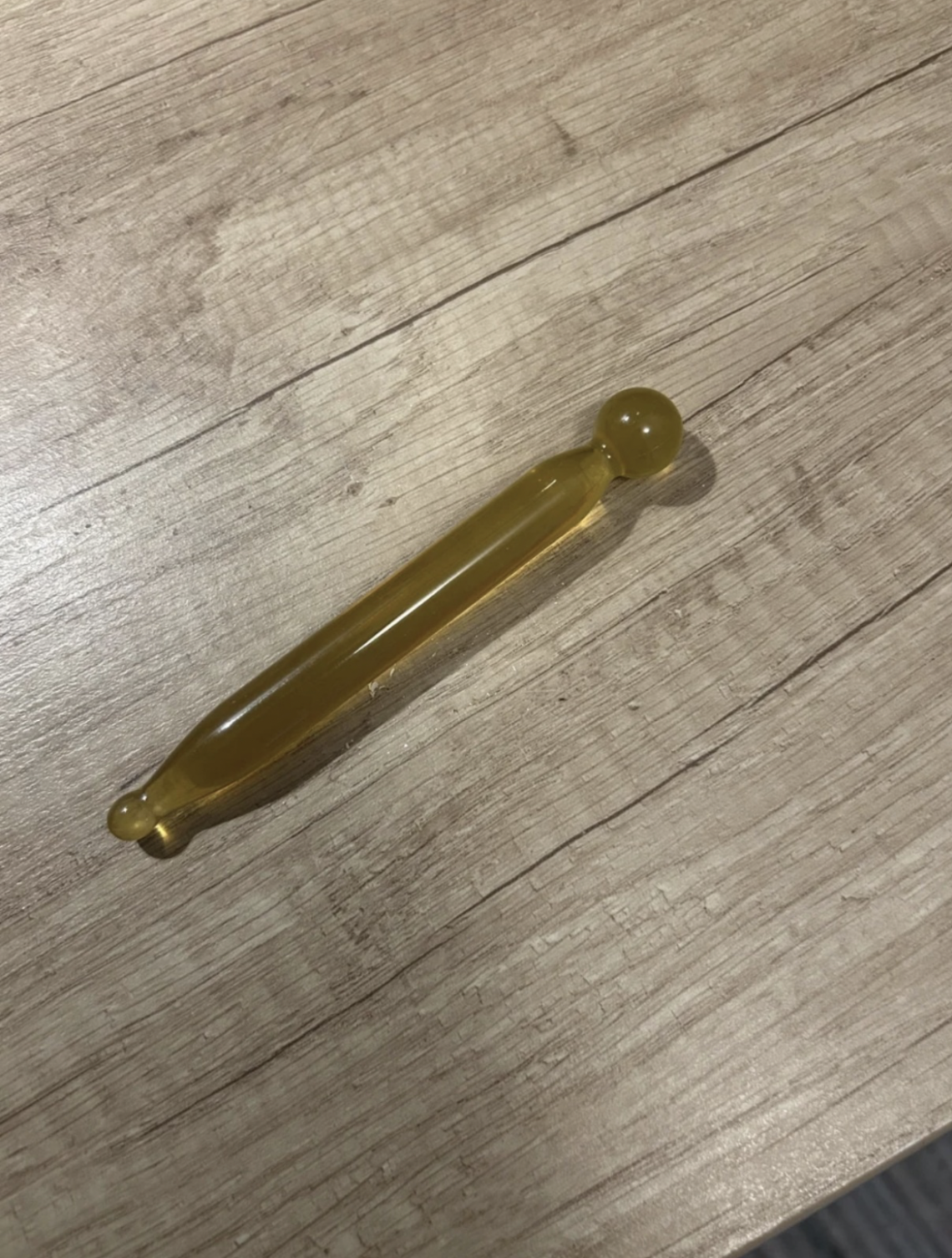
At first glance, it does not look like much. A smooth, often amber-colored stick—sometimes slightly curved, sometimes perfectly straight—rolled slowly under the foot. No electronics, no batteries, no complicated instructions. Just a simple object and a repetitive motion.
And yet, for many people—nurses finishing long shifts, teachers standing all day, runners pushing their limits—this resin foot massage stick has become a quiet essential.
It is one of those tools that seems almost too simple to be effective… until you try it.
What Is a Resin Foot Massage Stick?
A resin foot massage stick (also called a foot roller or acupressure stick) is a handheld or floor-based tool designed to massage the sole of the foot through rolling pressure.
It is typically made from:
- Smooth resin or plastic
- Wood (in some variations)
- Occasionally textured surfaces for deeper stimulation
Its design allows you to:
- Place it on the floor
- Roll your foot back and forth over it
- Apply pressure naturally using your body weight
No special technique is required. The simplicity is part of its effectiveness.
Why the Foot Needs This Kind of Care
Your feet carry your entire body weight every day. Over time, this leads to:
- Muscle fatigue
- Tight connective tissue
- Reduced circulation
- Accumulated tension
One of the most important structures in the foot is the plantar fascia, a thick band of tissue that runs along the bottom of the foot. When this area becomes strained or inflamed, it can lead to discomfort known as plantar fasciitis.
This is where rolling massage tools come in—they target exactly these stressed areas.
How the Resin Foot Stick Actually Works
Despite its simplicity, the mechanism behind it is grounded in basic physiology.
1. Pressure and Release
As you roll your foot over the stick, it applies controlled pressure to muscles and connective tissue. This helps:
- Release tight spots
- Reduce stiffness
- Improve flexibility
2. Improved Circulation
The rolling motion stimulates blood flow in the foot, which can:
- Deliver oxygen to tired tissues
- Reduce the feeling of heaviness
- Support recovery after long periods of standing
3. Nerve Stimulation
The soles of the feet contain many nerve endings. Gentle stimulation can:
- Create a relaxing sensation
- Reduce perceived discomfort
- Improve overall foot awareness
4. Fascia Relaxation
Rolling helps loosen the plantar fascia, which may:
- Reduce tension buildup
- Ease discomfort over time
- Improve mobility
What People Commonly Experience
Many users report:
- Noticeable relief after long days on their feet
- Reduced morning stiffness
- A calming, almost soothing sensation
- Better comfort when walking or standing
For some, it becomes part of a daily routine—like brushing teeth, but for foot care.
Who Benefits the Most
This tool is especially useful for:
- People who stand for long hours (teachers, nurses, retail workers)
- Athletes and runners
- Individuals with mild foot fatigue or tightness
- Anyone looking for simple, at-home relief
It is not limited to a specific group—it is broadly accessible.
How to Use It Properly
Using a resin foot massage stick is simple, but a few details make it more effective.
Basic Method:
- Place the stick on the floor
- Sit or stand comfortably
- Roll your foot slowly back and forth
- Adjust pressure based on comfort
Duration:
- 5–10 minutes per foot is usually enough
Best Times to Use:
- After a long day
- Before bed
- After exercise
- In the morning for stiffness
Tips for Better Results
- Start with light pressure, then increase gradually
- Focus on the arch and heel areas
- Breathe and relax while using it
- Use consistently rather than occasionally
Consistency matters more than intensity.
Does It Replace Medical Treatment?
No—and this is important.
While a foot massage stick can provide relief, it is not a cure for serious conditions.
If you have:
- Severe or persistent pain
- Diagnosed foot conditions
- Difficulty walking
You should consult a healthcare professional.
This tool works best as a supportive method, not a replacement for medical care.
Why It Feels So Effective
Part of its appeal comes from the combination of:
- Immediate sensory feedback
- Gentle mechanical pressure
- Relaxation response
Unlike complicated devices, it gives you direct control over pressure and movement, making it intuitive and adaptable.
Common Misconceptions
“It’s just a piece of plastic”
Technically true—but its effectiveness comes from how it is used, not how complex it looks.
“It works instantly for everyone”
Relief varies. Some people feel it immediately, others need consistent use.
“More pressure means better results”
Too much pressure can cause discomfort. Controlled, moderate pressure works best.
Variations of the Tool
You may find different versions, including:
- Smooth resin sticks (gentle massage)
- Textured rollers (deeper stimulation)
- Wooden rollers with ridges
- Multi-wheel foot rollers
Each offers a slightly different experience, but the core principle remains the same.
Welcome to my kitchen!
I’m a passionate home cook and recipe creator who loves turning simple ingredients into delicious, comforting meals that everyone can enjoy. Through this website, I share carefully prepared recipes, practical cooking tips, and easy-to-understand food education to help you feel more confident in the kitchen.
My goal is to make cooking simple, enjoyable, and accessible. Whether you are looking for a quick family dinner, a delicious dessert, healthy meal ideas, or traditional recipes with a modern touch, you’ll find inspiration here.
More Than Just Recipes
I believe that cooking is also a way to learn. That’s why this website is not only about recipes. I also create educational articles about ingredients, cooking techniques, kitchen tips, food preparation, and the stories behind different dishes.
Each article is designed to give you useful knowledge that you can apply in your own kitchen. From understanding how ingredients work together to learning better cooking methods, my aim is to help you become a more confident and creative cook.
My Philosophy
Good food doesn’t always require complicated ingredients or professional equipment. With a little knowledge, patience, and creativity, simple ingredients can become something truly special.
I believe in sharing recipes that are practical, clearly explained, and enjoyable to make. I also love exploring new flavors while appreciating traditional cooking and the recipes passed down through generations.
Thank you for visiting my kitchen and being part of this food-loving community. I hope my recipes and articles inspire you to cook, learn, experiment, and most importantly, enjoy every bite!
Happy cooking!