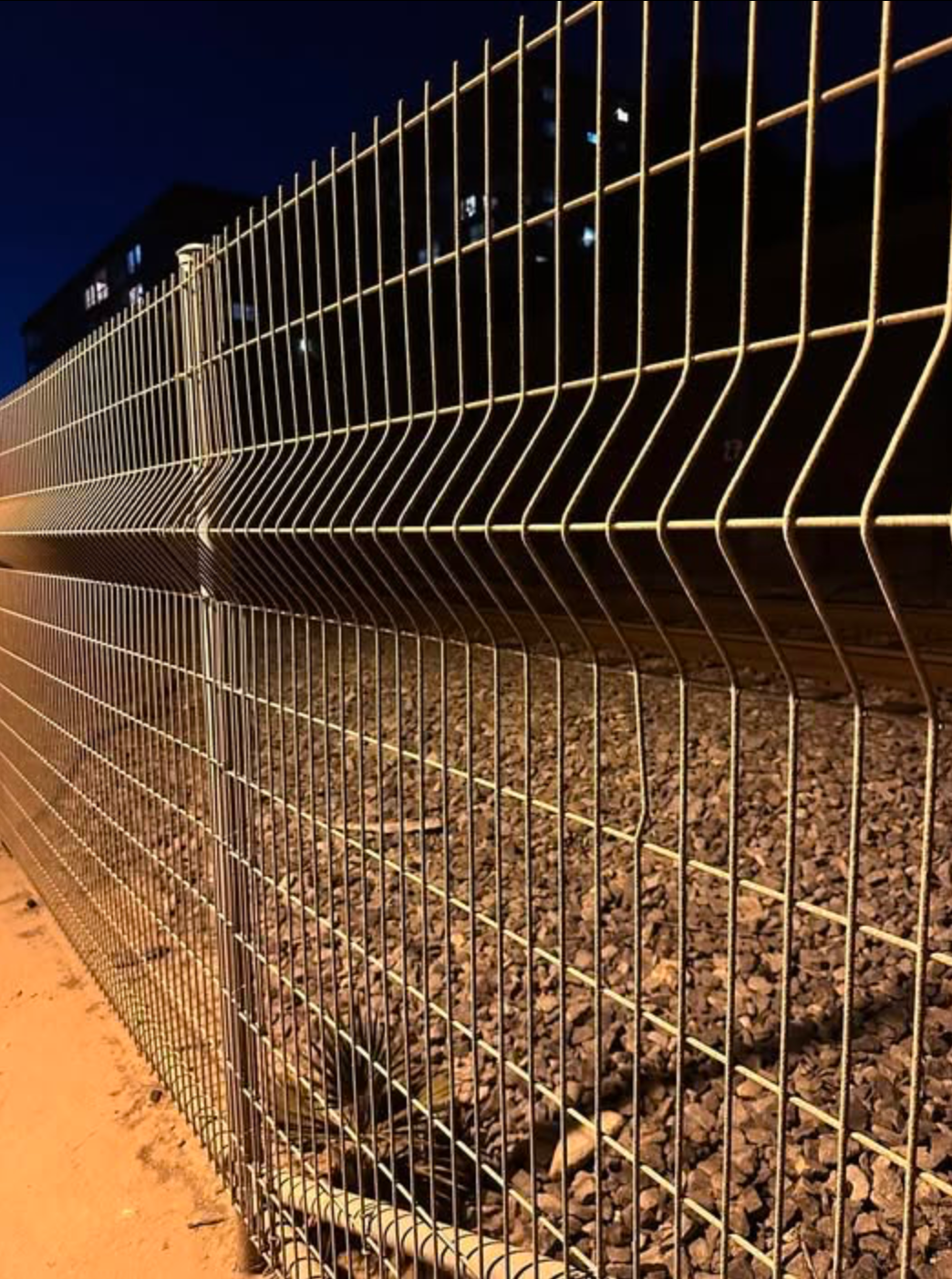
The “bent” fences along train tracks have become one of those quirky, seemingly unusual things that catch your attention once you notice them. They might look like something’s off—like maybe they’re made poorly, or the steel was bent by accident. But, in fact, there’s a very interesting reason why these fences are designed this way. It all started as a simple, practical solution and turned into something that fascinates many when they spot it. Here’s everything you need to know about why these train track fences often appear to be “bent.”
What Are These Bent Train Track Fences?
If you’ve ever been on a train ride or passed by a railway track, you might have noticed these strange, twisted, or “bent” fences that line the tracks. They’re most commonly found in places like the UK and parts of Europe but can also be seen in certain areas of the United States and other countries with extensive rail networks. These fences aren’t actually twisted or damaged by some sort of accident. They are intentionally designed that way for a very specific reason.
So, what’s going on?
The True Reason Behind the “Bent” Fences
They’re for Train Safety:
The primary reason these fences are designed to appear bent has to do with safety. Trains are massive, high-speed machines, and when they pass through areas that are near residential or urban spaces, they can create a serious risk for people. The fences are often used as barriers between the tracks and pedestrians or vehicles. However, there’s a catch: it’s not just about keeping people out of the way.
The “bent” design is actually a safety feature intended to prevent anyone from climbing over the fence easily. These fences aren’t just barriers—they’re also obstacles that can slow down someone attempting to cross them.
By creating curves and bends in the design, it makes it harder to simply hop over. The irregular shape makes climbing more challenging, thus deterring trespassers who might otherwise try to cross into dangerous territory.
Railway Property Protection:
The unique design serves a practical purpose when it comes to protecting railway property. Train tracks and rail yards are dangerous environments, with moving trains, high voltage, and other potential hazards. The bent shape discourages people from wandering too close to the tracks, keeping them safe and preventing accidents. This design is often used in areas where security is a concern, such as near rail depots or more vulnerable locations where people could accidentally wander into the danger zone.
Wind Resistance:
Another factor that influences the design of these fences is wind resistance. Since these fences are often located in open areas, like fields or along tracks where there’s less natural obstruction, the fences must be built to withstand strong winds. A flat fence can create a lot of resistance when the wind blows, which can weaken the structure over time. The bent or twisted design can reduce the wind load by allowing the wind to pass through the gaps between the fence’s curves and bends. This ensures that the fence is more durable in the long run and requires less maintenance.
Aesthetic and Industrial Look:
The bent fences have also taken on a sort of aesthetic appeal. While they might have started out purely for practical reasons, over time, they’ve become a symbol of the industrial landscape. The unique, jagged, and almost artistic form has become part of the character of railways in some areas, especially in countries with older rail networks. It’s an interesting juxtaposition between function and form, where the practicality of the design actually ends up giving a bit of flair to the environment around the tracks.
The Historical Origins of the Bent Fences
The origins of this unique design can be traced back to the early 20th century, during a time when rail travel was at its peak. Safety standards for train tracks and surrounding areas were being refined, and engineers and designers were looking for ways to create better protective barriers. Early versions of these fences were often just simple wire or metal barriers. But as train speeds increased and rail traffic became more common, designers realized that the conventional fence didn’t do enough to protect people from the dangers of crossing the tracks.
A solution was needed that was stronger and more difficult to scale. Bending the fences into unique shapes provided an effective deterrent while still being functional. This design gradually became more widespread in places where the potential for accidental trespassing was high, such as near towns or suburban areas. In many ways, these fences were an early attempt to combine safety and practicality with a touch of modern, industrial design.
Is It Just a “Lazy” Design?
Some people, after seeing these fences for the first time, might assume that they were just badly built or sloppily designed. But as we’ve seen, the bent appearance is anything but lazy. It’s a clever and purposeful design choice. The bends make the fence more challenging to climb and better at withstanding the elements, both of which are important considerations for keeping the area safe and secure.
In fact, the design has sparked curiosity, and many people are drawn to the fences because of their unusual appearance. There’s even a bit of fascination in spotting them, almost like a little secret only the most observant will notice. It’s kind of like finding hidden gems in everyday landscapes.
What Happens When You Spot One of These Fences?
Once you’ve seen one of these bent fences, you’ll likely start noticing them more often, especially in places near busy train tracks or industrial areas. They are designed to be functional, yes, but they also end up creating an intriguing visual element that can transform the way you look at an ordinary railway fence. It’s almost as though these fences are a silent guardian of the railways, doing their job while creating a little bit of quirky mystery around them.
Fun Fact: Why They’ve Become an Internet Obsession
Interestingly, these fences have become internet-famous in certain circles, especially within groups that enjoy noticing the little oddities of the world, like the Dull Men’s Club. People in these communities take joy in identifying mundane yet fascinating objects and practices, like these “bent” fences, and celebrating them for their unexpected beauty and hidden utility.
It’s almost like the internet’s version of a treasure hunt, where spotting a bent fence becomes an amusing and satisfying discovery. People love sharing photos of these fences, sometimes accompanied by explanations of their real purpose, adding a layer of fun trivia to the mix.
Conclusion: A Quirky Yet Functional Design
In the end, these train track fences that appear to be “bent” are actually an ingenious safety feature, a clever solution to an age-old problem. They prevent people from wandering into dangerous territory, stand up to the elements, and provide a bit of visual intrigue. So, the next time you spot one, instead of assuming it’s a mistake, you’ll know that it’s an example of thoughtful design that balances form and function.