The Curious Case of the Nail in the Onion:
A Forgotten Folk Remedy, Rediscovered
Picture this:
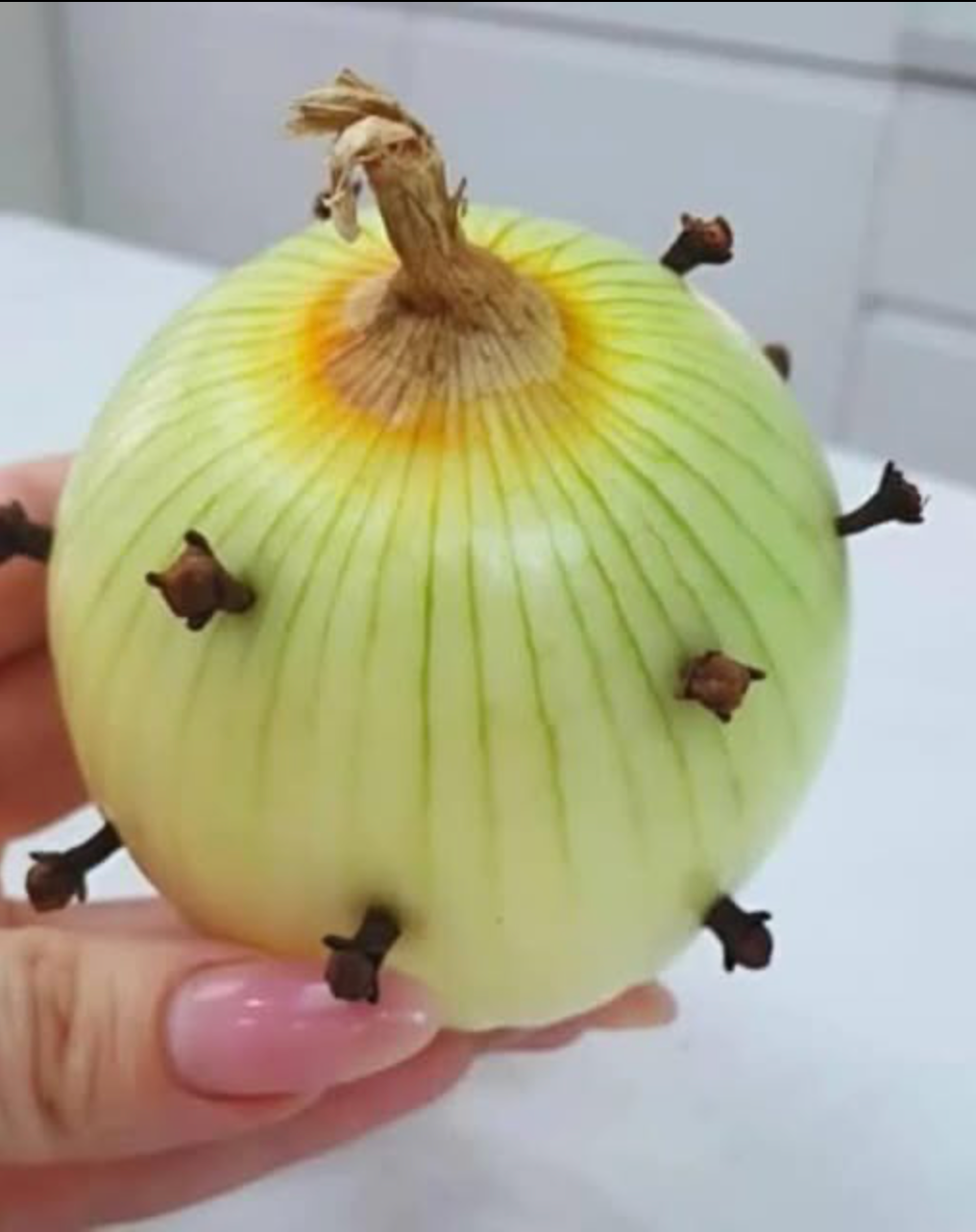
Your grandmother stands quietly in the kitchen. The air smells faintly of onions and warm oil. She peels a yellow onion with practiced hands, slices off the top—and then pauses. From a small drawer, she removes a plain iron nail. No rush. No explanation. She presses it gently into the center of the onion and sets it aside.
To a modern eye, the gesture looks strange. Maybe even superstitious.
But this simple act carries centuries of belief, observation, and practical kitchen wisdom.
This is not magic.
This is folk science—passed down long before laboratories, microscopes, or nutrition labels.
Where Did the “Nail in the Onion” Come From?
The practice of inserting an iron nail into an onion appears in European, Middle Eastern, and Eastern European folk traditions, particularly in rural communities where medicine was scarce and people relied heavily on household remedies.
These cultures shared three core beliefs:
Food is medicine
Metal interacts with plants
The body responds to balance, not force
Onions themselves were already considered powerful. Ancient civilizations—from the Egyptians to the Greeks—used onions for healing, preservation, and protection. They were believed to “draw out” illness, purify air, and strengthen the body.
Iron, meanwhile, symbolized strength, vitality, and blood. Long before people understood iron deficiency, they noticed something simple: people who consumed iron-rich foods or used iron cookware often seemed stronger and less fatigued.
The nail-in-onion method was born at the crossroads of these observations.
What Was the Remedy Supposed to Do?
Traditionally, the onion with the nail served multiple purposes, depending on the household and culture.
1. “Pulling Illness From the Air”
One widespread belief was that onions could absorb harmful elements from their surroundings. During times of sickness—especially colds, fevers, or outbreaks—an onion (sometimes with a nail) would be left in a room overnight.
By morning, if the onion smelled stronger or looked discolored, people believed it had “pulled in” illness.
While modern science doesn’t support the idea of onions absorbing disease, onions do release sulfur compounds that interact with air and bacteria—so the belief likely came from real sensory changes people observed.
2. Enriching the Onion With Iron
This is where folk wisdom and science overlap most clearly.
Iron nails—especially uncoated, old-fashioned ones—can slowly oxidize (rust) when exposed to moisture. Onions are moist and slightly acidic, creating the perfect environment for trace iron transfer.
Over time, tiny amounts of iron could leach into the onion.
For people who lacked iron-rich foods, this may have had a real, though small, nutritional benefit, especially when the onion was later cooked into soups or broths.
This mirrors why cast-iron cookware is still recommended today.
3. Supporting Colds and Coughs
Onions have long been used in remedies for respiratory discomfort. They contain sulfur compounds that can:
Irritate mucus membranes (which may loosen congestion)
Stimulate tears and nasal flow
Create warming sensations when cooked
In some traditions, the nail-in-onion was left overnight, then the onion was boiled or used in a syrup with honey. The iron symbolized strength; the onion provided warmth and pungency.
The relief likely came from steam, hydration, and soothing warmth, but the ritual itself also mattered.
Why the Nail Had to Be Iron
Not just any metal would do.
Iron was chosen because:
It was common and affordable
It rusted visibly (a sign of “interaction”)
It was associated with blood, strength, and vitality
People noticed that iron changed food—and that change felt meaningful. A rusted nail was seen not as dangerous, but as proof the remedy was “working.”
Was It Actually Safe?
In its historical context, yes—mostly.
But by modern standards:
Nails were not sterile
Iron amounts were uncontrolled
Hygiene knowledge was limited
Today, this practice is not recommended as a health treatment. Modern nutrition and medicine provide safer, more reliable ways to get iron and treat illness.
Still, the idea behind it—using natural interactions between food and materials—is sound and still used today in safer forms.
Why This Remedy Faded Away
As modern medicine advanced, folk remedies were often dismissed as “old wives’ tales.” Many were abandoned not because they were entirely wrong—but because they were imprecise.
Pills replaced patience.
Measurements replaced memory.
Rituals gave way to prescriptions.
And yet, something was lost: the slow, observant relationship people had with their food.
Why People Are Rediscovering It Now
Today, the nail-in-onion remedy resurfaces online not because people want to revive it exactly—but because it reminds us of something important:
Our ancestors paid attention
They experimented carefully
They trusted patterns they could observe
It represents a time when kitchens were laboratories and healing was woven into daily life.
The Real Lesson of the Nail in the Onion
This remedy isn’t about nails.
It isn’t really even about onions.
It’s about understanding that food, materials, and the human body are connected—and that curiosity, patience, and observation once guided health long before modern tools existed.
Your grandmother wasn’t practicing superstition.
She was practicing inherited knowledge—refined, tested, and remembered.
And sometimes, the quietest kitchen gestures carry the longest histories.
Welcome to my kitchen!
I’m a passionate home cook and recipe creator who loves turning simple ingredients into delicious, comforting meals that everyone can enjoy. Through this website, I share carefully prepared recipes, practical cooking tips, and easy-to-understand food education to help you feel more confident in the kitchen.
My goal is to make cooking simple, enjoyable, and accessible. Whether you are looking for a quick family dinner, a delicious dessert, healthy meal ideas, or traditional recipes with a modern touch, you’ll find inspiration here.
More Than Just Recipes
I believe that cooking is also a way to learn. That’s why this website is not only about recipes. I also create educational articles about ingredients, cooking techniques, kitchen tips, food preparation, and the stories behind different dishes.
Each article is designed to give you useful knowledge that you can apply in your own kitchen. From understanding how ingredients work together to learning better cooking methods, my aim is to help you become a more confident and creative cook.
My Philosophy
Good food doesn’t always require complicated ingredients or professional equipment. With a little knowledge, patience, and creativity, simple ingredients can become something truly special.
I believe in sharing recipes that are practical, clearly explained, and enjoyable to make. I also love exploring new flavors while appreciating traditional cooking and the recipes passed down through generations.
Thank you for visiting my kitchen and being part of this food-loving community. I hope my recipes and articles inspire you to cook, learn, experiment, and most importantly, enjoy every bite!
Happy cooking!