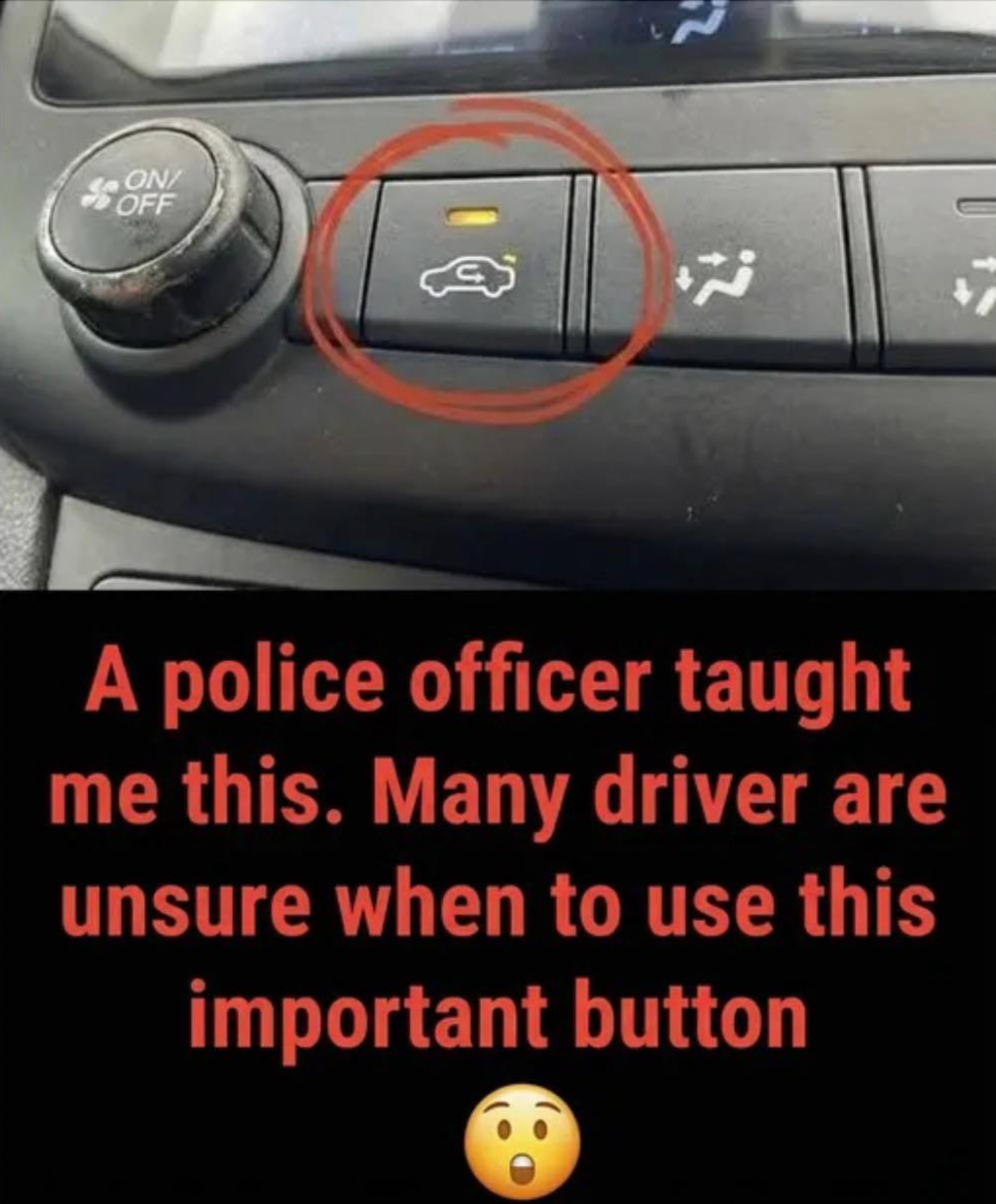
It’s Your Car’s Air Recirculation System—And You Should Know How to Use It
You’ve likely seen it on your car’s dashboard: a small icon depicting a car with a circular arrow inside. Most drivers recognize it in passing, yet few truly understand what it does—or why it can make such a difference during everyday driving. That little button controls your vehicle’s air recirculation system, a feature that might seem minor but actually plays a critical role in comfort, air quality, and even fuel efficiency.
Whether you’re enduring sweltering summer heat, crawling behind a diesel truck in traffic, or navigating through pollen-laden spring air, knowing when to engage—or disengage—this system can transform the driving experience.
What the Air Recirculation Button Actually Does
At its core, the air recirculation system is simple: it controls whether the car draws air from outside the vehicle or reuses air already inside the cabin.
- Recirculate mode (button on): Air inside the car is continuously cycled through the HVAC system. The car does not draw in outside air.
- Fresh air mode (button off): Air from outside enters the cabin, while stale cabin air is vented out.
This sounds straightforward, but the implications are more complex than you might think.
Why You Might Want to Use Air Recirculation
1. Fighting Summer Heat
When the outside temperature soars, recirculating air inside the cabin allows your air conditioner to cool faster and more efficiently.
Why?
Air conditioning works by removing heat from the air inside your car. If hot outside air keeps entering, the AC must work harder to maintain a comfortable temperature. Using recirculation:
- Reduces AC workload
- Lowers fuel consumption slightly
- Speeds up cabin cooling
Many drivers notice that pressing the recirculation button during peak summer heat makes a dramatic difference within minutes.
2. Avoiding Polluted or Dusty Air
Traffic jams often place drivers behind:
- Diesel trucks
- Construction dust
- Vehicle exhaust
Activating the air recirculation system keeps polluted air from entering the cabin, giving you a cleaner, fresher environment. It’s also helpful during:
- High-pollen seasons
- Areas with wildfire smoke
- Dusty roads
For allergy sufferers, this can significantly reduce irritation.
3. Enhancing Heating Efficiency in Winter
Recirculation is also useful in cold weather. Heated air inside the cabin can warm up faster if it isn’t constantly replaced by freezing outside air. Using recirculation in short bursts allows the heater to:
- Reach the desired temperature quickly
- Maintain warmth efficiently
- Reduce engine workload slightly
When You Should Avoid Using Air Recirculation
While recirculation can be helpful, it’s not always ideal. Leaving it on continuously can cause problems, including:
- Foggy windows: Without fresh air, moisture accumulates in the cabin, especially on cold or humid days. Fogged-up windshields reduce visibility and can be dangerous.
- Stale air: Extended recirculation can make the interior feel stuffy. Oxygen levels remain adequate for short trips, but long drives benefit from fresh air circulation.
- Excessive odor build-up: Cooking smells, smoke, or any lingering scents can concentrate inside the cabin if the air isn’t periodically refreshed.
Pro Tip:
Use recirculation in short bursts—a few minutes at a time—especially in hot weather, then switch back to fresh air to prevent fogging and maintain air quality.
How Modern Cars Manage Recirculation Automatically
Many modern vehicles automatically regulate air recirculation based on:
- Temperature
- Humidity
- Air quality outside
Some cars even include sensors for:
- Pollutants
- Pollen
- Carbon monoxide
In these systems, the driver may never need to press the button manually, though understanding the function is still useful for older vehicles or unusual driving conditions.
Common Myths About the Recirculation Button
- “It saves a lot of gas.”
Recirculation can slightly reduce AC workload and fuel consumption, but the difference is small. It’s not a major fuel-saving tool. - “It’s only for summer.”
While often associated with cooling, recirculation can be used in winter to improve heating efficiency, or in spring/fall to avoid allergens. - “It replaces cabin air filters.”
Air recirculation doesn’t clean the air—it only recycles it. Filters still trap dust, pollen, and debris.
Practical Tips for Using Air Recirculation Effectively
- Hot day tip: Start with recirculation on, then switch to fresh air after the cabin cools to maintain ventilation.
- Winter tip: Use recirculation to warm the cabin faster, but switch to fresh air periodically to prevent window fogging.
- Traffic tip: Turn it on when behind vehicles emitting exhaust or driving through dusty areas.
- Allergy tip: Combine recirculation with a clean cabin air filter to reduce pollen and dust exposure.
Bottom Line
That small, unassuming button with the car and circular arrow icon is more than just a convenience feature—it is a tool for comfort, health, and efficiency. Understanding when and how to use it allows you to:
- Cool your car faster in summer
- Warm it efficiently in winter
- Reduce exposure to pollutants and allergens
- Maintain better cabin air quality overall
While it may seem minor, proper use of the air recirculation system can make every drive noticeably more pleasant, safer, and even slightly more fuel-efficient.