The Classic Golden, Crusty, Old-Fashioned Comfort Food (Full Detailed Guide)
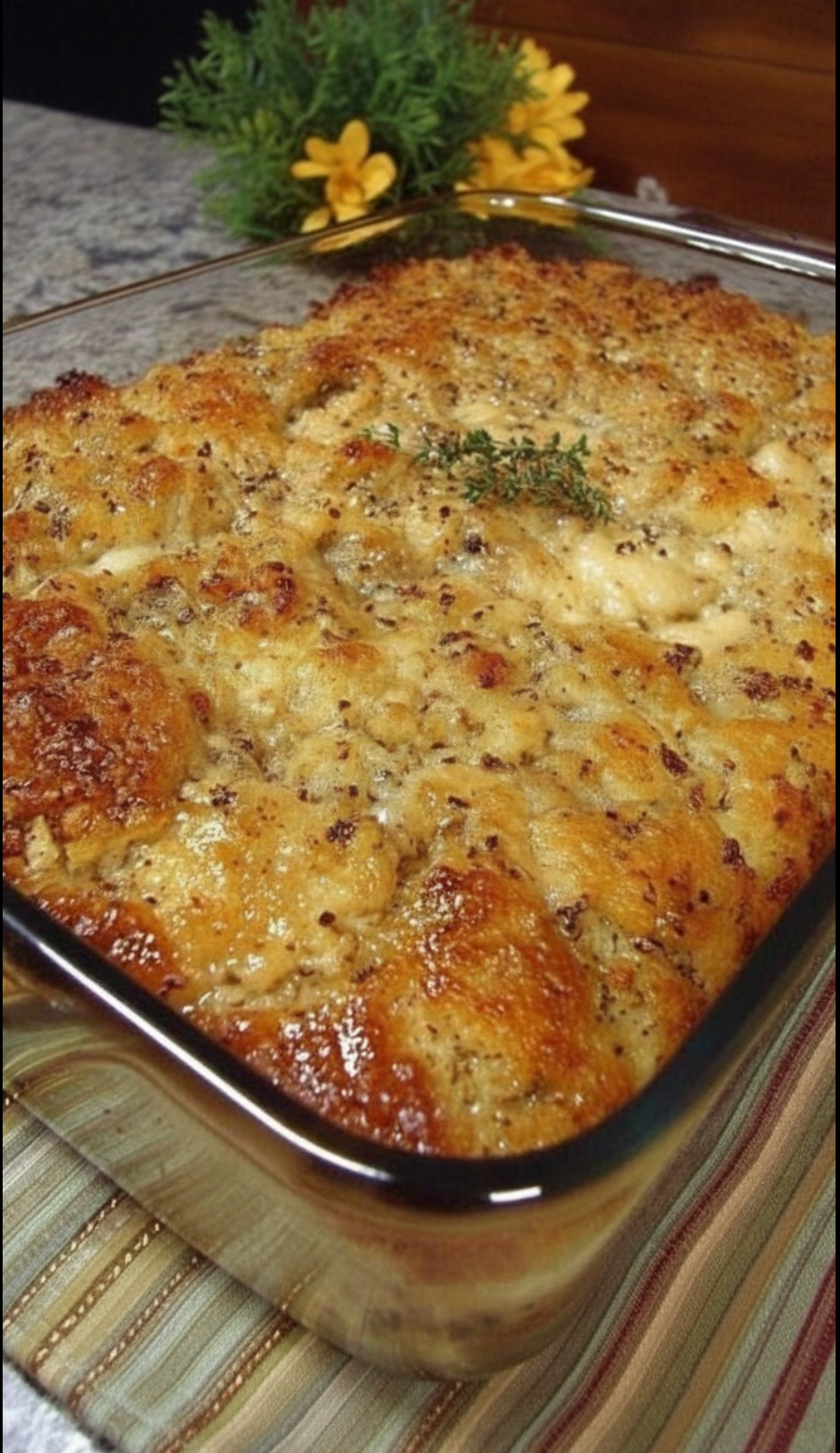
Southern Cornbread is one of the most iconic comfort foods in American cooking. It’s simple, rustic, and deeply rooted in tradition. Unlike sweet, cake-like cornbread found in some modern recipes, authentic Southern cornbread is more savory, slightly crumbly, and known for its crisp golden crust—especially when baked in a cast iron skillet.
It is the kind of food that shows up next to chili, fried chicken, greens, beans, and holiday meals. But on its own, warm from the oven with a little butter, it is pure comfort.
What Makes Southern Cornbread Different?
Southern cornbread stands apart from other versions because it focuses on:
- savory flavor, not sweetness
- crispy, browned edges
- dense but tender crumb
- simple, minimal ingredients
- cast iron baking tradition
It is not a dessert-style bread. It is a side dish with deep historical roots in Southern home cooking.
Flavor Profile
A properly made Southern cornbread tastes like:
- toasted cornmeal
- rich butter or bacon fat
- slightly nutty, earthy grains
- crisp edges with soft center
- subtle tang if buttermilk is used
It is simple, but very satisfying.
Key Ingredients (Detailed Breakdown)
1. Cornmeal (The Heart of the Recipe)
Cornmeal is the main ingredient.
Types:
- white cornmeal → milder flavor
- yellow cornmeal → richer, stronger corn taste
- stone-ground cornmeal → more rustic texture
Cornmeal gives cornbread its signature grainy, hearty structure.
2. Flour (Optional but Common)
Some Southern recipes use a mix of cornmeal and flour.
Flour helps:
- soften texture
- hold structure
- reduce crumbliness
Traditional purists sometimes skip flour entirely.
3. Buttermilk
Buttermilk is a key ingredient in many Southern versions.
It provides:
- slight tanginess
- tenderness
- moisture
- improved rise
It reacts with baking soda or baking powder to create lift.
4. Eggs
Eggs help bind everything together and improve structure.
They contribute:
- moisture
- richness
- stability
5. Fat (Butter, Oil, or Bacon Grease)
Fat is essential for flavor and texture.
Common options:
- butter → rich and creamy flavor
- vegetable oil → softer texture
- bacon grease → traditional smoky depth
Fat also helps create the crispy crust.
6. Leavening Agents
Typically:
- baking powder
- baking soda (especially with buttermilk)
These create lightness and prevent dense cornbread.
7. Salt
Balances flavor and enhances corn taste.
Step-by-Step Cooking Process
Step 1: Preheat Oven and Cast Iron Skillet
Set oven to:
- 220°C (425°F)
Place a cast iron skillet inside while it heats.
This step is important because:
a hot skillet creates the signature crispy crust.
Step 2: Prepare Dry Ingredients
In a bowl, mix:
- cornmeal
- flour (if using)
- baking powder
- salt
Mix evenly so leavening is distributed properly.
Step 3: Mix Wet Ingredients
In another bowl combine:
- buttermilk
- eggs
- melted butter or oil
Whisk until smooth.
Step 4: Combine Wet and Dry Mixtures
Pour wet ingredients into dry ingredients.
Stir gently until just combined.
Important:
- do NOT overmix
- batter should be slightly lumpy
Overmixing leads to tough cornbread.
Step 5: Heat the Fat in Skillet
Carefully remove hot skillet from oven.
Add:
- butter or bacon grease
Let it melt and coat the pan completely.
This creates the crispy crust layer.
Step 6: Pour Batter Into Hot Skillet
Pour batter directly into sizzling fat.
You should hear a slight sizzle—this is a good sign.
The edges start cooking immediately.
Step 7: Bake
Bake for:
- 20 to 25 minutes
Until:
- top is golden brown
- edges pull away slightly from pan
- toothpick comes out clean
- crust is firm and crisp
Step 8: Rest Before Serving
Let cornbread rest for 5–10 minutes.
This helps:
- set structure
- improve slicing
- deepen flavor
The Secret to Crispy Southern Cornbread Crust
The crispy crust is what defines authentic Southern cornbread.
It comes from:
1. Hot cast iron skillet
Creates instant searing on contact.
2. Fat layer in pan
Frying effect during baking.
3. High oven temperature
Promotes browning quickly.
Together, these create a crunchy, golden bottom and edges.
Texture Description
Perfect Southern cornbread should have:
- crispy outer crust
- slightly crumbly edges
- soft but structured interior
- moist but not wet texture
- grainy corn flavor
It should not be overly fluffy or cake-like.
Common Mistakes to Avoid
1. Using cold skillet
Preheating is essential for crust formation.
2. Overmixing batter
Leads to dense, rubbery texture.
3. Too much sugar (if added)
Makes it taste like cake, not Southern cornbread.
4. Not enough fat
Reduces flavor and crispiness.
5. Overbaking
Dries out the bread.
Sweet vs Savory Debate
Southern cornbread is traditionally:
- NOT sweet
- slightly savory
- corn-forward
However, modern variations sometimes include sugar.
Traditional style:
- no sugar or very little
Modern style:
- slightly sweet, cake-like texture
Both exist, but Southern tradition favors savory.
Variations of Southern Cornbread
1. Jalapeño Cornbread
Adds heat and spice.
2. Cheddar Cornbread
Adds melted cheese richness.
3. Bacon Cornbread
Smoky, savory flavor boost.
4. Honey Butter Cornbread
Sweet-savory topping after baking.
5. Skillet Cornbread Muffins
Same batter baked in muffin tins.
Best Foods to Serve With Cornbread
Southern cornbread pairs perfectly with:
- chili
- collard greens
- fried chicken
- BBQ ribs
- beans and stews
- soups
It also works with:
- butter
- honey
- jam
- gravy
Storage and Reheating
Storage:
- 2–3 days at room temperature
- up to 5 days refrigerated
Reheating:
- oven (best for crust)
- microwave (softer texture)
Add butter when reheating for freshness.
Why Southern Cornbread Is So Loved
This dish is more than bread—it’s tradition.
People love it because:
- it’s simple and filling
- it has deep cultural roots
- it’s versatile
- it pairs with almost anything
- it delivers comfort and nostalgia
It represents old-fashioned home cooking at its best.
Welcome to my kitchen!
I’m a passionate home cook and recipe creator who loves turning simple ingredients into delicious, comforting meals that everyone can enjoy. Through this website, I share carefully prepared recipes, practical cooking tips, and easy-to-understand food education to help you feel more confident in the kitchen.
My goal is to make cooking simple, enjoyable, and accessible. Whether you are looking for a quick family dinner, a delicious dessert, healthy meal ideas, or traditional recipes with a modern touch, you’ll find inspiration here.
More Than Just Recipes
I believe that cooking is also a way to learn. That’s why this website is not only about recipes. I also create educational articles about ingredients, cooking techniques, kitchen tips, food preparation, and the stories behind different dishes.
Each article is designed to give you useful knowledge that you can apply in your own kitchen. From understanding how ingredients work together to learning better cooking methods, my aim is to help you become a more confident and creative cook.
My Philosophy
Good food doesn’t always require complicated ingredients or professional equipment. With a little knowledge, patience, and creativity, simple ingredients can become something truly special.
I believe in sharing recipes that are practical, clearly explained, and enjoyable to make. I also love exploring new flavors while appreciating traditional cooking and the recipes passed down through generations.
Thank you for visiting my kitchen and being part of this food-loving community. I hope my recipes and articles inspire you to cook, learn, experiment, and most importantly, enjoy every bite!
Happy cooking!