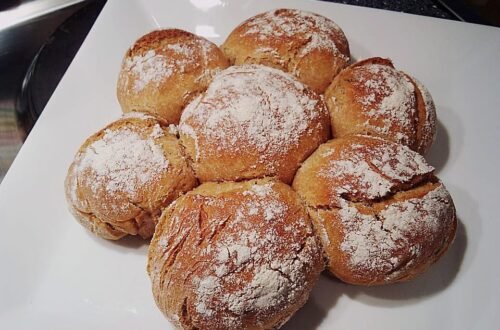
Growing up, many of us didn’t realize that some of the meals we loved most were created during times when money was tight. Parents and grandparents often had to stretch every dollar, making the most of simple pantry staples, seasonal vegetables, and whatever ingredients happened to be available. They transformed humble foods into hearty, satisfying meals that filled the table, nourished the family, and created memories that would last a lifetime.
Today, these recipes are often referred to as budget-friendly meals, frugal family dinners, or poverty meals. While the names may sound modest, they represent something much greater than inexpensive cooking. They tell stories of resilience, resourcefulness, and the remarkable ability to create comfort and joy from very little.
Long before meal delivery apps, gourmet grocery stores, or endless online recipe collections, families relied on creativity, experience, and simple ingredients to prepare meals that were both affordable and delicious. Many of these dishes have survived for generations because they continue to offer exactly what people need today: good flavor, reliable nutrition, minimal waste, and a comforting reminder of home.
Whether you grew up enjoying buttery potatoes, homemade soups, fried bread, beans and rice, pasta casseroles, or slow-cooked stews, these humble meals have a special place in countless hearts. They remind us that the best food is not always the most expensive—it is often the food prepared with care, shared with loved ones, and connected to cherished memories.
Why Budget-Friendly Meals Hold a Special Place in Our Hearts
Food is deeply connected to memory.
The aroma of onions gently cooking in butter, freshly baked bread cooling on the counter, or a bubbling pot of soup simmering on the stove can instantly transport us back to childhood.
These meals remind us of:
- Family dinners around a crowded table
- Grandparents teaching cooking techniques
- Parents making dinner after long days of work
- Holidays celebrated with simple but meaningful foods
- Cold evenings warmed by hearty homemade soups
- School lunches packed with leftovers
- Weekends spent helping in the kitchen
Even decades later, many people say these dishes bring feelings of comfort, safety, and belonging.
Cooking Out of Necessity Became a Tradition
Throughout history, families have experienced difficult economic times.
Periods such as:
- The Great Depression
- Wartime rationing
- Economic recessions
- Crop failures
- Rising food prices
- Personal financial hardship
forced households to become incredibly resourceful.
Nothing was wasted.
Every ingredient had value.
Stale bread became breadcrumbs.
Leftover vegetables became soup.
Cooked meat was stretched into casseroles.
Bones became flavorful broth.
Even potato peels were sometimes fried into crispy snacks.
These practical habits helped families survive while creating recipes that remain beloved today.
The Beauty of Pantry Cooking
One reason these meals continue to be popular is that they rely on ingredients many people already have at home.
Common pantry staples include:
- Potatoes
- Rice
- Pasta
- Dried beans
- Lentils
- Flour
- Eggs
- Butter
- Onions
- Garlic
- Canned tomatoes
- Frozen vegetables
- Broth
- Cheese
- Bread
- Oats
With just a handful of these ingredients, families can prepare dozens of satisfying meals.
Why These Meals Taste So Good
Simple cooking often allows each ingredient to shine.
Rather than relying on expensive specialty products, traditional home cooks focused on techniques that naturally developed flavor.
These included:
- Slow cooking
- Browning onions
- Roasting vegetables
- Simmering soups for hours
- Baking casseroles until golden
- Using herbs and spices carefully
- Saving homemade broth for future meals
Patience often mattered more than expensive ingredients.
Meals That Fed Generations
Many classic family dishes were created because they could feed large households without costing very much.
Examples include:
- Potato soup
- Vegetable stew
- Rice and beans
- Lentil soup
- Macaroni and cheese
- Shepherd’s pie
- Bread pudding
- Cabbage casserole
- Bean chili
- Chicken and dumplings
- Meatloaf
- Tuna casserole
- Fried potatoes and onions
- Homemade pancakes
- Tomato soup with grilled cheese
Although simple, these meals remain favorites because they are filling, comforting, and adaptable.
Making the Most of Leftovers
Earlier generations rarely threw food away.
Instead, leftovers became entirely new meals.
Examples include:
Sunday roast becoming Monday sandwiches.
Leftover mashed potatoes becoming potato cakes.
Cooked vegetables becoming soup.
Extra rice becoming fried rice.
Stale bread becoming stuffing or bread pudding.
Cooked chicken becoming pot pie.
This approach saved money while reducing food waste.
The Importance of Seasonal Ingredients
Families often cooked with whatever was in season because it was more affordable and fresher.
Spring brought:
- Peas
- Asparagus
- Spinach
Summer offered:
- Tomatoes
- Zucchini
- Corn
- Green beans
Autumn featured:
- Squash
- Cabbage
- Apples
- Potatoes
Winter meals relied heavily on:
- Root vegetables
- Stored onions
- Dried beans
- Preserved foods
Cooking with the seasons naturally reduced grocery costs.
Home Gardens Played a Major Role
Many families grew their own food.
Backyard gardens often produced:
- Tomatoes
- Potatoes
- Carrots
- Lettuce
- Beans
- Cucumbers
- Herbs
- Peppers
Extra produce was:
- Frozen
- Canned
- Pickled
- Dried
This provided food throughout the year while lowering household expenses.
Homemade Bread: A Symbol of Resourcefulness
Fresh bread has always represented comfort.
Baking bread at home allowed families to:
- Save money
- Feed larger households
- Stretch soups and stews
- Create sandwiches
- Reduce waste
Even stale bread found new purpose in recipes like:
- French toast
- Bread pudding
- Stuffing
- Croutons
The Emotional Value of Simple Meals
Many people remember these dishes not because they were luxurious but because they were shared.
Family meals encouraged:
- Conversation
- Storytelling
- Laughter
- Celebration
- Comfort during difficult times
The emotional connection often outweighs the simplicity of the ingredients.
Lessons We Can Learn Today
Modern grocery prices continue to rise, making many traditional cooking habits more valuable than ever.
These older methods teach us to:
- Plan meals carefully.
- Shop with a list.
- Buy seasonal produce.
- Cook at home more often.
- Reduce food waste.
- Freeze leftovers.
- Repurpose ingredients creatively.
- Appreciate simple flavors.
These habits benefit both household budgets and the environment.
Budget-Friendly Does Not Mean Unhealthy
Many inexpensive meals are naturally nutritious.
They often include:
- Whole grains
- Beans
- Vegetables
- Potatoes
- Eggs
- Homemade soups
- Lean proteins
Balanced meals can be created without spending large amounts of money.
Cooking Together Strengthens Families
Preparing meals together offers benefits beyond the food itself.
Children learn:
- Basic cooking skills
- Kitchen safety
- Meal planning
- Patience
- Responsibility
Family recipes are passed from one generation to the next, preserving traditions that might otherwise disappear.
Why These Recipes Continue to Endure
Simple family recipes have survived because they offer qualities that never go out of style.
They are:
- Affordable
- Reliable
- Filling
- Flexible
- Easy to customize
- Suitable for large families
- Perfect for leftovers
- Rich in tradition
Even in today’s fast-paced world, these qualities remain incredibly valuable.
Frequently Asked Questions
Why are old family recipes becoming popular again?
Many people are seeking affordable meals, nostalgic flavors, and simpler ways of cooking that emphasize comfort and practicality.
Are budget-friendly meals less nutritious?
Not necessarily. Many traditional recipes include wholesome ingredients such as vegetables, beans, whole grains, eggs, and homemade broths, providing balanced nutrition at a low cost.
How can I save money while cooking?
Planning meals, buying seasonal produce, cooking larger batches, freezing leftovers, and reducing food waste are among the most effective ways to lower grocery expenses.
Why do childhood meals taste so memorable?
Food is closely connected to memory and emotion. Meals shared with family during childhood often become powerful reminders of love, comfort, and home.
Welcome to my kitchen!
I’m a passionate home cook and recipe creator who loves turning simple ingredients into delicious, comforting meals that everyone can enjoy. Through this website, I share carefully prepared recipes, practical cooking tips, and easy-to-understand food education to help you feel more confident in the kitchen.
My goal is to make cooking simple, enjoyable, and accessible. Whether you are looking for a quick family dinner, a delicious dessert, healthy meal ideas, or traditional recipes with a modern touch, you’ll find inspiration here.
More Than Just Recipes
I believe that cooking is also a way to learn. That’s why this website is not only about recipes. I also create educational articles about ingredients, cooking techniques, kitchen tips, food preparation, and the stories behind different dishes.
Each article is designed to give you useful knowledge that you can apply in your own kitchen. From understanding how ingredients work together to learning better cooking methods, my aim is to help you become a more confident and creative cook.
My Philosophy
Good food doesn’t always require complicated ingredients or professional equipment. With a little knowledge, patience, and creativity, simple ingredients can become something truly special.
I believe in sharing recipes that are practical, clearly explained, and enjoyable to make. I also love exploring new flavors while appreciating traditional cooking and the recipes passed down through generations.
Thank you for visiting my kitchen and being part of this food-loving community. I hope my recipes and articles inspire you to cook, learn, experiment, and most importantly, enjoy every bite!
Happy cooking!