The Fragrant Mediterranean Plant That Has Been Valued for Centuries
Rosemary is one of those rare herbs that seems to bridge multiple worlds at once.
It belongs equally to:
- the kitchen
- traditional herbal practices
- home gardens
- cultural rituals
- and modern wellness conversations.
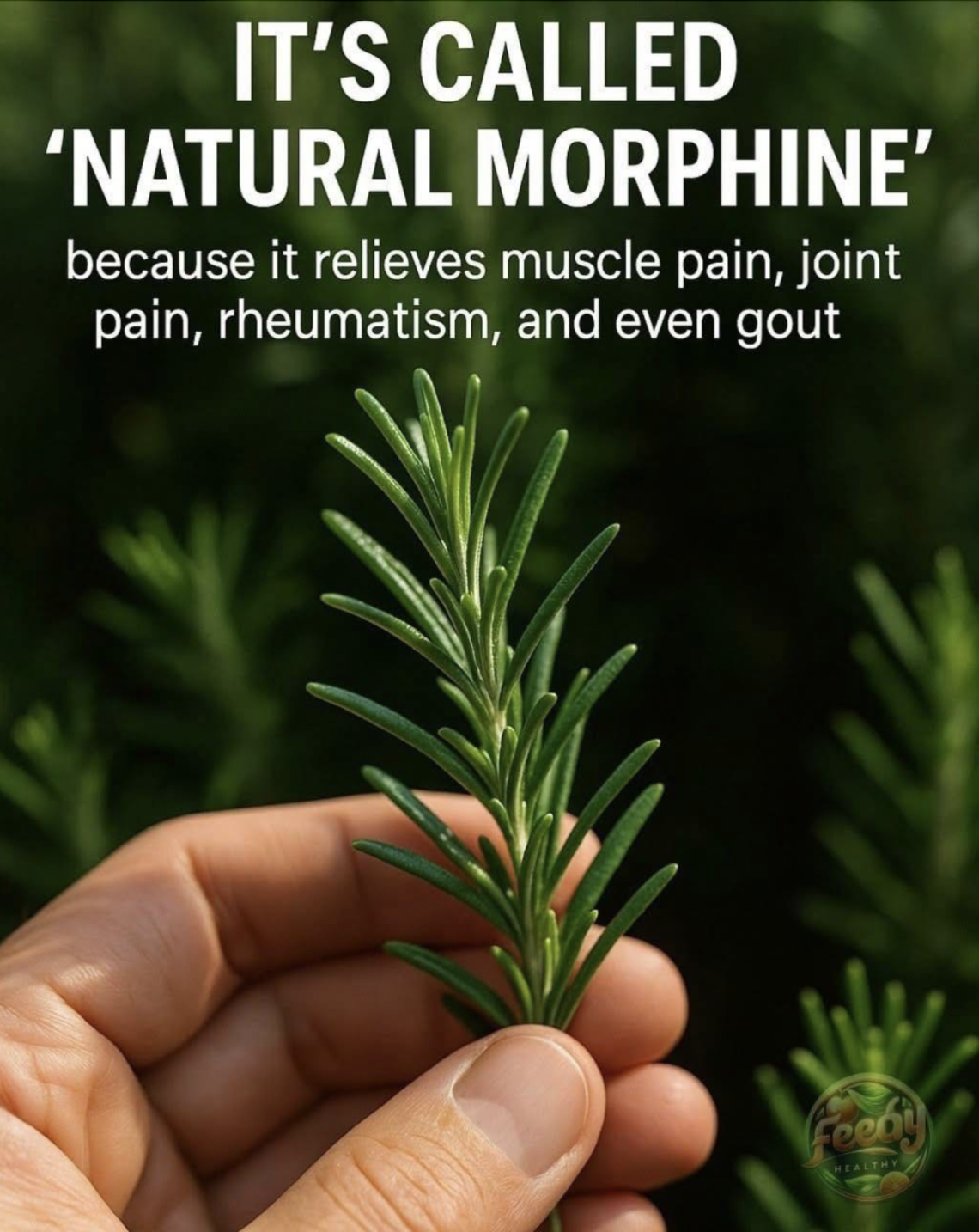
With its needle-like leaves, woody stems, and unmistakable aroma, rosemary has been appreciated for thousands of years not only as a flavorful culinary herb, but also as a symbol of memory, vitality, and healing in many cultures around the world.
Today, rosemary continues to attract attention because research suggests it may offer a variety of potential wellness benefits—from supporting concentration and digestion to providing antioxidant compounds and aromatic stress relief.
At the same time, it’s important to separate:
- traditional beliefs
from - scientifically established medical facts.
Rosemary is not a miracle cure, but it is a fascinating plant with a long history of practical use and promising health-supportive properties.
What Exactly Is Rosemary?
Rosemary is an evergreen herb scientifically known as:
Rosmarinus officinalis
It is native to the Mediterranean region and belongs to the mint family, alongside herbs like:
- basil
- thyme
- oregano
- sage
- lavender.
The plant grows as a fragrant shrub with:
- narrow green leaves
- woody branches
- small blue, purple, pink, or white flowers.
Its aroma is often described as:
- pine-like
- earthy
- herbal
- woody
- slightly citrusy.
Rosemary Through History
Few herbs carry as much symbolism as rosemary.
Ancient civilizations associated it with:
- memory
- protection
- loyalty
- purification
- remembrance.
Ancient Greece
Students reportedly wore rosemary garlands while studying because the herb was associated with mental clarity and memory.
Ancient Rome
Rosemary appeared in:
- ceremonies
- cooking
- medicine
- religious rituals.
Medieval Europe
People believed rosemary could:
- cleanse the air
- ward off illness
- preserve freshness.
Branches were often burned or placed in homes for fragrance and symbolic protection.
The Nutritional and Chemical Compounds in Rosemary
Rosemary contains several naturally occurring plant compounds that researchers study for their biological activity.
These include:
- rosmarinic acid
- carnosic acid
- flavonoids
- essential oils
- antioxidants.
These compounds may contribute to rosemary’s:
- aroma
- preservative effects
- antioxidant activity
- anti-inflammatory properties.
Potential Wellness Benefits of Rosemary
While rosemary should not replace medical treatment, studies suggest it may support certain aspects of health and wellness.
1. Rosemary and Cognitive Support
One of the most famous traditional uses of rosemary involves memory and concentration.
Researchers have explored whether rosemary aroma and compounds may influence:
- alertness
- focus
- mental performance
- mood.
Some small studies suggest rosemary scent may help improve:
- attention
- speed of recall
- mental clarity.
This doesn’t mean rosemary is a magical brain enhancer, but its stimulating aroma may positively affect mental alertness in some people.
2. Rich in Antioxidants
Rosemary contains antioxidant compounds that help protect cells from oxidative stress.
Oxidative stress is associated with:
- aging
- inflammation
- environmental damage
- chronic disease processes.
Antioxidants help neutralize unstable molecules called free radicals.
3. Digestive Support
Traditionally, rosemary has often been used after meals because it may help:
- stimulate digestion
- reduce bloating
- support stomach comfort.
Herbal teas containing rosemary are commonly consumed in some cultures for digestive relaxation.
4. Aromatic Stress Relief
The scent of rosemary is frequently used in:
- aromatherapy
- bath products
- essential oil blends.
Many people describe the aroma as:
- refreshing
- grounding
- mentally energizing.
Pleasant scents can influence mood and relaxation through connections between smell and the brain’s emotional centers.
5. Anti-Inflammatory Research Interest
Researchers continue studying rosemary compounds for possible anti-inflammatory effects.
Inflammation is a natural immune response, but chronic inflammation is associated with many health conditions.
Although promising laboratory findings exist, more large-scale human research is still needed.
Rosemary in the Kitchen
One reason rosemary remains so beloved is its incredible culinary versatility.
Its bold flavor pairs beautifully with:
- roasted potatoes
- chicken
- lamb
- bread
- soups
- olive oil
- vegetables
- beans.
Because rosemary is strong, small amounts provide significant flavor.
Why Rosemary Works So Well in Cooking
Rosemary’s aromatic oils hold up especially well under heat.
Unlike delicate herbs that fade during cooking, rosemary remains fragrant in:
- roasting
- grilling
- slow cooking
- baking.
That resilience helped make it valuable historically before refrigeration, since its aroma and oils could help preserve and flavor food.
Rosemary Tea
Rosemary tea is a traditional herbal preparation made by steeping fresh or dried rosemary in hot water.
People often drink it for:
- warmth
- relaxation
- digestion
- aromatic enjoyment.
Its flavor is:
- earthy
- piney
- slightly bitter
- herbal.
Some people combine it with:
- lemon
- honey
- mint
- ginger.
Rosemary Essential Oil
Rosemary essential oil is highly concentrated and commonly used in:
- aromatherapy
- massage blends
- hair care products.
Some studies have explored rosemary oil’s potential role in supporting scalp circulation and hair growth, though results vary and more research is ongoing.
Essential oils should always be used carefully and diluted appropriately.
Rosemary and Hair Traditions
Rosemary has long been associated with hair care.
Traditional uses include:
- scalp rinses
- infused oils
- herbal hair treatments.
Modern interest in rosemary oil for hair support has grown significantly online, especially regarding:
- scalp health
- hair thickness
- circulation support.
However, individual results vary considerably.
Growing Rosemary at Home
Rosemary is popular in home gardens because it is:
- hardy
- fragrant
- drought-tolerant
- attractive.
It grows well in:
- pots
- herb gardens
- sunny windowsills.
The scent released when brushing against the plant adds to its appeal.
Important Safety Considerations
Rosemary is generally safe in culinary amounts, but concentrated forms may not be suitable for everyone.
Large medicinal quantities or concentrated oils may interact with certain conditions or medications.
People who are:
- pregnant
- managing medical conditions
- sensitive to herbs or essential oils
should use caution and consult healthcare professionals when considering concentrated herbal products.
The Difference Between Wellness Support and Medical Claims
One reason herbs like rosemary become controversial online is because exaggerated claims spread easily.
It’s important to understand:
- rosemary may support wellness
- rosemary is not a cure-all
- natural does not automatically mean harmless or medically proven.
Science often finds promising properties in herbs while still requiring more evidence before strong medical conclusions can be made.
Why People Continue Returning to Herbs Like Rosemary
Part of rosemary’s enduring appeal comes from its combination of:
- practicality
- beauty
- fragrance
- tradition
- sensory comfort.
Unlike highly processed products, herbs connect people to:
- cooking
- gardening
- nature
- older traditions of self-care.
Even the act of crushing rosemary leaves between your fingers releases a scent many people instantly associate with:
- warmth
- kitchens
- memory
- calmness.
The Symbolism of Rosemary
Across cultures, rosemary has symbolized:
- remembrance
- fidelity
- resilience
- clarity.
Its connection to memory appears repeatedly in literature and folklore.
Perhaps that symbolism survived because scent itself is strongly tied to human memory.
A single herbal aroma can instantly transport someone back to:
- childhood meals
- family gatherings
- gardens
- holidays
- loved ones.

Welcome to my kitchen!
I’m a passionate home cook and recipe creator who loves turning simple ingredients into delicious, comforting meals that everyone can enjoy. Through this website, I share carefully prepared recipes, practical cooking tips, and easy-to-understand food education to help you feel more confident in the kitchen.
My goal is to make cooking simple, enjoyable, and accessible. Whether you are looking for a quick family dinner, a delicious dessert, healthy meal ideas, or traditional recipes with a modern touch, you’ll find inspiration here.
More Than Just Recipes
I believe that cooking is also a way to learn. That’s why this website is not only about recipes. I also create educational articles about ingredients, cooking techniques, kitchen tips, food preparation, and the stories behind different dishes.
Each article is designed to give you useful knowledge that you can apply in your own kitchen. From understanding how ingredients work together to learning better cooking methods, my aim is to help you become a more confident and creative cook.
My Philosophy
Good food doesn’t always require complicated ingredients or professional equipment. With a little knowledge, patience, and creativity, simple ingredients can become something truly special.
I believe in sharing recipes that are practical, clearly explained, and enjoyable to make. I also love exploring new flavors while appreciating traditional cooking and the recipes passed down through generations.
Thank you for visiting my kitchen and being part of this food-loving community. I hope my recipes and articles inspire you to cook, learn, experiment, and most importantly, enjoy every bite!
Happy cooking!