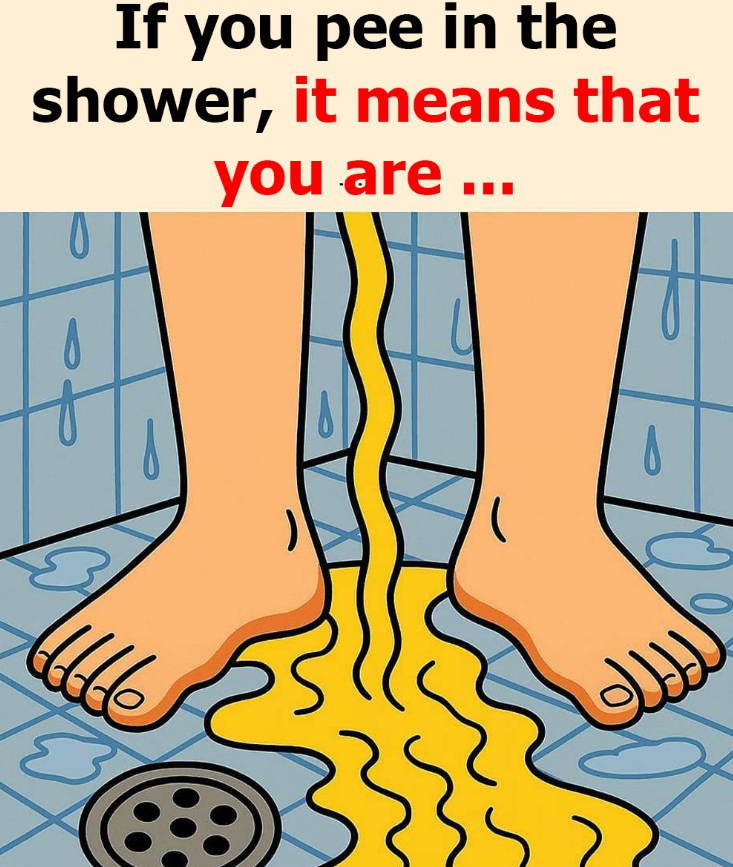
🚿 Is Peeing in the Shower Safe? (Facts vs Myths Explained in Detail)
It’s one of those habits people rarely admit—but almost everyone has wondered about it at some point:
👉 Is peeing in the shower harmless… or is it actually a bad hygiene habit?
The answer isn’t just yes or no. It depends on hygiene, habits, and personal health. Let’s break it down clearly and realistically.
🚽 Why People Do It (And Why It Feels “Normal”)
For many people, peeing in the shower isn’t something planned—it’s something that just happens.
Common reasons include:
- ⏱️ Convenience – no need to step out mid-shower
- 🚿 Routine overlap – bathroom + shower = multitasking
- 💧 Perceived water saving – fewer toilet flushes
- 🏋️ After exercise – urgency during post-workout showers
- 🧻 Less toilet paper use – some see it as eco-friendly
Since urine is mostly water (about 95%), many people assume it is harmless and “cleans away immediately.”
But biology is a bit more complex than that.
🧪 Is Urine Really Sterile? (The Big Misunderstanding)
One of the most common claims online is:
❌ “Urine is sterile.”
This is a myth.
What science actually says:
- Urine from a healthy person is usually low in bacteria
- BUT it is not completely sterile
- Small amounts of bacteria can still be present naturally
- The urinary tract is not a completely sterile system as once believed
👉 For most healthy individuals, this is not dangerous—but it’s not “clean water” either.
So while occasional exposure isn’t a major risk, hygiene context still matters.
🌍 Is It Harmful in Everyday Life?
In most private homes with proper cleaning, the risk is generally low. But “low risk” is not the same as “no effect.”
Let’s look deeper.
✅ Possible Benefits People Mention
💧 1. Small Water Savings
Some argue that skipping a flush occasionally can reduce water usage.
However, realistically:
- The amount saved per person is very small
- It only becomes meaningful at a large population scale
Still, it’s often used as a justification for the habit.
🕒 2. Convenience Factor
People often mention:
- No interruption during showering
- Saves time in the morning
- Feels natural in warm running water
This is more psychological convenience than a health benefit.
🌱 3. Misunderstood Health Claims
Some online claims suggest urine may:
- Help athlete’s foot
- Improve skin conditions
- Act as a “natural cleanser”
👉 However, there is no strong scientific evidence supporting these claims.
Medical experts generally do not recommend urine for any health treatment.
⚠️ Potential Downsides You Should Know
Even though it may seem harmless, there are some important considerations.
🦠 1. Hygiene & Bacteria Build-Up
While urine itself is not highly dangerous, repeated exposure in a shared space can contribute to:
- Residue buildup in shower drains
- Unpleasant odors over time
- Increased bacterial growth on surfaces if not cleaned regularly
This becomes more relevant in:
- Shared bathrooms
- Public showers
- Poorly ventilated spaces
🧠 2. Habit Conditioning (Psychological Effect)
Some behavioral experts suggest a possible effect:
👉 Your brain may start associating running water with urination.
This doesn’t affect everyone, but habits formed repeatedly can become automatic responses over time.
🩺 3. When You Should Avoid It
It’s better to avoid peeing in the shower if you have:
- Urinary tract infections (UTIs)
- Open wounds or cuts
- Skin infections
- Weakened immune conditions
In these cases, hygiene risk is higher.
🚿 4. Bathroom Cleanliness Still Matters
Even if urine itself is diluted quickly:
- Residue can still spread in the shower area
- It may contribute to long-term odor if not cleaned properly
- Soap and water do not automatically disinfect everything
Regular cleaning is still essential.
🧼 What Health Experts Generally Say
Most general medical guidance suggests:
👉 Occasional peeing in a private, clean shower is not harmful for healthy individuals
BUT:
Experts also emphasize that it should not replace proper toilet hygiene habits.
Key recommendations include:
- Keep bathrooms clean and disinfected
- Avoid the habit in shared spaces
- Maintain normal toilet use as the primary behavior
🌿 Environmental Perspective (Water Saving Debate)
Some people defend the habit for environmental reasons.
While it’s true that:
- Flushing uses water
- Small savings exist
Realistically:
👉 The environmental impact is minimal at individual level
👉 Larger water-saving actions (shorter showers, efficient toilets) matter more
So it’s not a major eco-friendly strategy by itself.
❓ Frequently Asked Questions (Expanded)
Is peeing in the shower unhealthy?
For most healthy people, no serious health risk is proven—but hygiene still matters.
Can it cause infections?
Very unlikely in healthy individuals, but risk increases with:
- Open wounds
- Poor bathroom hygiene
- Existing infections
Does it really save water?
Yes, but only slightly. The impact is very small per person.
Is it socially acceptable?
This depends entirely on personal and cultural views. It’s common but rarely openly discussed.
Does it damage plumbing?
No significant evidence suggests harm to plumbing systems in normal household conditions.
❤️ Final Thoughts
Peeing in the shower is one of those everyday habits that sits in a “gray area.”
It is:
- Not extremely dangerous for most people
- Not medically recommended as a hygiene practice
- Mostly neutral when done occasionally in a clean private bathroom
👉 The real deciding factor is not just health—but cleanliness habits and personal comfort.
At the end of the day, hygiene is less about isolated actions and more about overall bathroom care and routine cleanliness.
Welcome to my kitchen!
I’m a passionate home cook and recipe creator who loves turning simple ingredients into delicious, comforting meals that everyone can enjoy. Through this website, I share carefully prepared recipes, practical cooking tips, and easy-to-understand food education to help you feel more confident in the kitchen.
My goal is to make cooking simple, enjoyable, and accessible. Whether you are looking for a quick family dinner, a delicious dessert, healthy meal ideas, or traditional recipes with a modern touch, you’ll find inspiration here.
More Than Just Recipes
I believe that cooking is also a way to learn. That’s why this website is not only about recipes. I also create educational articles about ingredients, cooking techniques, kitchen tips, food preparation, and the stories behind different dishes.
Each article is designed to give you useful knowledge that you can apply in your own kitchen. From understanding how ingredients work together to learning better cooking methods, my aim is to help you become a more confident and creative cook.
My Philosophy
Good food doesn’t always require complicated ingredients or professional equipment. With a little knowledge, patience, and creativity, simple ingredients can become something truly special.
I believe in sharing recipes that are practical, clearly explained, and enjoyable to make. I also love exploring new flavors while appreciating traditional cooking and the recipes passed down through generations.
Thank you for visiting my kitchen and being part of this food-loving community. I hope my recipes and articles inspire you to cook, learn, experiment, and most importantly, enjoy every bite!
Happy cooking!