The Depression-Era Sweet That Turned Humble Pantry Staples Into Pure Magic
Some recipes survive for generations not because they are luxurious, expensive, or trendy—but because they tell a story about resilience, creativity, and the extraordinary ability of home cooks to create comfort out of almost nothing.
Potato Candy is one of those recipes.
At first glance, the idea sounds almost unbelievable:
candy made from mashed potatoes?
For many people hearing about it for the first time, the reaction is confusion mixed with curiosity. Potatoes belong beside roast dinners and gravy—not rolled into sweet pinwheel candies dusted with powdered sugar.
And yet, for decades, families across America quietly passed down this recipe from:
- grandmothers
- church cookbooks
- handwritten recipe cards
- Depression-era kitchens
- and family reunions.
The result is a confection that feels strangely magical:
- soft
- creamy
- sweet
- nostalgic
- and surprisingly delicate.
With only:
- mashed potatoes
- powdered sugar
- peanut butter
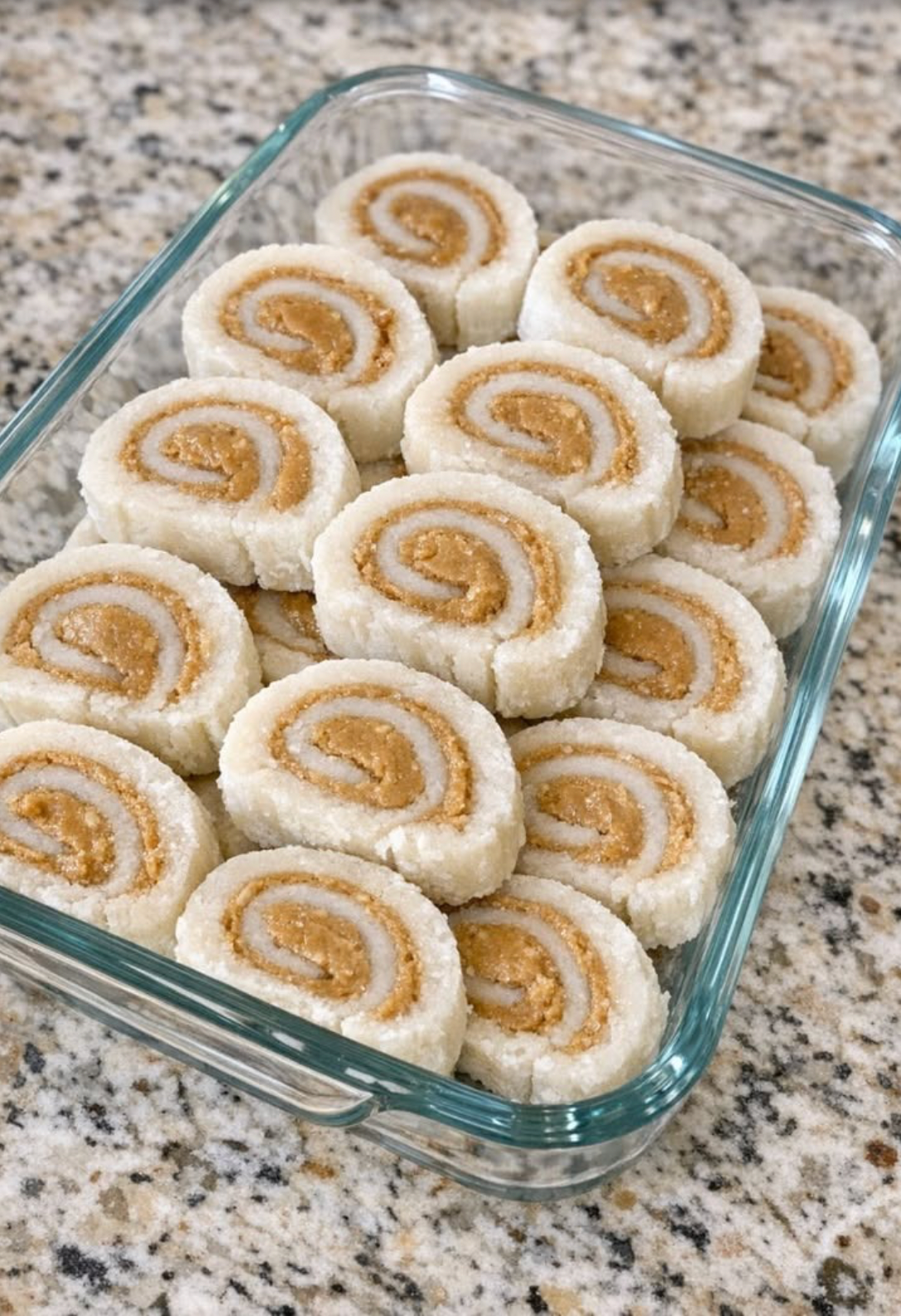
this humble treat transforms leftovers and pantry staples into elegant little spirals that look like something from an old-fashioned candy shop.
No oven.
No expensive ingredients.
No special equipment.
Just patience, a rolling pin, and the kind of kitchen ingenuity that defined generations who learned how to stretch every ingredient as far as possible.
The Origins of Potato Candy
Potato Candy became especially popular during:
- the Great Depression of the 1930s.
During this period, many families faced:
- unemployment
- food shortages
- financial hardship
- rationing habits
- strict budgeting.
Desserts and candies were considered luxuries, but people still craved:
- sweetness
- comfort
- celebration
- treats for children.
Resourceful home cooks discovered ways to create desserts from whatever was available.
Why Potatoes Were Used
Potatoes were:
- cheap
- filling
- widely available
- easy to grow
- and extremely versatile.
In many households, potatoes appeared at nearly every meal because they stretched food budgets effectively.
What made potato candy fascinating was that potatoes acted almost like a:
- moisture base
or - dough foundation.
When mixed with powdered sugar, mashed potatoes lose their savory identity almost completely.
The “Kitchen Magic” Transformation
One of the most surprising parts of the recipe is watching the transformation happen in real time.
At first, the mixture seems impossible:
- wet mashed potato
plus - sugar.
But as more powdered sugar is added, the potato mixture gradually changes into:
- soft dough
- pliable candy filling
- smooth sweet texture.
The starch in the potatoes combines with the sugar to create a candy-like consistency without baking.
For many children watching grandparents make this recipe, it felt like:
- edible chemistry
- old-fashioned magic
- or a secret family trick.
Why Powdered Sugar Matters
Powdered sugar works differently from regular granulated sugar because it:
- dissolves more easily
- creates smoother texture
- absorbs moisture efficiently.
It transforms the mashed potato into:
- workable dough
- soft fondant-like candy base.
The Role of Peanut Butter
Peanut butter provides:
- richness
- saltiness
- creaminess
- contrast to the sugary dough.
Without peanut butter, the candy would taste overwhelmingly sweet.
The salty-savory peanut flavor balances everything beautifully.
Why the Pinwheel Shape Became Famous
The classic preparation involves:
- rolling the potato dough flat
- spreading peanut butter across the surface
- rolling it into a log
- slicing spirals into pinwheels.
The result looks:
- elegant
- vintage
- bakery-style
- visually impressive despite minimal ingredients.
This made the candy feel special even during financially difficult times.
Why No-Bake Recipes Became Important
During the Depression and wartime years:
- fuel costs mattered
- ovens heated homes unnecessarily in summer
- convenience mattered greatly.
No-bake desserts saved:
- time
- money
- energy.
Potato candy became practical as well as comforting.
The Importance of Stretching Ingredients
Older generations often viewed waste very differently from modern culture.
Leftover mashed potatoes were not discarded casually—they were transformed.
Potato candy reflects a mindset built around:
- frugality
- creativity
- adaptability
- resourcefulness.
Why Families Still Love This Recipe
Even long after the Depression ended, families continued making potato candy because it became tied to:
- nostalgia
- childhood memories
- holidays
- reunions
- grandparents’ kitchens.
The emotional connection became just as important as the flavor itself.
The Texture of Potato Candy
People unfamiliar with potato candy are often surprised by the texture.
It is typically:
- soft
- creamy
- melt-in-your-mouth
- slightly chewy
- fondant-like.
The potato itself becomes nearly impossible to detect.
Does It Taste Like Potatoes?
Not really.
The potato acts more as:
- structure
- moisture source
- texture component.
Most people primarily taste:
- sweetness
- peanut butter
- vanilla notes if added.
Why Tiny Amounts of Potato Work Best
Traditional recipes often use surprisingly little potato.
Too much potato creates:
- excessive moisture
- sticky texture
- unstable dough.
A small amount is enough to bind enormous amounts of powdered sugar.
The Fascinating Sugar Ratio
One tiny mashed potato may absorb:
- several cups of powdered sugar.
This surprises many first-time cooks.
The starch absorbs sweetness while gradually forming workable candy dough.
Common Additions
Though the classic version uses only three ingredients, many families personalize it with:
- vanilla extract
- cocoa powder
- cinnamon
- chopped nuts
- coconut
- flavored peanut butter.
Still, purists often prefer the original.
Why Homemade Versions Feel Different
Homemade potato candy feels deeply personal because:
- every roll looks slightly different
- thickness varies
- spirals are imperfect
- family methods differ.
Those imperfections often become part of the charm.
The Nostalgia Factor
Foods connected to grandparents often carry emotional weight far beyond flavor.
Potato candy reminds many people of:
- simpler kitchens
- handwritten recipes
- crowded family tables
- holidays
- economic hardship overcome through love and creativity.
Why Children Love Watching It
The recipe is visually entertaining because people can literally watch:
- mashed potatoes disappear into sugar
- dough form unexpectedly
- spirals appear after slicing.
For children, the process feels almost unbelievable.
Why This Recipe Represents Survival Cooking
Depression-era recipes often reveal remarkable ingenuity.
Home cooks learned how to:
- replace expensive ingredients
- improvise desserts
- maximize leftovers
- create joy under difficult conditions.
Potato candy symbolizes that creativity beautifully.
The Emotional Meaning of “Miracle Recipes”
Older generations sometimes called recipes like this:
- miracle recipes
because they seemed to create abundance from scarcity.
Turning:
- leftover potato
into - candy for an entire family
felt extraordinary during hard times.
Why Recipes Like This Still Matter Today
Modern audiences are fascinated by vintage recipes because they offer:
- historical connection
- simplicity
- affordability
- nostalgia
- comfort.
In an era of expensive specialty desserts, humble recipes feel refreshing.
Storage and Serving
Potato candy is usually served:
- chilled or room temperature
- sliced into small rounds
- arranged on trays or dessert plates.
Because it is rich and sweet, small pieces go a long way.
Why the Candy “Disappears” at Gatherings
Potato candy often surprises guests because:
- curiosity makes people try it
- nostalgia keeps them returning
- the sweetness is addictive in small bites.
One tray can vanish quickly at:
- picnics
- reunions
- holiday gatherings.
The Psychology of Unexpected Foods
Part of the recipe’s appeal comes from contradiction.
People are fascinated that:
- potatoes
can become - candy.
Unexpected transformations make recipes memorable.
Texture vs Appearance
Potato candy looks:
- neat
- decorative
- bakery-like.
But its homemade softness gives it a comforting handmade feel.
That contrast adds to its charm.
The Difference Between Fancy and Meaningful
Potato candy reminds us that meaningful desserts do not require:
- expensive chocolate
- elaborate decorating
- gourmet ingredients.
Sometimes emotional history matters more than sophistication.
Why Vintage Recipes Continue Returning Online
Social media revived interest in:
- Depression-era cooking
- grandmother recipes
- no-bake treats
- old church cookbook desserts.
People crave recipes that feel:
emotionally grounded.
authentic
personal
Welcome to my kitchen!
I’m a passionate home cook and recipe creator who loves turning simple ingredients into delicious, comforting meals that everyone can enjoy. Through this website, I share carefully prepared recipes, practical cooking tips, and easy-to-understand food education to help you feel more confident in the kitchen.
My goal is to make cooking simple, enjoyable, and accessible. Whether you are looking for a quick family dinner, a delicious dessert, healthy meal ideas, or traditional recipes with a modern touch, you’ll find inspiration here.
More Than Just Recipes
I believe that cooking is also a way to learn. That’s why this website is not only about recipes. I also create educational articles about ingredients, cooking techniques, kitchen tips, food preparation, and the stories behind different dishes.
Each article is designed to give you useful knowledge that you can apply in your own kitchen. From understanding how ingredients work together to learning better cooking methods, my aim is to help you become a more confident and creative cook.
My Philosophy
Good food doesn’t always require complicated ingredients or professional equipment. With a little knowledge, patience, and creativity, simple ingredients can become something truly special.
I believe in sharing recipes that are practical, clearly explained, and enjoyable to make. I also love exploring new flavors while appreciating traditional cooking and the recipes passed down through generations.
Thank you for visiting my kitchen and being part of this food-loving community. I hope my recipes and articles inspire you to cook, learn, experiment, and most importantly, enjoy every bite!
Happy cooking!