There is something incredibly comforting about walking into a home that smells fresh, clean, and inviting. Pleasant scents can instantly create a welcoming atmosphere, making your home feel more relaxing, cozy, and enjoyable for both your family and your guests. While scented candles, plug-in air fresheners, and commercial fabric sprays are popular choices, they can be expensive over time and may contain artificial fragrances or ingredients that some people prefer to avoid.
Fortunately, making your own fabric freshener at home is simple, affordable, and highly customizable. With just a few everyday ingredients, you can create a refreshing spray that helps fabrics smell cleaner between washes while adding your favorite natural fragrance to your living space. Whether you want to freshen sofas, curtains, cushions, rugs, bedding, or even your car upholstery, this DIY fabric freshener is an easy project that can become part of your regular home-care routine.
This guide explains everything you need to know, from selecting ingredients and mixing the solution to using it safely and getting the best results.
Why Make Your Own Fabric Freshener?
Commercial fabric sprays are convenient, but making your own offers several advantages.
A homemade fabric freshener allows you to:
- Customize the fragrance to suit your personal preferences.
- Control the ingredients you use.
- Reduce plastic waste by reusing spray bottles.
- Save money compared with repeatedly purchasing commercial products.
- Create different seasonal scents for your home.
- Refresh fabrics quickly between regular washings.
Although a fabric freshener can help reduce light odors and leave fabrics smelling pleasant, it is not a substitute for proper cleaning or laundering when fabrics are heavily soiled.
Basic DIY Fabric Freshener Recipe
One simple recipe includes:
Ingredients
- 2 cups (about 480 ml) distilled water
- 2 tablespoons rubbing alcohol or plain vodka (helps disperse fragrance and speeds drying)
- 1 tablespoon baking soda (helps reduce mild odors)
- 15–20 drops of your favorite essential oil or fragrance oil (optional, for scent)
Equipment
- One clean spray bottle (preferably glass or high-quality plastic)
- Measuring cups and spoons
- Small funnel (optional, for easier pouring)
How to Make It
Add the distilled water to the spray bottle first.
Next, add the rubbing alcohol or vodka. This helps distribute the fragrance more evenly throughout the mixture and can help the spray dry more quickly on fabrics.
Add the baking soda. If it does not dissolve immediately, shake the bottle gently until it is well mixed.
Finally, add your chosen essential oil or fragrance oil. Close the bottle tightly and shake well before each use, as some ingredients may naturally separate over time.
Your homemade fabric freshener is now ready to use.
Why These Ingredients Work
Each ingredient serves a specific purpose.
Distilled Water
Distilled water helps reduce mineral buildup that can occur with hard tap water. It also extends the freshness of the mixture compared with untreated water.
Baking Soda
Baking soda is well known for helping neutralize many everyday household odors rather than simply covering them with fragrance.
Alcohol
Alcohol helps disperse fragrance oils throughout the spray and evaporates quickly after application, helping fabrics dry faster.
Essential Oils
Essential oils provide natural fragrance and allow you to personalize your home’s scent. If you choose to use them, be aware that some essential oils may not be suitable around certain pets, particularly cats and birds, or for individuals with fragrance sensitivities.
Popular Fragrance Combinations
One of the biggest advantages of making your own spray is creating custom scent blends.
Some popular combinations include:
Fresh Linen
- Lavender
- Lemon
- Bergamot
Relaxing Bedroom Blend
- Lavender
- Chamomile
- Cedarwood
Citrus Fresh
- Sweet orange
- Grapefruit
- Lemon
Cozy Autumn
- Cinnamon leaf
- Clove
- Vanilla fragrance oil
Winter Holiday
- Pine
- Cedarwood
- Orange
Floral Garden
- Rose
- Geranium
- Jasmine fragrance oil
Where You Can Use Fabric Freshener
This spray works well on many household fabrics, including:
- Sofas
- Upholstered chairs
- Decorative cushions
- Curtains
- Blankets
- Bedspreads
- Comforters
- Rugs
- Carpeted stairs
- Fabric headboards
- Pet beds (only if ingredients are safe for your pets)
- Car seats
- Fabric storage bins
Always allow fabrics to dry completely before use.
Test Before Spraying
Not all fabrics react the same way.
Before using the spray on a large area:
- Spray a small hidden section.
- Allow it to dry completely.
- Check for discoloration, staining, or water marks.
This simple step helps prevent accidental damage, especially on delicate or specialty fabrics.
Tips for Best Results
Use the spray lightly rather than soaking fabrics.
Hold the bottle about 20–30 centimeters (8–12 inches) away from the fabric to create a fine mist.
Spray in a well-ventilated room.
Allow fabrics to air dry naturally.
Shake the bottle before every use to redistribute the ingredients.
Keep Your Home Smelling Fresh Longer
Fabric freshener works best as part of an overall cleaning routine.
Additional ways to maintain a pleasant-smelling home include:
- Vacuum carpets regularly.
- Wash bedding frequently.
- Clean pet bedding often.
- Empty trash bins before odors develop.
- Open windows for fresh air whenever weather permits.
- Clean upholstery according to the manufacturer’s instructions.
- Remove spills promptly.
- Wash curtains periodically.
- Replace HVAC filters as recommended.
- Keep shoes organized near entryways.
Fresh-smelling fabrics combined with regular cleaning create a noticeably more inviting home.
Storage Tips
Store your DIY fabric freshener in a cool, dry place away from direct sunlight.
If you are using essential oils, keeping the bottle out of strong sunlight helps preserve the fragrance for longer.
For the best quality, prepare small batches that can be used within a few weeks, especially if you are not using preservatives.
If the mixture develops an unusual odor, cloudiness, or visible mold, discard it and make a fresh batch.
Common Mistakes to Avoid
Avoid these common errors:
- Using too much essential oil.
- Spraying delicate fabrics without testing first.
- Soaking upholstery instead of lightly misting it.
- Forgetting to shake the bottle before use.
- Using the spray as a substitute for washing dirty fabrics.
- Storing the mixture in direct sunlight.
Small adjustments can make a significant difference in performance and safety.
Frequently Asked Questions
Can I use tap water?
Distilled water is generally recommended because it contains fewer minerals and impurities that may affect the mixture over time.
Will it remove stains?
No. This spray is designed to freshen fabrics and reduce light odors. It is not intended to remove stains or replace proper cleaning.
Is it safe for all fabrics?
Most durable household fabrics tolerate a light mist well, but delicate materials such as silk, velvet, or fabrics labeled “dry clean only” should be treated with extra caution. Always test first and follow the manufacturer’s care instructions.
Can I use it around pets?
Some fragrances and essential oils can be harmful to certain pets. If you have animals in your home, especially cats, birds, or small mammals, research the safety of any essential oils you plan to use or choose an unscented version.
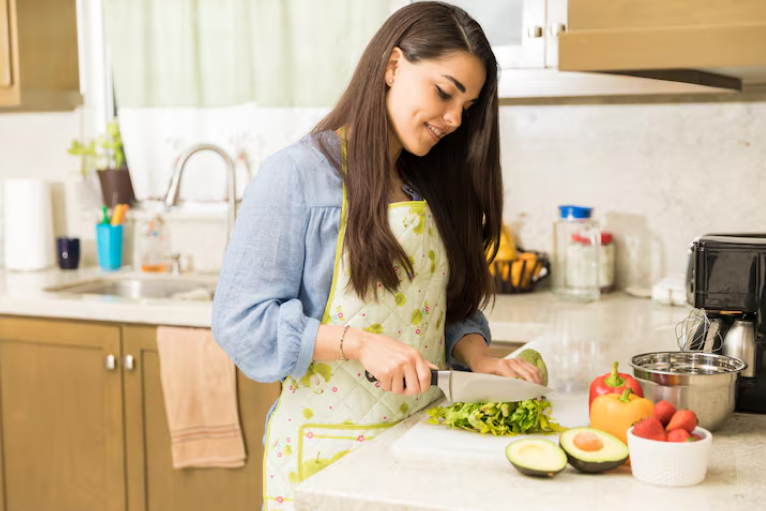
Welcome to my kitchen!
I’m a passionate home cook and recipe creator who loves turning simple ingredients into delicious, comforting meals that everyone can enjoy. Through this website, I share carefully prepared recipes, practical cooking tips, and easy-to-understand food education to help you feel more confident in the kitchen.
My goal is to make cooking simple, enjoyable, and accessible. Whether you are looking for a quick family dinner, a delicious dessert, healthy meal ideas, or traditional recipes with a modern touch, you’ll find inspiration here.
More Than Just Recipes
I believe that cooking is also a way to learn. That’s why this website is not only about recipes. I also create educational articles about ingredients, cooking techniques, kitchen tips, food preparation, and the stories behind different dishes.
Each article is designed to give you useful knowledge that you can apply in your own kitchen. From understanding how ingredients work together to learning better cooking methods, my aim is to help you become a more confident and creative cook.
My Philosophy
Good food doesn’t always require complicated ingredients or professional equipment. With a little knowledge, patience, and creativity, simple ingredients can become something truly special.
I believe in sharing recipes that are practical, clearly explained, and enjoyable to make. I also love exploring new flavors while appreciating traditional cooking and the recipes passed down through generations.
Thank you for visiting my kitchen and being part of this food-loving community. I hope my recipes and articles inspire you to cook, learn, experiment, and most importantly, enjoy every bite!
Happy cooking!