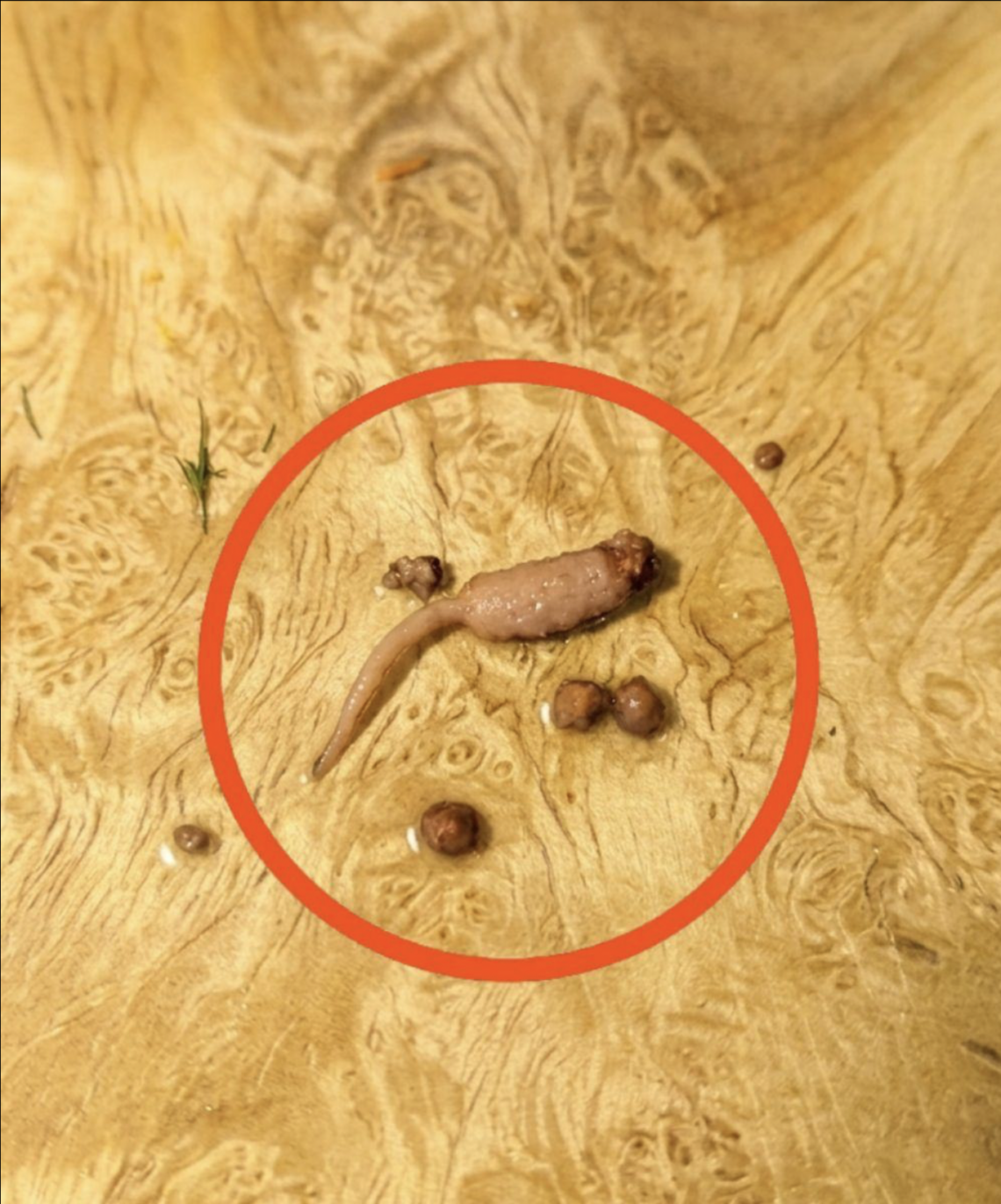
Finding something unexpected in your food is always an uncomfortable experience—especially when it happens with something as familiar as ground beef. One moment you’re preparing a normal meal, browning meat in a pan, stirring it as it cooks, and focusing on dinner. Then suddenly, something catches your eye.
A piece that doesn’t look like meat.
It may seem harder, darker, lighter, rubbery, or simply “wrong.” Your first reaction is often confusion, followed quickly by concern. Is it safe? Is the entire package contaminated? Should you throw everything away? These are natural reactions, because food safety is something we rely on every day without thinking about it.
The good news is that in most cases, strange pieces found in ground beef are not dangerous—but they do have explanations. Understanding what they are and where they come from can help you stay calm and make informed decisions.
Why Ground Beef Can Sometimes Contain Unusual Pieces
Ground beef is not a uniform product. Unlike a whole steak, it is made by processing many cuts of meat together and grinding them into a single mixture.
During this process:
- different cuts are combined
- fat and muscle are blended
- trimming from various sections is used
- connective tissues may be included
Even in high-quality processing systems, small variations can sometimes appear in the final product.
That means ground beef can occasionally contain:
- small pieces of connective tissue
- bits of cartilage
- tougher muscle fragments
- fat clusters
- sinew or tendon pieces
Most of these are completely harmless but may feel unfamiliar when cooked.
Common Strange Things You Might Find in Ground Beef
1. Connective Tissue or Silver Skin
One of the most common surprises is a thin, rubbery, or slightly tough piece of connective tissue.
It may:
- feel chewy or elastic
- appear whitish or gray
- not break apart like normal meat
This comes from natural parts of the animal that are sometimes included during grinding.
2. Cartilage Pieces
Cartilage is another natural component of animal tissue.
It may look:
- slightly translucent
- off-white
- firm or crunchy when cooked
It often comes from joints or areas near bones.
3. Small Bone Fragments
In rare cases, tiny bone fragments may remain in ground meat.
These usually occur during mechanical processing.
They may feel:
- hard
- sharp
- unexpected when chewing
Modern food safety standards try to minimize this, but very small fragments can still occasionally appear.
4. Fat Clumps
Not all fat blends evenly during grinding.
Sometimes you may notice:
- soft white chunks
- greasy or waxy textures
- areas that melt differently than surrounding meat
These are simply fat deposits that did not fully break down.
5. Dark or Discolored Bits
Color variations can appear due to:
- oxidation (exposure to air)
- different muscle types
- variations in freshness
Darker spots are not necessarily dangerous—they often reflect natural differences in meat composition.
6. Foreign Material (Rare Cases)
Very rarely, non-meat material can end up in packaged food.
This could include:
- plastic fragments
- packaging material
- processing equipment residue
While extremely uncommon due to strict regulations, this is the type of situation where returning the product is appropriate.
Is It Dangerous to Eat?
In most cases, no.
If the strange piece is:
- soft or rubbery tissue
- fat or connective tissue
- cartilage
it is typically harmless, just unexpected in texture.
However, you should be more cautious if:
- the piece is hard and sharp
- it looks clearly unnatural or plastic-like
- it has an unusual chemical smell
- multiple packages from the same batch show issues
When in doubt, it is always better to avoid consuming it and report it to the store or supplier.
Why This Happens in the First Place
Ground beef production is a complex industrial process.
Even under strict quality control, factors such as:
- high-speed processing
- large-scale production
- trimming from different parts of the animal
- mechanical grinding systems
can lead to small inconsistencies.
Think of it like blending ingredients: even when everything is well mixed, tiny variations can still appear in the final product.
How to Inspect Ground Beef Before Cooking
To reduce surprises, you can check meat before cooking:
1. Visual inspection
Look for unusual colors or textures before heating.
2. Smell test
Fresh ground beef should have a mild or neutral smell.
3. Break it apart
Check for hard or non-meat fragments before cooking.
4. Buy from trusted sources
Quality and handling matter significantly.
How to Handle It When You Find Something Strange
If you discover an unusual piece while cooking:
Step 1: Pause cooking
Stop and examine the object carefully.
Step 2: Identify it if possible
Try to determine if it is fat, cartilage, or something unfamiliar.
Step 3: Decide whether to continue
If it appears normal tissue, you can usually continue cooking.
If it looks suspicious or foreign, discard the affected portion.
Step 4: Report if necessary
If you believe there is contamination, contact the store or supplier.
How to Reduce the Risk in the Future
While you cannot completely control industrial processing, you can reduce the chances of encountering unwanted pieces by:
- choosing high-quality or trusted brands
- avoiding extremely cheap meat sources
- checking packaging integrity
- storing meat properly at safe temperatures
- using it before expiration dates
Why This Experience Feels So Unsettling
There is also a psychological side to this reaction.
Ground beef is:
- familiar
- routine
- predictable
So when something unexpected appears, it breaks that sense of trust.
Our brains are naturally sensitive to:
- unusual textures
- unexpected colors
- unfamiliar materials in food
This is a protective instinct designed to keep us safe.

Welcome to my kitchen!
I’m a passionate home cook and recipe creator who loves turning simple ingredients into delicious, comforting meals that everyone can enjoy. Through this website, I share carefully prepared recipes, practical cooking tips, and easy-to-understand food education to help you feel more confident in the kitchen.
My goal is to make cooking simple, enjoyable, and accessible. Whether you are looking for a quick family dinner, a delicious dessert, healthy meal ideas, or traditional recipes with a modern touch, you’ll find inspiration here.
More Than Just Recipes
I believe that cooking is also a way to learn. That’s why this website is not only about recipes. I also create educational articles about ingredients, cooking techniques, kitchen tips, food preparation, and the stories behind different dishes.
Each article is designed to give you useful knowledge that you can apply in your own kitchen. From understanding how ingredients work together to learning better cooking methods, my aim is to help you become a more confident and creative cook.
My Philosophy
Good food doesn’t always require complicated ingredients or professional equipment. With a little knowledge, patience, and creativity, simple ingredients can become something truly special.
I believe in sharing recipes that are practical, clearly explained, and enjoyable to make. I also love exploring new flavors while appreciating traditional cooking and the recipes passed down through generations.
Thank you for visiting my kitchen and being part of this food-loving community. I hope my recipes and articles inspire you to cook, learn, experiment, and most importantly, enjoy every bite!
Happy cooking!