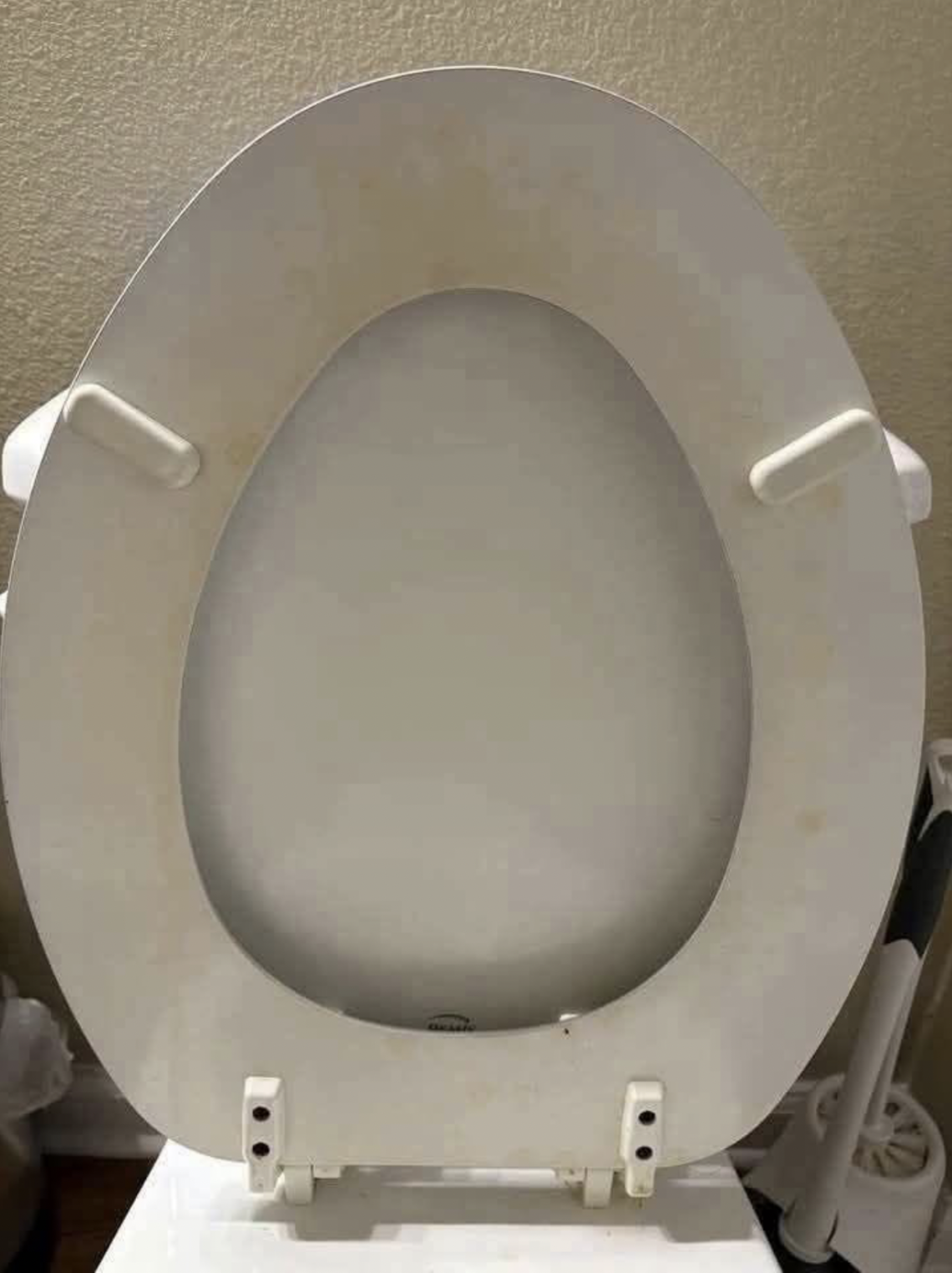
Keeping a bathroom clean is one of the most important parts of maintaining a healthy and comfortable home. While sinks, mirrors, and floors often receive regular attention, the toilet seat is one area that can develop stubborn stains over time, even when it is cleaned frequently. These discolorations can be frustrating because they often remain despite repeated scrubbing, leaving the toilet looking older and less hygienic than it actually is.
Fortunately, most toilet seat stains can be removed safely using the right cleaning methods, a little patience, and a few common household products. Whether the stains are caused by hard water minerals, soap residue, body oils, cleaning product buildup, or everyday use, understanding what caused them is the first step toward removing them effectively without damaging the toilet seat.
This comprehensive guide explains why toilet seat stains develop, how to identify different types of stains, which cleaning methods work best, how to protect different toilet seat materials, and the best habits to prevent future discoloration.
Why Toilet Seats Develop Stains
Even bathrooms that are cleaned regularly can develop stains over time. Unlike the porcelain bowl, most toilet seats are made from plastic, molded wood, or resin-coated materials that react differently to moisture, heat, cleaning chemicals, and everyday use.
Several factors contribute to staining:
- Hard water deposits
- Mineral buildup
- Soap residue
- Body oils
- Sweat
- Cleaning product residue
- Humidity
- Mold or mildew
- Yellowing caused by age
- Plastic oxidation
- Dye transfer from clothing
- Cosmetic products
- Hair dye
- Certain medications or supplements
- Exposure to direct sunlight
Some stains are simply surface discoloration, while others may indicate that the material itself has aged or deteriorated.
Understanding Different Types of Toilet Seat Stains
Knowing the source of the stain helps determine the most effective cleaning method.
Yellow Stains
Yellow stains are among the most common.
Possible causes include:
- Natural aging of plastic
- Body oils
- Hard water minerals
- Residue from cleaning products
- Sunlight exposure
Older white plastic seats often develop a yellow tint that cannot always be completely reversed if the plastic has chemically changed over time.
Brown or Rust-Colored Stains
These usually indicate:
- Iron in hard water
- Mineral deposits
- Rust from metal hardware
- Water dripping from nearby fixtures
These stains typically respond well to mild acidic cleaners designed to dissolve mineral buildup.
Gray or Black Marks
Dark stains may result from:
- Mold
- Mildew
- Rubber transfer
- Dirt buildup
- Dust mixed with moisture
Bathrooms with poor ventilation are more likely to develop mildew stains.
Pink or Orange Residue
This is commonly caused by airborne bacteria that thrive in moist environments rather than by mold.
Although unsightly, it is generally removed with regular disinfecting cleaners.
Before You Start Cleaning
Gather the following supplies:
- Rubber gloves
- Soft microfiber cloths
- Soft sponge
- Non-scratch cleaning pad
- Baking soda
- Mild dish soap
- White vinegar
- Hydrogen peroxide (3%)
- Warm water
- Spray bottle
- Soft toothbrush
- Paper towels
Avoid using abrasive steel wool or metal scrubbers, which can permanently scratch plastic surfaces.
Step 1: Identify the Toilet Seat Material
Different materials require different care.
Plastic Seats
Most common today.
Generally resistant to water but can scratch easily.
Molded Wood Seats
Often coated with enamel or resin.
Avoid soaking these in excessive water.
Resin Decorative Seats
Usually durable but may become cloudy if cleaned with harsh chemicals.
Always test cleaners on a hidden area first.
Step 2: Perform a Basic Cleaning
Before treating stubborn stains, remove ordinary dirt.
Mix:
- Warm water
- A few drops of dish soap
Use a soft cloth or sponge to wipe:
- Top
- Bottom
- Hinges
- Edges
Dry thoroughly.
Sometimes what appears to be a stain is simply accumulated grime.
Method 1: Baking Soda Paste
One of the safest methods.
You’ll Need
- ½ cup baking soda
- Small amount of water
Mix into a thick paste.
Spread over stained areas.
Let sit for:
20–30 minutes.
Gently scrub using a soft cloth or toothbrush.
Rinse with warm water.
Dry completely.
Baking soda works as a gentle abrasive that removes stains without scratching most surfaces.
Method 2: White Vinegar
Excellent for:
- Hard water stains
- Mineral deposits
- Soap buildup
Spray white vinegar directly onto the stain.
Allow it to sit for:
15–20 minutes.
Wipe clean with a damp cloth.
Repeat if necessary.
Never mix vinegar with bleach or products containing bleach.
Method 3: Hydrogen Peroxide
Hydrogen peroxide works well on:
- Organic stains
- Yellow discoloration
- Mild mildew
Soak paper towels in hydrogen peroxide.
Lay them over stained areas.
Allow them to remain for:
30–60 minutes.
Remove.
Wipe clean.
Rinse thoroughly.
Hydrogen peroxide may also help brighten white plastic surfaces.
Method 4: Baking Soda and Hydrogen Peroxide
For particularly stubborn stains.
Mix:
- Baking soda
- Hydrogen peroxide
Into a thick paste.
Apply.
Leave for:
30–45 minutes.
Scrub gently.
Rinse well.
Dry.
This combination is often more effective than either ingredient alone.
Method 5: Mild Cream Cleanser
Some non-abrasive cream bathroom cleaners work well on older stains.
Use only products labeled safe for plastic.
Apply with a soft cloth.
Never use excessive force while scrubbing.
Cleaning Around Hinges
The hinges often collect hidden dirt.
Lift the seat if possible.
Use:
- Toothbrush
- Cotton swabs
- Mild soap
Remove accumulated debris carefully.
Dry completely before lowering the seat.
What If the Stains Won’t Come Out?
Sometimes the issue isn’t actually dirt.
Plastic toilet seats naturally age.
Exposure to:
- UV light
- Heat
- Cleaning chemicals
- Oxygen
can permanently discolor the material.
If the surface itself has yellowed, cleaning may improve the appearance but cannot fully restore the original color.
In these cases, replacing the toilet seat may be the simplest and most cost-effective solution.
Cleaning Products to Avoid
Some products can damage toilet seats.
Avoid:
- Steel wool
- Wire brushes
- Abrasive scouring powders
- Concentrated bleach left for long periods
- Acetone
- Paint thinner
- Strong solvents
- Undiluted industrial cleaners
These may:
- Scratch
- Fade
- Crack
- Weaken
- Discolor
plastic and coated wood surfaces.
Disinfecting After Cleaning
Once stains are removed:
Use a disinfectant labeled safe for bathroom surfaces.
Follow the product’s instructions regarding contact time.
Wipe dry afterward.
This removes bacteria while helping keep the surface fresh.
Preventing Future Stains
Regular maintenance prevents stubborn buildup.
Clean Weekly
A quick wipe each week prevents residue from becoming permanent.
Dry After Cleaning
Standing moisture encourages mineral deposits and mildew.
Improve Ventilation
Run the bathroom fan after showers.
Open windows when possible.
Lower humidity slows mold growth.
Wipe Spills Immediately
Hair dye, cosmetics, nail polish remover, and colored soaps may stain if left sitting.
Avoid Harsh Chemicals
Gentle cleaners used regularly are often more effective than aggressive chemicals used occasionally.
Inspect Hinges
Clean underneath the hinges every few weeks.
This prevents hidden buildup.
Frequently Asked Questions
Can bleach remove toilet seat stains?
Bleach disinfects well but isn’t always effective on mineral deposits or aged plastic. Prolonged exposure can also weaken or discolor some toilet seat materials, so it should be used carefully and according to the manufacturer’s directions.
Why does my toilet seat keep turning yellow?
Common reasons include:
- Plastic aging
- Sunlight exposure
- Body oils
- Heat
- Chemical reactions
- Hard water
Sometimes the yellowing is permanent.
Can magic erasers be used?
They may remove surface marks, but because they are mildly abrasive, repeated use can dull or scratch glossy finishes. Test on an inconspicuous area first.
Is vinegar safe for plastic?
Generally yes, when used for short periods and rinsed afterward. Avoid prolonged soaking and always follow the toilet seat manufacturer’s care instructions.
How often should a toilet seat be cleaned?
For most households:
- Light cleaning: once or twice per week
- Disinfecting: weekly or as needed
- Deep cleaning around hinges: monthly
Homes with more occupants or higher bathroom use may benefit from more frequent cleaning.

Welcome to my kitchen!
I’m a passionate home cook and recipe creator who loves turning simple ingredients into delicious, comforting meals that everyone can enjoy. Through this website, I share carefully prepared recipes, practical cooking tips, and easy-to-understand food education to help you feel more confident in the kitchen.
My goal is to make cooking simple, enjoyable, and accessible. Whether you are looking for a quick family dinner, a delicious dessert, healthy meal ideas, or traditional recipes with a modern touch, you’ll find inspiration here.
More Than Just Recipes
I believe that cooking is also a way to learn. That’s why this website is not only about recipes. I also create educational articles about ingredients, cooking techniques, kitchen tips, food preparation, and the stories behind different dishes.
Each article is designed to give you useful knowledge that you can apply in your own kitchen. From understanding how ingredients work together to learning better cooking methods, my aim is to help you become a more confident and creative cook.
My Philosophy
Good food doesn’t always require complicated ingredients or professional equipment. With a little knowledge, patience, and creativity, simple ingredients can become something truly special.
I believe in sharing recipes that are practical, clearly explained, and enjoyable to make. I also love exploring new flavors while appreciating traditional cooking and the recipes passed down through generations.
Thank you for visiting my kitchen and being part of this food-loving community. I hope my recipes and articles inspire you to cook, learn, experiment, and most importantly, enjoy every bite!
Happy cooking!