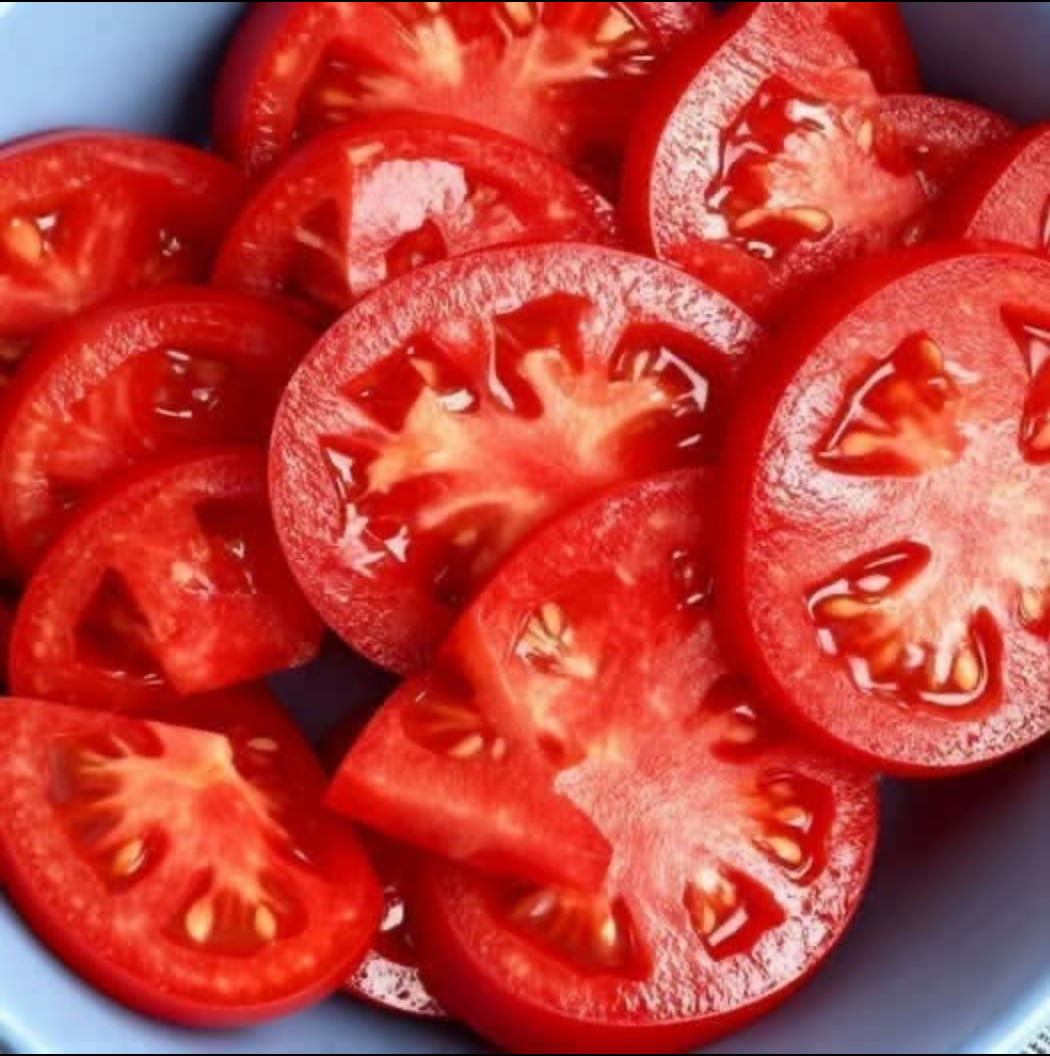
Tomatoes are among the most versatile, colorful, and widely enjoyed foods in the world. Whether sliced into a fresh summer salad, simmered into a rich pasta sauce, blended into a comforting soup, or simply enjoyed with a sprinkle of salt and olive oil, tomatoes have earned a permanent place in kitchens across nearly every culture. Their bright color, refreshing taste, and remarkable adaptability make them a favorite ingredient for both home cooks and professional chefs.
Beyond their culinary appeal, tomatoes have long been recognized for their impressive nutritional profile. Rich in vitamins, minerals, antioxidants, and plant compounds, they contribute to a balanced diet and can be enjoyed in countless delicious ways. From fresh garden tomatoes picked at the height of summer to canned tomatoes that bring convenience year-round, this humble fruit offers both exceptional flavor and meaningful nutritional value.
Interestingly, although tomatoes are commonly treated as vegetables in cooking, they are botanically classified as fruits because they develop from the flower of the tomato plant and contain seeds. Regardless of classification, their role in everyday meals is undeniable. They are one of the world’s most consumed produce items and form the foundation of countless traditional dishes from Italy, Mexico, Spain, India, the Middle East, and many other regions.
This comprehensive guide explores everything you need to know about tomatoes—from their nutritional benefits and culinary uses to proper storage, cooking techniques, and practical ways to incorporate them into a healthy lifestyle.
A Brief History of Tomatoes
Tomatoes originated in western South America, particularly in regions that are now part of Peru and Ecuador. Indigenous peoples cultivated early varieties long before European explorers arrived in the Americas.
Later, tomatoes spread throughout Central America and Mexico, where they became an important part of local cuisine. Following European exploration of the Americas in the 16th century, tomatoes were introduced to Europe. At first, many people were hesitant to eat them because they belonged to the nightshade family, which also includes some poisonous plants.
Over time, however, tomatoes gained widespread acceptance, especially in Mediterranean countries. Today, they are indispensable in cuisines around the globe and are cultivated in hundreds of varieties, each with unique colors, sizes, flavors, and textures.
Nutritional Profile
Tomatoes are naturally low in calories while providing a wide range of nutrients.
One medium tomato contains approximately:
- Calories: 22
- Water: About 95%
- Carbohydrates: 5 grams
- Fiber: 1.5 grams
- Protein: 1 gram
- Fat: Less than 0.5 grams
They also provide important vitamins and minerals, including:
- Vitamin C
- Vitamin A (through beta-carotene)
- Vitamin K
- Potassium
- Folate
In addition, tomatoes contain beneficial plant compounds such as:
- Lycopene
- Beta-carotene
- Lutein
- Zeaxanthin
- Chlorogenic acid
These naturally occurring compounds contribute to the fruit’s vibrant color and nutritional value.
The Power of Lycopene
Perhaps the most well-known nutrient found in tomatoes is lycopene.
Lycopene is a naturally occurring antioxidant responsible for the deep red color of ripe tomatoes. Antioxidants help protect cells from damage caused by unstable molecules known as free radicals, which are produced naturally in the body and can also result from environmental factors such as pollution, ultraviolet light, and smoking.
One interesting aspect of lycopene is that the body often absorbs it more efficiently from cooked tomatoes than from raw ones. Cooking breaks down the tomato’s cell walls, making lycopene more available. Pairing cooked tomatoes with a small amount of healthy fat—such as olive oil—can further improve absorption because lycopene is fat-soluble.
Rich in Vitamin C
Tomatoes are a good source of vitamin C, an essential nutrient that plays many important roles in the body.
Vitamin C contributes to:
- Normal immune system function
- Collagen production for healthy skin and connective tissues
- Wound healing
- Protection of cells from oxidative stress
- Improved absorption of iron from plant-based foods
Because vitamin C is sensitive to heat, fresh tomatoes generally contain more vitamin C than tomatoes that have been cooked for long periods.
A Source of Vitamin A
Tomatoes contain beta-carotene, a pigment that the body can convert into vitamin A.
Vitamin A supports:
- Normal vision
- Immune function
- Healthy skin
- Growth and development
- Maintenance of mucous membranes
The bright red, orange, and yellow colors found in different tomato varieties reflect varying amounts of carotenoids, including beta-carotene.
Potassium for Everyday Nutrition
Tomatoes provide potassium, a mineral involved in several important body functions.
Potassium helps support:
- Normal muscle function
- Nerve signaling
- Fluid balance
- Heart function
Most people do not consume enough potassium, making tomatoes one of many nutritious foods that can contribute to meeting daily needs.
Naturally Hydrating
Because tomatoes are composed of approximately 95 percent water, they can contribute to daily fluid intake.
Their high water content makes them:
- Refreshing in warm weather
- Filling without being high in calories
- Ideal for salads, sandwiches, and light meals
While tomatoes should not replace drinking water, they can be part of a well-hydrated diet.
Dietary Fiber
Tomatoes contain dietary fiber, which supports healthy digestion and contributes to feelings of fullness after meals.
Although tomatoes are not among the highest-fiber foods, every serving contributes toward daily fiber intake, especially when combined with other fruits, vegetables, legumes, and whole grains.
Fresh vs. Cooked Tomatoes
Both fresh and cooked tomatoes have nutritional advantages.
Fresh Tomatoes
Fresh tomatoes offer:
- Crisp texture
- High vitamin C content
- Bright, refreshing flavor
- Ideal for salads and sandwiches
Cooked Tomatoes
Cooking tomatoes:
- Increases lycopene availability
- Creates richer flavors
- Forms the base of countless sauces and soups
Examples include:
- Tomato sauce
- Marinara
- Tomato soup
- Stews
- Chili
Neither form is inherently better—they simply offer different benefits.
Popular Tomato Varieties
Tomatoes come in many shapes and sizes.
Cherry Tomatoes
Small, sweet, and juicy.
Perfect for:
- Salads
- Snacking
- Roasting
Grape Tomatoes
Firm with slightly thicker skins.
Excellent for lunch boxes and quick snacks.
Roma Tomatoes
Meaty with fewer seeds.
Ideal for:
- Sauces
- Canning
- Roasting
Beefsteak Tomatoes
Large and juicy.
Best for:
- Sandwiches
- Burgers
- Thick slices
Heirloom Tomatoes
Known for unique colors, shapes, and complex flavors.
Often used fresh where their distinctive taste can shine.
Delicious Ways to Enjoy Tomatoes
Tomatoes fit naturally into nearly any meal.
Breakfast:
- Omelets
- Breakfast wraps
- Avocado toast
- Scrambled eggs
Lunch:
- Salads
- Sandwiches
- Wraps
- Soups
Dinner:
- Pasta sauces
- Pizza
- Casseroles
- Stir-fries
- Curry dishes
Snacks:
- Cherry tomatoes with hummus
- Tomato slices with mozzarella
- Salsa with whole-grain crackers
Pairing Tomatoes with Healthy Fats
Because lycopene is fat-soluble, pairing tomatoes with healthy fats may improve its absorption.
Good combinations include:
- Olive oil
- Avocado
- Nuts
- Seeds
- Cheese in moderation
A simple tomato salad with olive oil is both flavorful and nutritionally balanced.
Choosing the Best Tomatoes
When shopping, look for tomatoes that are:
- Firm but not hard
- Brightly colored
- Free from large bruises or mold
- Heavy for their size
- Fragrant near the stem
Tomatoes continue to ripen after harvest, so slightly underripe tomatoes can often be left at room temperature until fully ripe.
Proper Storage
Store unripe tomatoes at room temperature away from direct sunlight.
Once ripe:
- Eat within several days for best flavor.
- Refrigeration can extend freshness, though it may slightly affect texture. If refrigerated, allowing tomatoes to return to room temperature before serving can help restore some of their flavor.
Freezing Tomatoes
Tomatoes freeze well for cooking.
Simply:
- Wash them
- Remove stems
- Freeze whole or chopped
After thawing, their texture becomes softer, making them ideal for sauces and soups rather than fresh salads.
Growing Tomatoes at Home
Tomatoes are among the most popular home garden plants.
They require:
- Plenty of sunlight
- Well-draining soil
- Consistent watering
- Support from stakes or cages
Many gardeners enjoy harvesting tomatoes directly from the vine because vine-ripened tomatoes often have exceptional flavor.
Common Myths About Tomatoes
Myth: Tomatoes are vegetables.
Botanically, they are fruits because they develop from flowers and contain seeds. In culinary use, however, they are treated as vegetables.
Myth: Cooked tomatoes are less nutritious.
Cooking reduces some heat-sensitive nutrients like vitamin C but increases the availability of lycopene. Both fresh and cooked tomatoes can be part of a healthy diet.
Myth: Bigger tomatoes always taste better.
Flavor depends more on variety, ripeness, and growing conditions than on size alone.
Frequently Asked Questions
Can you eat tomatoes every day?
For most people, tomatoes can be enjoyed regularly as part of a varied and balanced diet. Individual dietary needs vary, so anyone with specific medical conditions or dietary restrictions should follow guidance from their healthcare professional.
Are canned tomatoes healthy?
Yes. Canned tomatoes can be a convenient option and still provide beneficial nutrients, including lycopene. Choosing varieties with no added salt can help reduce sodium intake if desired.
Should tomatoes be peeled?
Not necessarily. The skin contains fiber and nutrients. Peeling is mainly a matter of texture preference or recipe requirements.
Can green tomatoes be eaten?
Yes, when properly prepared. Green tomatoes are commonly used in recipes such as fried green tomatoes, relishes, and chutneys.

Welcome to my kitchen!
I’m a passionate home cook and recipe creator who loves turning simple ingredients into delicious, comforting meals that everyone can enjoy. Through this website, I share carefully prepared recipes, practical cooking tips, and easy-to-understand food education to help you feel more confident in the kitchen.
My goal is to make cooking simple, enjoyable, and accessible. Whether you are looking for a quick family dinner, a delicious dessert, healthy meal ideas, or traditional recipes with a modern touch, you’ll find inspiration here.
More Than Just Recipes
I believe that cooking is also a way to learn. That’s why this website is not only about recipes. I also create educational articles about ingredients, cooking techniques, kitchen tips, food preparation, and the stories behind different dishes.
Each article is designed to give you useful knowledge that you can apply in your own kitchen. From understanding how ingredients work together to learning better cooking methods, my aim is to help you become a more confident and creative cook.
My Philosophy
Good food doesn’t always require complicated ingredients or professional equipment. With a little knowledge, patience, and creativity, simple ingredients can become something truly special.
I believe in sharing recipes that are practical, clearly explained, and enjoyable to make. I also love exploring new flavors while appreciating traditional cooking and the recipes passed down through generations.
Thank you for visiting my kitchen and being part of this food-loving community. I hope my recipes and articles inspire you to cook, learn, experiment, and most importantly, enjoy every bite!
Happy cooking!