The Complete Guide to Soft, Creamy, Flavorful Eggs Without Overcooking or Dryness
Scrambled eggs seem simple.
After all, they require only a few ingredients:
- eggs
- heat
- maybe butter or milk
- and a pan.
Yet despite being one of the most common breakfast foods in the world, scrambled eggs are also one of the dishes people most frequently overcook. Many home cooks end up with eggs that are:
- rubbery
- dry
- bland
- watery
- or unevenly cooked.
Perfect scrambled eggs are not about fancy ingredients or complicated techniques. They are about understanding:
- heat control
- timing
- moisture
- texture
- and patience.
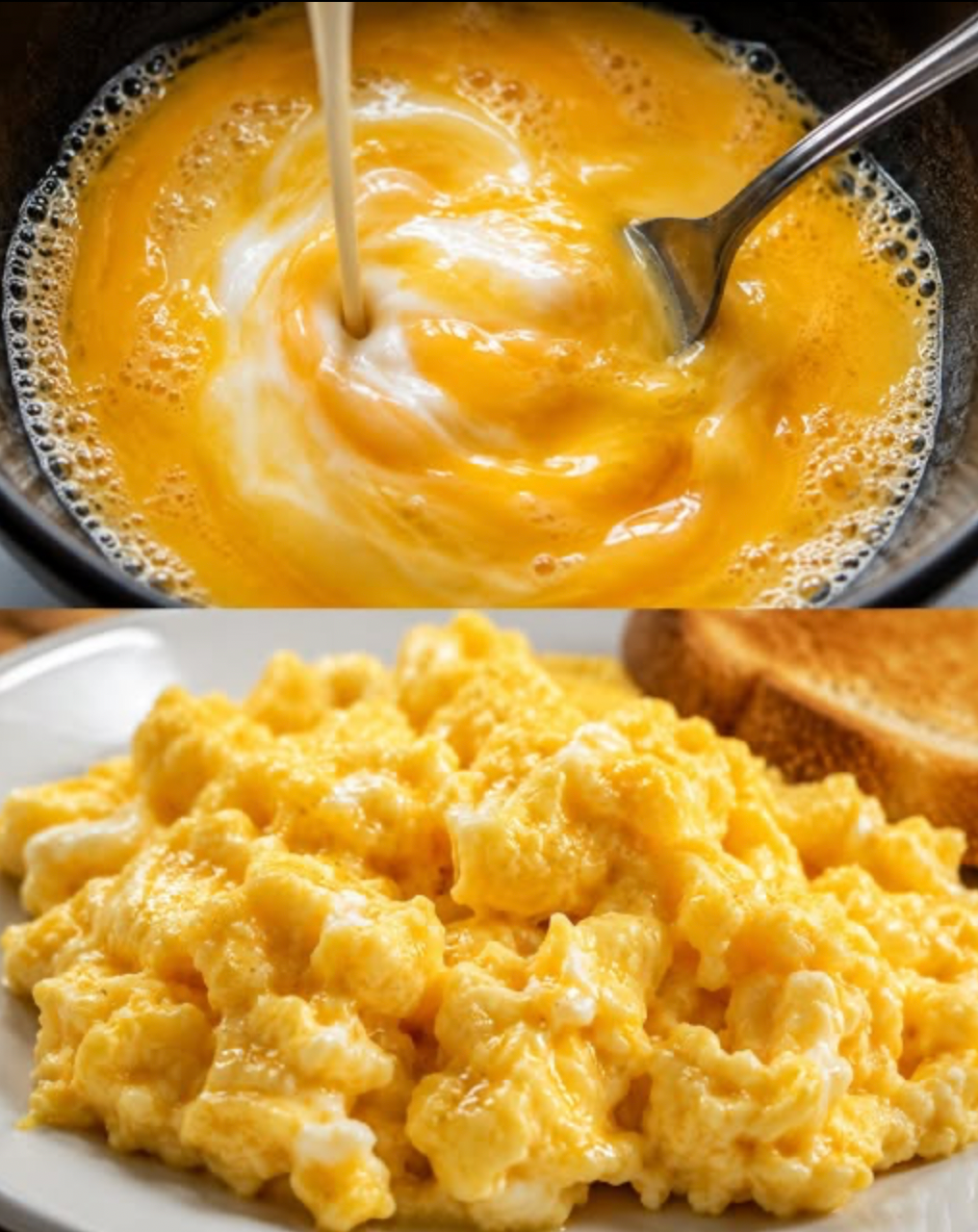
When made properly, scrambled eggs should be:
- soft
- creamy
- fluffy
- tender
- rich in flavor
- and slightly glossy rather than dry.
The difference between ordinary scrambled eggs and truly excellent scrambled eggs often comes down to just a few small details that dramatically affect texture and flavor.
Why Scrambled Eggs Are Harder Than They Look
Eggs cook very quickly.
This means the difference between:
- creamy
and - overcooked
can happen in less than a minute.
Because eggs continue cooking from residual heat even after leaving the stove, many people accidentally overcook them without realizing it.
Understanding Egg Structure
Eggs contain:
- proteins
- fats
- water.
When heated, egg proteins:
- unfold
- bond together
- firm up.
This process creates the solid texture we recognize as cooked eggs.
However:
- too much heat forces proteins to tighten excessively.
That causes:
- dryness
- toughness
- rubbery texture.
The Secret to Soft Scrambled Eggs: Gentle Heat
One of the biggest mistakes people make is cooking eggs over:
- high heat.
High temperatures cook eggs too aggressively, squeezing out moisture and creating dry curds.
Low or medium-low heat produces:
- softer texture
- better moisture retention
- creamier eggs.
Choosing the Right Eggs
Fresh eggs generally produce:
- better flavor
- brighter color
- smoother texture.
Different eggs may vary in:
- richness
- yolk color
- flavor intensity
depending on the hens’ diet and farming methods.
How Many Eggs Per Person?
Typical serving sizes:
- 2 eggs for lighter meals
- 3 eggs for heartier breakfasts.
Scrambled eggs shrink slightly during cooking.
Should You Add Milk?
This is one of the most debated scrambled egg questions.
Some people add:
- milk
- cream
- half-and-half
- sour cream
- crème fraîche.
Others prefer eggs alone.
What Milk Actually Does
A small amount of dairy may:
- slightly soften texture
- add richness
- dilute proteins somewhat.
However:
- too much liquid can create watery eggs.
Many chefs prefer:
- butter instead of milk
for richer flavor without excess moisture.
Why Butter Makes Eggs Better
Butter adds:
- richness
- silkiness
- flavor
- smooth mouthfeel.
It also helps prevent sticking.
The Importance of Whisking Thoroughly
Before cooking, whisk eggs until:
- yolks and whites are completely combined.
Proper whisking incorporates:
- air
- even texture
- better consistency.
Poorly mixed eggs cook unevenly.
Salt Before or After?
Another famous debate.
Interestingly, salting eggs before cooking may actually help create:
- more tender texture.
Salt slightly affects protein behavior during cooking.
Even 5–10 minutes of resting after salting can help.
The Best Pan for Scrambled Eggs
Nonstick pans are popular because eggs are delicate and prone to sticking.
A good pan should:
- distribute heat evenly
- prevent hot spots
- allow gentle cooking.
Why Pan Size Matters
Overcrowded pans make eggs steam excessively.
Too-large pans spread eggs too thinly.
Choose a pan appropriate to the number of eggs.
Preheating the Pan Correctly
The pan should be:
- warm
not - smoking hot.
Butter should melt gently without browning immediately.
If butter browns too fast, the heat is too high.
Low and Slow Cooking
Perfect scrambled eggs require patience.
Pour eggs into the pan and allow them to begin setting slowly.
Gentle heat creates:
- small tender curds
- creamy consistency
- even cooking.
Stirring Technique Matters
There are different scrambling styles.
Large Curds
Stir slowly and less frequently.
This creates:
- larger fluffy folds.
Small Creamy Curds
Stir continuously with gentle movement.
This produces:
- finer
- softer
- creamier eggs.
Why Silicone Spatulas Work Well
Soft spatulas allow:
- gentle folding
- scraping edges
- preserving texture.
Metal utensils may break curds too aggressively.
The Biggest Mistake: Overcooking
Eggs continue cooking after leaving the heat.
Professional cooks often remove scrambled eggs while they still look:
- slightly glossy
- slightly soft
- barely underdone.
Residual heat finishes cooking them perfectly.
Dry Eggs Mean Lost Moisture
Overcooked eggs lose water rapidly.
This creates:
- rubberiness
- toughness
- chalky texture.
Moisture retention is the key to creamy eggs.
Why Restaurant Eggs Taste Better
Restaurants often use:
- lower heat
- more butter
- constant stirring
- precise timing.
Many diners unknowingly prefer richer eggs because fat improves texture dramatically.
French-Style Scrambled Eggs
French scrambled eggs are famous for being:
- ultra-soft
- custard-like
- creamy.
They are cooked very slowly with near-constant stirring.
The texture becomes almost velvety.
American-Style Scrambled Eggs
American-style scrambled eggs are often:
- fluffier
- larger-curded
- more structured.
Both styles can be delicious depending on preference.
Why Some Eggs Turn Gray
Gray or dull eggs often result from:
- overcooking
- excessive heat
- oxidation.
Freshly cooked eggs should look vibrant and moist.
Adding Cheese
Cheese adds:
- richness
- saltiness
- creaminess.
Good options include:
- cheddar
- goat cheese
- feta
- cream cheese
- parmesan.
Add cheese near the end to prevent separation or burning.
Herbs and Flavor Additions
Fresh herbs brighten scrambled eggs beautifully.
Popular additions:
- chives
- parsley
- dill
- green onions
- basil.
Why Black Pepper Works So Well
Black pepper complements eggs because its mild heat balances the eggs’ richness.
Freshly cracked pepper provides stronger aroma.
Common Scrambled Egg Mistakes
1. Cooking Over High Heat
Leads to:
- dryness
- toughness
- uneven texture.
2. Not Stirring Properly
Can create:
- uneven cooking
- large dry patches.
3. Walking Away
Eggs cook too quickly to ignore.
4. Using Too Much Liquid
Can make eggs:
- watery
- diluted
- loose.
5. Waiting Too Long to Serve
Scrambled eggs are best eaten immediately.
Why Eggs Continue Cooking Off Heat
Residual thermal energy remains inside:
- the pan
- the eggs themselves.
This carryover cooking matters enormously for delicate foods like eggs.
The Importance of Timing
Perfect eggs often require:
- only a few minutes total.
Attention matters more than complexity.
Soft vs Firm Scrambled Eggs
Texture preference is personal.
Some people enjoy:
- soft creamy eggs.
Others prefer:
- firmer fully set curds.
The ideal balance is usually:
- fully cooked but still moist.
Nutritional Benefits of Eggs
Eggs provide:
- protein
- healthy fats
- vitamins
- minerals
- choline
- nutrients supporting muscle and brain function.
They are nutrient-dense foods despite their simplicity.
Why Eggs Are So Filling
Protein and fat help increase:
- satiety
- fullness.
This is one reason eggs remain popular breakfast foods worldwide.
The Psychology of Comfort Food
Scrambled eggs feel comforting because they are:
- warm
- soft
- familiar
- quick to prepare.
Many people associate them with:
- childhood breakfasts
- family meals
- cozy mornings.
Advanced Tips for Exceptional Eggs
Finish with Butter
Stirring in a tiny piece of butter at the end creates:
- glossy texture
- richer flavor.
Use Fresh Herbs Last
This preserves aroma and color.
Slight Undercooking Is Better Than Overcooking
Eggs firm up rapidly after removal from heat.
Let the Eggs Fold Naturally
Avoid aggressive stirring that shreds curds into tiny dry pieces.
Serving Ideas
Perfect scrambled eggs pair beautifully with:
- toast
- roasted vegetables
- avocado
- smoked salmon
- breakfast potatoes
- sautéed mushrooms.
Welcome to my kitchen!
I’m a passionate home cook and recipe creator who loves turning simple ingredients into delicious, comforting meals that everyone can enjoy. Through this website, I share carefully prepared recipes, practical cooking tips, and easy-to-understand food education to help you feel more confident in the kitchen.
My goal is to make cooking simple, enjoyable, and accessible. Whether you are looking for a quick family dinner, a delicious dessert, healthy meal ideas, or traditional recipes with a modern touch, you’ll find inspiration here.
More Than Just Recipes
I believe that cooking is also a way to learn. That’s why this website is not only about recipes. I also create educational articles about ingredients, cooking techniques, kitchen tips, food preparation, and the stories behind different dishes.
Each article is designed to give you useful knowledge that you can apply in your own kitchen. From understanding how ingredients work together to learning better cooking methods, my aim is to help you become a more confident and creative cook.
My Philosophy
Good food doesn’t always require complicated ingredients or professional equipment. With a little knowledge, patience, and creativity, simple ingredients can become something truly special.
I believe in sharing recipes that are practical, clearly explained, and enjoyable to make. I also love exploring new flavors while appreciating traditional cooking and the recipes passed down through generations.
Thank you for visiting my kitchen and being part of this food-loving community. I hope my recipes and articles inspire you to cook, learn, experiment, and most importantly, enjoy every bite!
Happy cooking!