The Surprising Public Restroom Innovation Appearing in Modern Facilities
Public restrooms are something most people rarely think deeply about—until they encounter something unexpected.
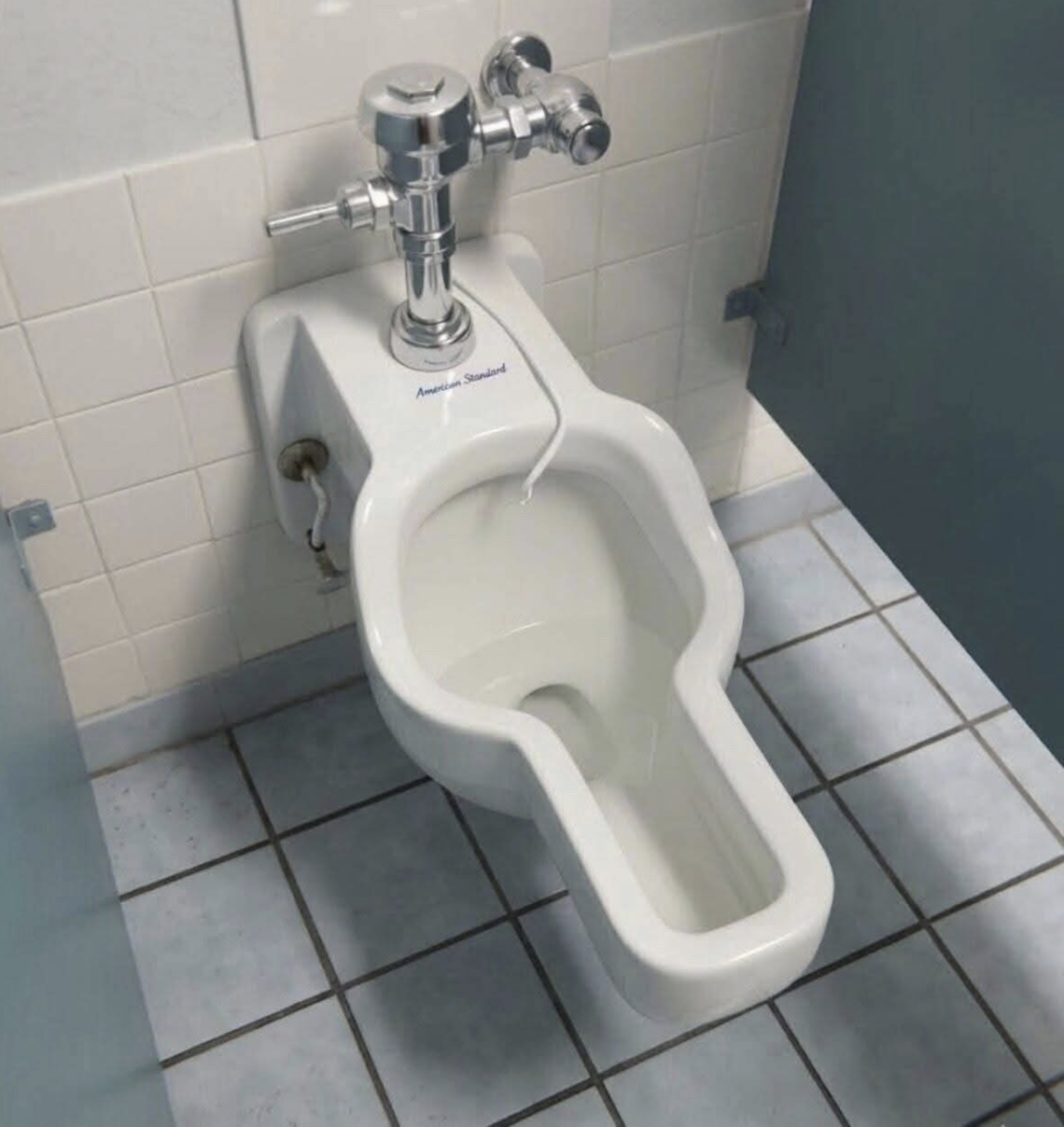
And for many visitors at places like the U.S. Space & Rocket Center in Huntsville, that unexpected moment comes when they walk into a women’s restroom and notice what appears to be… a urinal.
At first glance, it feels almost contradictory.
Urinals have long been culturally associated with men’s restrooms. So seeing a fixture specifically designed for women immediately sparks curiosity:
- Why does this exist?
- How is it used?
- Is it hygienic?
- Is it practical?
- Is this the future of public restroom design?
The answer involves a fascinating mix of:
- architecture
- public health
- accessibility
- efficiency
- hygiene engineering
- and evolving ideas about how public spaces should function.
Far from being a gimmick, female urinals are part of a broader conversation about improving restroom design for everyone.
What Is a Female Urinal?
A female urinal is a restroom fixture designed to allow women to urinate in a semi-squatting or hovering position without sitting fully on a toilet seat.
Unlike traditional toilets, these fixtures are:
- higher off the ground
- shaped differently
- designed for faster use
- optimized for standing or partial-squat positioning.
The designs vary widely, but most aim to:
- reduce contact with surfaces
- improve restroom flow
- conserve water
- shorten waiting times.
Why Female Urinals Exist at All
One of the biggest reasons female urinals were developed is simple:
women’s restroom lines are often significantly longer than men’s.
This happens for several reasons:
- toilet use generally takes longer than urinal use
- women often require stalls exclusively
- caregiving responsibilities increase restroom time
- clothing differences affect speed and convenience
- menstrual hygiene needs add complexity.
Architects and designers have spent decades studying how to reduce these inequalities in public spaces.
Female urinals emerged as one proposed solution.
The Long-Standing “Potty Parity” Problem
Urban planners sometimes refer to unequal restroom wait times as:
“potty parity.”
In many public venues:
- stadiums
- airports
- concert halls
- amusement parks,
women routinely spend more time waiting for restrooms than men.
This isn’t merely inconvenient—it affects:
- comfort
- accessibility
- event experiences
- public health.
Design innovations attempt to address this imbalance.
How Female Urinals Differ From Traditional Toilets
The design focuses heavily on:
- speed
- hygiene
- ergonomics.
Many models feature:
- sloped surfaces
- splash-reduction geometry
- foot placement guides
- partial privacy panels.
Users generally hover or squat rather than sit.
This appeals to people who dislike direct contact with public toilet seats.
Hygiene Considerations
A major selling point of female urinals is hygiene perception.
Many users feel uncomfortable sitting on public restroom seats due to concerns about:
- germs
- moisture
- sanitation
- cleanliness.
Female urinals reduce or eliminate direct seat contact, which some users find more comfortable psychologically.
The Science of Public Restroom Efficiency
Restroom design is surprisingly technical.
Engineers and architects study:
- user flow
- occupancy time
- sanitation
- water use
- accessibility requirements.
Even small reductions in average restroom time can dramatically improve crowd movement in large venues.
Water Conservation Benefits
Some female urinal systems use significantly less water than conventional toilets.
This matters in:
- high-traffic facilities
- environmentally conscious buildings
- sustainability-focused architecture.
Reducing water consumption has become increasingly important in modern public infrastructure.
Why Space Centers and Modern Facilities Experiment With New Designs
Places like science centers and innovation-focused institutions often adopt experimental or forward-thinking infrastructure.
Facilities associated with:
- science
- technology
- sustainability
- engineering
sometimes showcase newer public design concepts earlier than mainstream locations.
That makes places like the Huntsville Space Center natural environments for restroom innovation.
Why the Fixture Looks So Strange Initially
People experience surprise because public restroom design is deeply familiar and culturally ingrained.
Most individuals unconsciously expect:
- toilets in stalls
- urinals in men’s rooms.
When those patterns are disrupted, the brain immediately notices.
This is partly why female urinals often go viral online:
they violate long-standing expectations.
Cultural Differences Around Restroom Design
Interestingly, some countries and regions have experimented more extensively with alternative restroom designs than others.
In parts of:
- Europe
- Asia
- festival culture settings,
female urinals have appeared periodically for years, especially at:
- concerts
- outdoor events
- temporary facilities.
Acceptance varies widely depending on cultural comfort and familiarity.
Accessibility and Inclusivity Discussions
Modern restroom design increasingly involves conversations around:
- gender inclusivity
- accessibility
- efficiency
- privacy
- disability accommodations.
Female urinals are part of that broader design evolution, though they remain relatively uncommon compared to standard toilets.
Privacy Concerns
One reason female urinals have not become universally adopted is privacy preference.
Many users strongly prefer:
- enclosed stalls
- seated options
- full personal space.
Designers continue experimenting with ways to balance:
- speed
- comfort
- privacy
- hygiene.
The Psychology of Public Restrooms
Public restrooms are surprisingly emotional spaces.
People often carry concerns involving:
- cleanliness
- vulnerability
- embarrassment
- personal boundaries.
Any unfamiliar fixture naturally triggers hesitation and curiosity.
That reaction is normal.
Common Reactions People Have
When first encountering a female urinal, people often respond with:
- confusion
- amusement
- skepticism
- curiosity
- discomfort
- fascination.
Online discussions frequently revolve around:
- “How does this work?”
- “Would you use it?”
- “Is this practical?”
Are Female Urinals Meant to Replace Toilets?
Generally, no.
Most implementations are designed as:
- supplementary fixtures
- optional alternatives
- high-efficiency additions.
Traditional toilets remain necessary for many reasons:
- comfort
- accessibility
- medical needs
- menstrual care
- personal preference.
The Role of Innovation in Everyday Spaces
One reason this topic fascinates people is because it reveals how even ordinary environments evolve.
Restrooms seem mundane, yet they reflect:
- engineering decisions
- social expectations
- public health priorities
- changing cultural norms.
Even something as ordinary as a toilet fixture tells a story about society.
Why the Topic Spreads Online
Photos of female urinals go viral because they combine:
- surprise
- taboo-breaking
- curiosity
- humor
- futuristic design.
Anything that disrupts deeply familiar routines instantly attracts attention online.
The Future of Public Restroom Design
Modern restroom design increasingly focuses on:
- touchless technology
- water conservation
- hygiene optimization
- faster traffic flow
- inclusive accessibility.
Female urinals may remain niche, or they may gradually become more common in certain environments.
Much depends on:
- public acceptance
- practicality
- comfort levels
- architectural trends.

Welcome to my kitchen!
I’m a passionate home cook and recipe creator who loves turning simple ingredients into delicious, comforting meals that everyone can enjoy. Through this website, I share carefully prepared recipes, practical cooking tips, and easy-to-understand food education to help you feel more confident in the kitchen.
My goal is to make cooking simple, enjoyable, and accessible. Whether you are looking for a quick family dinner, a delicious dessert, healthy meal ideas, or traditional recipes with a modern touch, you’ll find inspiration here.
More Than Just Recipes
I believe that cooking is also a way to learn. That’s why this website is not only about recipes. I also create educational articles about ingredients, cooking techniques, kitchen tips, food preparation, and the stories behind different dishes.
Each article is designed to give you useful knowledge that you can apply in your own kitchen. From understanding how ingredients work together to learning better cooking methods, my aim is to help you become a more confident and creative cook.
My Philosophy
Good food doesn’t always require complicated ingredients or professional equipment. With a little knowledge, patience, and creativity, simple ingredients can become something truly special.
I believe in sharing recipes that are practical, clearly explained, and enjoyable to make. I also love exploring new flavors while appreciating traditional cooking and the recipes passed down through generations.
Thank you for visiting my kitchen and being part of this food-loving community. I hope my recipes and articles inspire you to cook, learn, experiment, and most importantly, enjoy every bite!
Happy cooking!