The Small Kitchen Space That Turns Into Surprisingly Powerful Storage
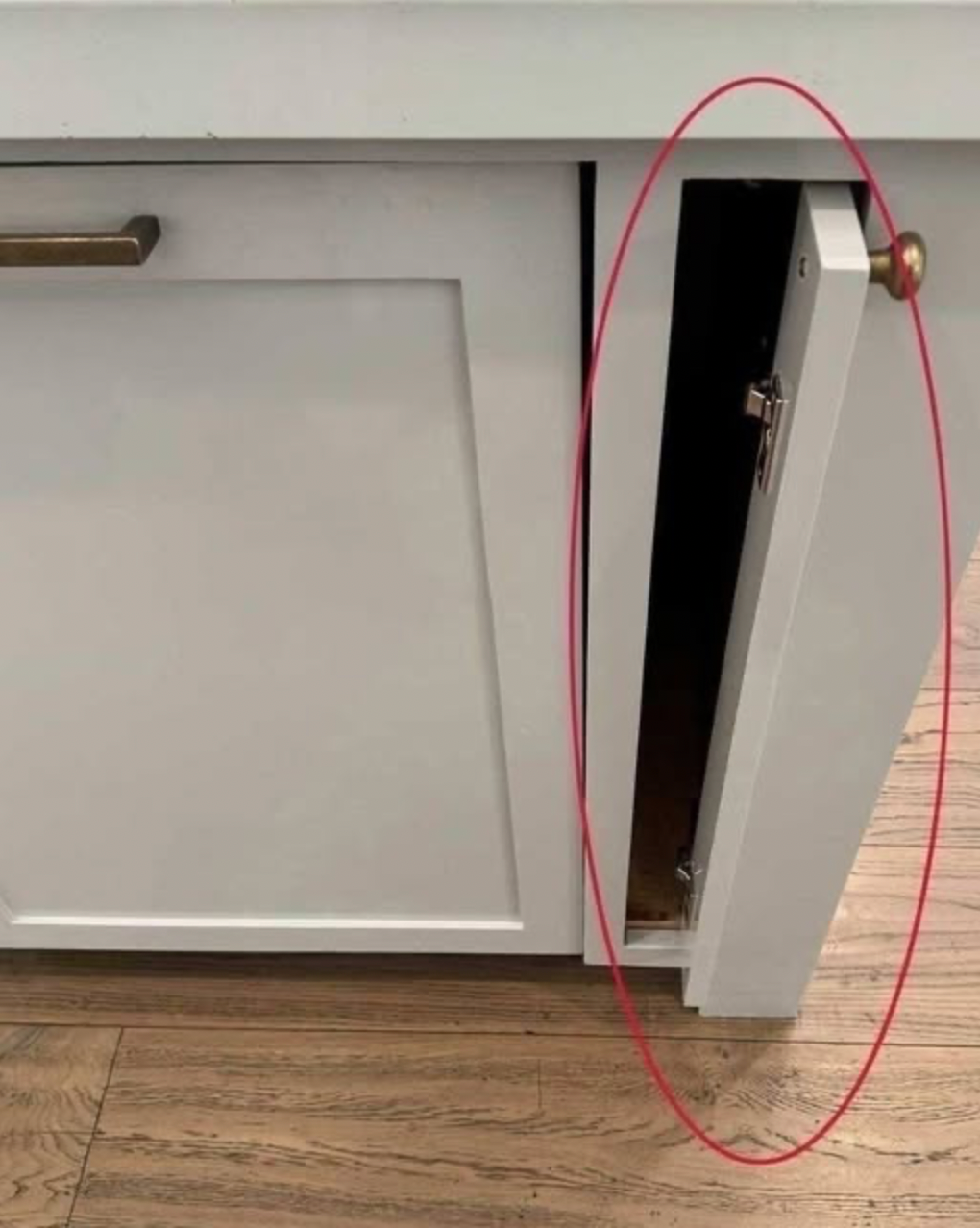
At first glance, a narrow cabinet pull-out looks like a mistake in kitchen design.
It’s:
- extremely thin
- tucked between appliances
- easy to miss
- sometimes only a few inches wide
So people naturally think:
“This is useless… why not just make a solid wall panel?”
But that tiny space is actually one of the smartest storage solutions in modern kitchen design.
These are called narrow cabinet filler pull-outs or slim pull-out pantries, and they exist for a very practical reason:
to turn wasted gaps into functional storage.
Why These Narrow Spaces Exist in Kitchens
Kitchen layouts almost always have small gaps because of:
- standard cabinet sizing
- appliance dimensions (fridge, oven, dishwasher)
- wall irregularities
- plumbing and electrical spacing
- design symmetry
Without filler units, those gaps would become:
- dead space
- dust collectors
- visually uneven areas
Instead of wasting them, designers turn them into pull-out storage.
What a Narrow Pull-Out Cabinet Actually Is
It’s a slim vertical drawer system hidden inside a narrow cabinet frame.
Inside, it usually has:
- sliding rails
- multiple shelves
- baskets or racks
- sometimes adjustable compartments
From the outside, it looks like a thin strip of cabinet.
But when you pull it open, it reveals a full vertical storage system.
What You Can Store in It
Even though it’s narrow, it’s surprisingly useful.
Common storage items:
1. Spices and seasonings
- spice jars
- salt containers
- seasoning packets
Perfect because they are small and need organization.
2. Cooking oils and condiments
- olive oil bottles
- vinegar
- soy sauce
- sauces
Tall bottles fit well in vertical spaces.
3. Baking supplies
- food coloring
- vanilla extract
- small baking tools
4. Cleaning supplies
- dish soap
- sponges
- spray bottles
Often placed near the sink or dishwasher.
5. Kitchen tools
- spatulas
- ladles
- foil and plastic wrap
- cutting boards (in wider versions)
Why It Looks “Useless” at First
People think it’s wasteful because:
- it’s too narrow to stand inside
- it doesn’t look like traditional storage
- it seems like it holds “nothing”
- it disappears into the cabinet design
But this is actually the point.
Its value is not in size—it’s in using space that would otherwise do nothing.
The Real Design Idea Behind It
This type of cabinet follows a concept called:
“zero wasted space design”
Instead of leaving gaps in a kitchen layout, designers aim to:
- maximize every inch
- integrate storage into structural gaps
- maintain clean visual lines
- improve accessibility
Even a 10–15 cm gap becomes useful.
How It Works Mechanically
Most narrow pull-outs use:
- metal sliding rails
- soft-close mechanisms
- full-extension tracks
This allows the entire cabinet to slide out so you can:
- see everything at once
- reach items at the back easily
- avoid forgotten or expired products
Why Homeowners Love Them
Even though they seem small, they solve real problems:
1. Better organization
No more cluttered shelves.
2. Easy access
Everything is visible when pulled out.
3. Hidden storage
Keeps kitchens looking clean and minimal.
4. Uses dead space
Transforms wasted gaps into storage zones.
Where They Are Usually Installed
You’ll often find them:
- beside refrigerators
- between oven and wall
- next to sink cabinets
- in corner gaps
- at the end of kitchen counters
They are specifically designed to fit “awkward” spaces.
Are They Worth It?
Yes—if used correctly.
They are especially useful in:
- small kitchens
- apartments
- modern minimalist designs
- compact homes where storage matters
They may not hold large items, but they significantly improve organization efficiency.
Common Misconceptions
“It’s just filler, so it’s useless”
Actually, it replaces empty space with storage.
“It can’t hold anything important”
It’s designed for small, frequently used items.
“It’s just a design trick”
It’s both design and functionality combined.
Welcome to my kitchen!
I’m a passionate home cook and recipe creator who loves turning simple ingredients into delicious, comforting meals that everyone can enjoy. Through this website, I share carefully prepared recipes, practical cooking tips, and easy-to-understand food education to help you feel more confident in the kitchen.
My goal is to make cooking simple, enjoyable, and accessible. Whether you are looking for a quick family dinner, a delicious dessert, healthy meal ideas, or traditional recipes with a modern touch, you’ll find inspiration here.
More Than Just Recipes
I believe that cooking is also a way to learn. That’s why this website is not only about recipes. I also create educational articles about ingredients, cooking techniques, kitchen tips, food preparation, and the stories behind different dishes.
Each article is designed to give you useful knowledge that you can apply in your own kitchen. From understanding how ingredients work together to learning better cooking methods, my aim is to help you become a more confident and creative cook.
My Philosophy
Good food doesn’t always require complicated ingredients or professional equipment. With a little knowledge, patience, and creativity, simple ingredients can become something truly special.
I believe in sharing recipes that are practical, clearly explained, and enjoyable to make. I also love exploring new flavors while appreciating traditional cooking and the recipes passed down through generations.
Thank you for visiting my kitchen and being part of this food-loving community. I hope my recipes and articles inspire you to cook, learn, experiment, and most importantly, enjoy every bite!
Happy cooking!