For years, potatoes have been both praised and criticized.
Some people call them a comfort food staple—warm, filling, and satisfying. Others avoid them completely, believing they cause weight gain or blood sugar problems.
So what’s the truth?
Doctors and nutrition experts have studied potatoes for decades, and their findings are far more nuanced than the simple “good vs bad” debate.
Because the reality is this:
Potatoes can either support your health… or work against it—depending on how you eat them.
Let’s explore everything in full detail.
1. Potatoes Are More Nutritious Than Most People Think
Many people underestimate potatoes.
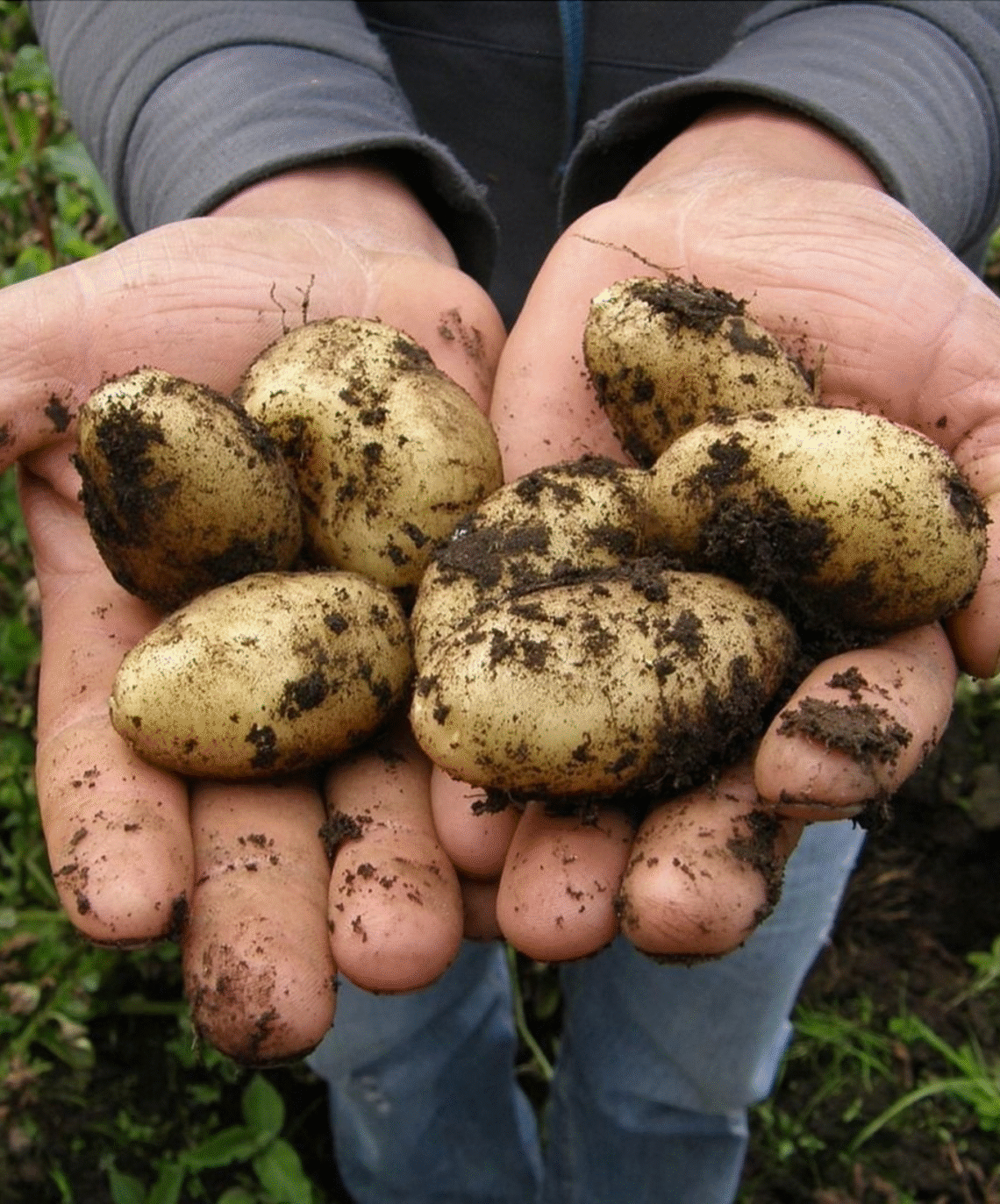
At their core, potatoes are whole plant foods packed with essential nutrients. A single medium potato contains:
- Vitamin C
- Vitamin B6
- Potassium
- Fiber (especially with the skin)
In fact, potatoes are one of the most potassium-rich foods, even more than bananas in some cases.
Doctors emphasize that when prepared simply—boiled, baked, or steamed—potatoes can be part of a healthy diet.
2. The Truth About Carbohydrates
Potatoes are high in carbohydrates, which often leads to concern.
But not all carbs are equal.
Potatoes provide complex carbohydrates, which:
- Supply steady energy
- Fuel the brain and muscles
- Help maintain physical performance
However, the effect on your body depends heavily on preparation.
3. Blood Sugar: The Double-Edged Sword
One of the most important things doctors highlight is how potatoes affect blood sugar.
Potatoes have a relatively high glycemic index, meaning they can raise blood sugar levels quickly.
This can be:
Helpful for:
- Athletes needing quick energy
- People recovering from low blood sugar
Risky for:
- People with diabetes
- Those with insulin resistance
But here’s something many don’t know:
How you cook and eat potatoes changes their impact.
For example:
- Cooling cooked potatoes creates resistant starch
- Eating them with protein or fat slows sugar absorption
So potatoes themselves are not the problem—context matters.
4. Potatoes and Weight Gain: Myth vs Reality
Potatoes are often blamed for weight gain.
But doctors point out something important:
Plain potatoes are actually very filling.
They rank high on the “satiety index,” meaning they help you feel full longer.
So why the bad reputation?
Because potatoes are often eaten as:
- French fries
- Chips
- Loaded with butter, cheese, and sauces
In those forms, calories increase dramatically.
So it’s not the potato—it’s what’s added to it.
5. Digestive Health and Fiber
When eaten with the skin, potatoes provide fiber.
Fiber helps:
- Improve digestion
- Support gut bacteria
- Prevent constipation
Additionally, cooled potatoes contain resistant starch, which acts like fiber and feeds beneficial gut bacteria.
This can improve overall digestive health over time.
6. Potatoes and Heart Health
Potatoes contain potassium, a key mineral for heart health.
Potassium helps:
- Regulate blood pressure
- Balance sodium levels
- Support muscle function
Doctors often recommend potassium-rich foods as part of a heart-healthy diet.
However, adding too much salt (like in fries or chips) can cancel out these benefits.
7. Energy and Physical Performance
Potatoes are an excellent energy source.
They provide:
- Quick fuel
- Sustained energy
- Glycogen replenishment for muscles
That’s why many athletes include potatoes in their diet.
They are natural, affordable, and effective for maintaining energy levels.
8. The Hidden Risk: Processed Potato Products
This is where doctors raise serious concerns.
Highly processed potato foods like:
- Chips
- Fries
- Instant mashed potatoes
often contain:
- Excess oil
- Trans fats
- High sodium
These can increase the risk of:
- Obesity
- Heart disease
- High blood pressure
So while whole potatoes can be healthy, processed versions are a different story.
9. Acrylamide: A Cooking Concern
When potatoes are cooked at very high temperatures (like frying), a compound called acrylamide can form.
This substance has been studied for potential health risks.
Doctors recommend:
- Avoiding over-frying or burning potatoes
- Cooking at moderate temperatures
This reduces exposure to harmful compounds.
10. Who Should Be Careful?
Potatoes are generally safe, but some people should monitor intake:
- People with diabetes
- Individuals on low-carb diets
- Those sensitive to blood sugar spikes
For these groups, portion control and preparation methods are especially important.
11. Best Ways to Eat Potatoes (According to Doctors)
If you want the benefits without the risks:
Choose:
- Boiled potatoes
- Baked potatoes
- Steamed potatoes
Combine with:
- Vegetables
- Protein (meat, eggs, legumes)
- Healthy fats
Avoid:
- Deep frying
- Heavy processed toppings
12. Are Potatoes Good or Bad?
The answer is not simple—but it’s clear.
Potatoes are:
✔ Nutritious
✔ Filling
✔ Energy-rich
But they can also become unhealthy when:
- Over-processed
- Overcooked
- Combined with unhealthy ingredients
Welcome to my kitchen!
I’m a passionate home cook and recipe creator who loves turning simple ingredients into delicious, comforting meals that everyone can enjoy. Through this website, I share carefully prepared recipes, practical cooking tips, and easy-to-understand food education to help you feel more confident in the kitchen.
My goal is to make cooking simple, enjoyable, and accessible. Whether you are looking for a quick family dinner, a delicious dessert, healthy meal ideas, or traditional recipes with a modern touch, you’ll find inspiration here.
More Than Just Recipes
I believe that cooking is also a way to learn. That’s why this website is not only about recipes. I also create educational articles about ingredients, cooking techniques, kitchen tips, food preparation, and the stories behind different dishes.
Each article is designed to give you useful knowledge that you can apply in your own kitchen. From understanding how ingredients work together to learning better cooking methods, my aim is to help you become a more confident and creative cook.
My Philosophy
Good food doesn’t always require complicated ingredients or professional equipment. With a little knowledge, patience, and creativity, simple ingredients can become something truly special.
I believe in sharing recipes that are practical, clearly explained, and enjoyable to make. I also love exploring new flavors while appreciating traditional cooking and the recipes passed down through generations.
Thank you for visiting my kitchen and being part of this food-loving community. I hope my recipes and articles inspire you to cook, learn, experiment, and most importantly, enjoy every bite!
Happy cooking!