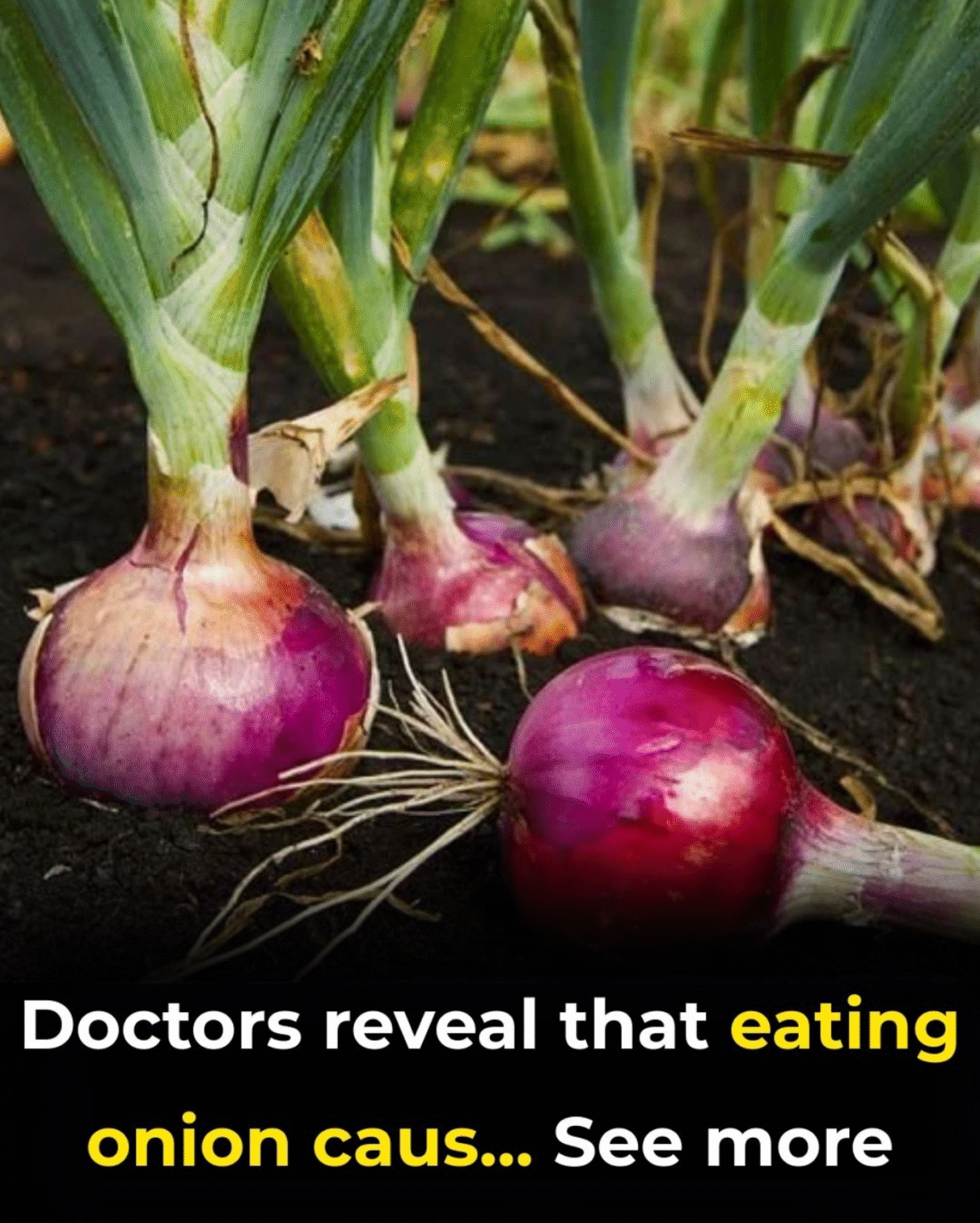
Onions are one of the most widely used vegetables in the world, forming the flavor foundation of countless traditional dishes. Yet beyond their culinary role, doctors and nutrition researchers highlight that onions contain powerful plant compounds that may positively influence several aspects of health when eaten regularly.
From heart protection to digestive support, here is a deeper, evidence-based look at what happens in the body when onions become part of your routine diet.
1. Improved Heart Health
Onions are rich in antioxidants, particularly quercetin, a flavonoid known for its anti-inflammatory and antioxidant properties.
Medical research suggests that regular consumption may:
- Help reduce inflammation in blood vessels
- Lower LDL (bad) cholesterol levels
- Support healthy blood pressure
- Improve circulation
Chronic inflammation and oxidative stress are major contributors to cardiovascular disease. The antioxidant compounds in onions help neutralize free radicals, potentially reducing long-term risk factors.
2. Stronger Immune Response
Onions contain:
- Vitamin C
- Sulfur-containing compounds
- Antioxidants
Sulfur compounds (also found in garlic) have natural antimicrobial properties. Some laboratory studies show that these compounds may inhibit certain harmful bacteria.
While onions are not a cure for infections, including them in a balanced diet can help support overall immune resilience.
3. Better Digestive Health
Onions are a natural source of prebiotics, particularly a type of fiber called inulin.
Prebiotics feed beneficial gut bacteria, which can:
- Improve digestion
- Enhance nutrient absorption
- Support regular bowel movements
- Strengthen immune function
A healthy gut microbiome is increasingly linked to overall wellness, including metabolic health and even mood balance.
However, some people—especially those with sensitive digestion—may experience bloating from raw onions. Cooking them reduces this effect.
4. Blood Sugar Regulation
Some clinical studies suggest that onions may support glucose control.
Compounds found in onions may:
- Improve insulin sensitivity
- Reduce fasting blood sugar levels
- Support metabolic balance
This effect may be helpful for individuals managing type 2 diabetes or insulin resistance, though onions should be viewed as supportive—not as a replacement for prescribed treatment.
5. Anti-Inflammatory Effects
Inflammation plays a role in many chronic diseases, including arthritis and cardiovascular conditions.
The flavonoids and sulfur compounds in onions may help lower inflammatory markers in the body over time. Red onions typically contain higher levels of certain antioxidants compared to white varieties.
6. Potential Cancer-Protective Properties
Onions belong to the allium family (which also includes garlic, leeks, and shallots).
Some population studies suggest that higher consumption of allium vegetables may be associated with a reduced risk of certain digestive cancers. This is thought to be related to:
- Organosulfur compounds
- Antioxidant activity
- Detoxification enzyme support
However, onions alone do not prevent cancer. They contribute as part of an overall healthy diet rich in plant-based foods.
7. Bone Health Support
Preliminary research indicates that frequent onion intake may be associated with improved bone density, particularly in older adults.
While more research is needed, antioxidants in onions may help reduce bone loss linked to oxidative stress.
8. Weight Management Support
Onions are:
- Low in calories
- High in fiber
- Naturally flavorful
Because they enhance taste without adding significant calories, they can help reduce reliance on high-fat sauces and processed flavorings, supporting healthier eating patterns.
Raw vs. Cooked: What’s Better?
- Raw onions preserve more vitamin C and certain antioxidants.
- Lightly cooked onions remain highly nutritious and are easier to digest.
- Caramelized onions still offer benefits but contain more concentrated sugars.
Both forms can be included in a healthy diet.
Possible Side Effects
While generally safe and beneficial, onions may cause:
- Gas or bloating
- Heartburn in sensitive individuals
- Strong breath odor
People with irritable bowel conditions may need to moderate intake.
How Much Is Ideal?
There is no strict medical dosage, but including onions several times per week—about half a medium onion per serving—can provide meaningful nutritional benefits.
As with all foods, balance matters.
Final Thoughts
Doctors and nutrition experts consistently emphasize that simple, whole foods often provide powerful health support. Onions are rich in antioxidants, prebiotics, and natural plant compounds that may support heart health, digestion, immunity, and metabolic balance.
They are not a miracle cure—but when eaten regularly as part of a varied, nutrient-dense diet, onions contribute quietly yet significantly to long-term wellness.