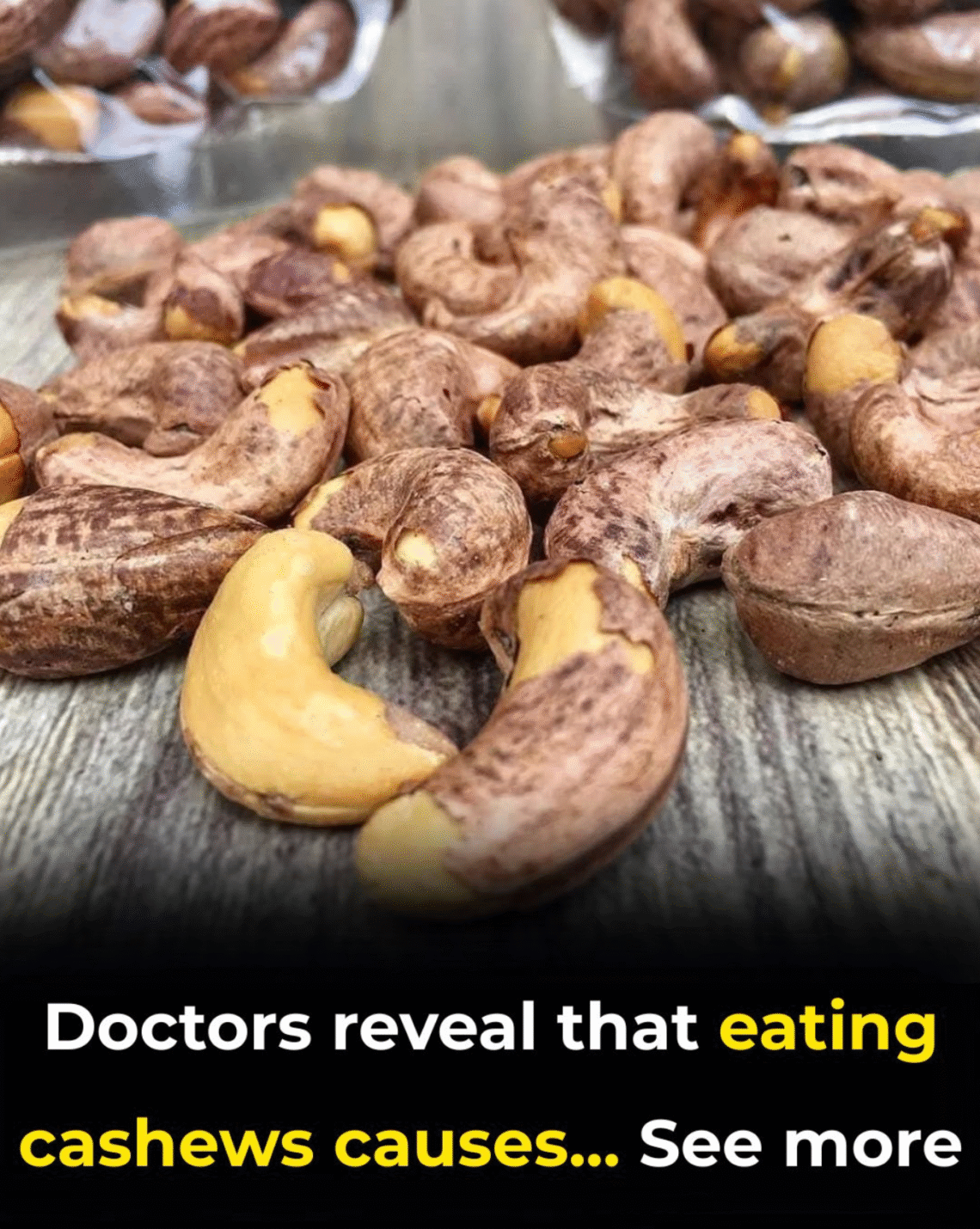
Cashews are one of the most loved nuts in the world—creamy, slightly sweet, and easy to snack on. But beyond their taste, doctors and nutrition experts often highlight cashews as a powerful “small food with big impact.”
So when people say “Doctors reveal that eating cashews causes…” they usually mean this:
Eating cashews regularly can cause real changes in your body—especially in your heart health, energy, brain function, digestion, and mineral balance—as long as you eat them in the right amount.
Cashews aren’t a miracle cure, but they are nutrient-dense and can support wellness in many ways.
Let’s break down exactly what doctors say happens when you eat cashews.
Why Cashews Are So Nutrient-Packed
Cashews are rich in:
- Healthy fats (mostly unsaturated fats)
- Plant-based protein
- Fiber
- Magnesium
- Copper
- Zinc
- Iron
- Phosphorus
- Manganese
- Vitamin B6
- Antioxidants (polyphenols)
That mineral combination is one reason cashews are often recommended for people who feel tired, stressed, or low on energy.
Doctors Reveal: Eating Cashews Can Cause These Benefits
1) Better Heart Health and Improved Cholesterol Balance
Doctors often recommend nuts in general (including cashews) for cardiovascular health.
Cashews contain unsaturated fats that can help:
- reduce LDL cholesterol (bad cholesterol)
- support HDL cholesterol (good cholesterol)
- reduce inflammation in blood vessels
Why this matters:
High LDL cholesterol is linked to plaque buildup in arteries. Cashews can be part of a heart-friendly diet—especially if they replace chips, cookies, and processed snacks.
2) More Stable Energy (Less Fatigue)
Cashews are rich in magnesium and iron—two nutrients linked to energy production.
Doctors explain that magnesium helps:
- support muscle function
- regulate nerve signals
- improve sleep quality
- reduce stress-related fatigue
Iron helps:
- carry oxygen through the blood
So eating cashews can cause:
- fewer energy crashes
- better endurance during the day
- improved “steady energy” feeling
3) Stronger Bones (Not Just Calcium!)
Many people think only calcium matters for bones, but doctors say bones need multiple minerals.
Cashews provide:
- magnesium
- phosphorus
- manganese
- small amounts of calcium
These minerals help with:
- bone density
- structural strength
- long-term bone health
This is especially important as people get older, because bone loss increases with age.
4) Better Brain Function and Focus
Cashews contain:
- healthy fats (brain-supporting)
- vitamin B6
- magnesium
- antioxidants
Doctors explain that these nutrients support:
- brain cell communication
- memory and focus
- nervous system stability
So eating cashews regularly can cause:
- improved concentration
- less mental fatigue
- better mood stability (in some people)
5) Improved Immunity (Zinc + Antioxidants)
Cashews contain zinc, which doctors often describe as an immunity mineral.
Zinc supports:
- immune cell function
- wound healing
- skin health
If someone has low zinc intake, they may notice:
- frequent colds
- slow healing
- weaker immune response
Cashews won’t “stop sickness instantly,” but they can support the immune system over time.
6) Healthier Skin and Hair (Copper Benefit)
One of cashews’ most unique nutrients is copper.
Doctors explain copper helps:
- collagen production
- skin elasticity
- healthy hair pigmentation
- antioxidant enzyme function
So cashews may contribute to:
- stronger hair
- healthier skin texture
- improved natural glow
7) Better Blood Sugar Control (When Used Smartly)
Cashews are low in sugar and contain:
- protein
- fat
- fiber
That combination slows digestion and can help:
- reduce sugar spikes after meals
- improve satiety
- prevent overeating sweets
Doctors often recommend nuts as a snack for people trying to manage blood sugar—but portion size matters.
8) Less Cravings and Better Appetite Control
Cashews are calorie-dense, but they are satisfying.
Doctors say nuts can cause:
- longer fullness
- reduced cravings
- less snacking on unhealthy foods
This is why cashews can help with weight management if eaten in moderate amounts.
What Happens If You Eat Cashews Every Day?
If you eat a reasonable amount daily (not too much), you may notice:
- improved energy and mood
- better digestion and fullness
- healthier snacking habits
- improved mineral intake (especially magnesium)
But if you overeat them, you may notice:
- weight gain (from extra calories)
- stomach discomfort
- bloating
How Many Cashews Should You Eat Per Day?
Most doctors and nutritionists recommend:
✔ 1 small handful per day
That’s about:
- 1 ounce (28g)
- 16–18 cashews
This amount gives benefits without excessive calories.
Best Ways to Eat Cashews (Healthy + Delicious)
1) Plain or Lightly Roasted
Best choice for daily snacking.
2) Cashew Butter
Great on toast or mixed into oatmeal.
3) In Salads
Adds crunch, protein, and richness.
4) In Stir-Fries
Cashews pair perfectly with chicken, vegetables, soy sauce, and garlic.
5) As Cashew Cream (Dairy-Free Sauce)
Blend soaked cashews with:
- water
- lemon juice
- garlic
- salt
This makes a creamy sauce for pasta or soups.
Important Warnings Doctors Mention
1) Salted Cashews Can Raise Blood Pressure
Many packaged cashews are heavily salted.
If you have hypertension, choose:
- unsalted
- lightly salted
2) Cashews Are High-Calorie
Cashews are healthy, but easy to overeat.
A few handfuls daily can cause weight gain.
3) Allergy Risk
Tree nut allergies can be serious.
If you have any allergy symptoms, avoid and seek medical advice.
4) Oxalates (Kidney Stone Risk for Some People)
Cashews contain oxalates. People prone to kidney stones should not overdo them.
Final Thoughts
So, “Doctors reveal that eating cashews causes…” what exactly?
It can cause:
- improved heart health and cholesterol balance
- steadier energy and less fatigue
- stronger bones through magnesium and phosphorus
- better brain focus and nervous system support
- stronger immunity (zinc)
- healthier skin and hair (copper)
- better appetite control and fewer cravings
Cashews are not magic—but they are one of the most nutrient-rich snacks you can eat when used wisely.

Welcome to my kitchen!
I’m a passionate home cook and recipe creator who loves turning simple ingredients into delicious, comforting meals that everyone can enjoy. Through this website, I share carefully prepared recipes, practical cooking tips, and easy-to-understand food education to help you feel more confident in the kitchen.
My goal is to make cooking simple, enjoyable, and accessible. Whether you are looking for a quick family dinner, a delicious dessert, healthy meal ideas, or traditional recipes with a modern touch, you’ll find inspiration here.
More Than Just Recipes
I believe that cooking is also a way to learn. That’s why this website is not only about recipes. I also create educational articles about ingredients, cooking techniques, kitchen tips, food preparation, and the stories behind different dishes.
Each article is designed to give you useful knowledge that you can apply in your own kitchen. From understanding how ingredients work together to learning better cooking methods, my aim is to help you become a more confident and creative cook.
My Philosophy
Good food doesn’t always require complicated ingredients or professional equipment. With a little knowledge, patience, and creativity, simple ingredients can become something truly special.
I believe in sharing recipes that are practical, clearly explained, and enjoyable to make. I also love exploring new flavors while appreciating traditional cooking and the recipes passed down through generations.
Thank you for visiting my kitchen and being part of this food-loving community. I hope my recipes and articles inspire you to cook, learn, experiment, and most importantly, enjoy every bite!
Happy cooking!