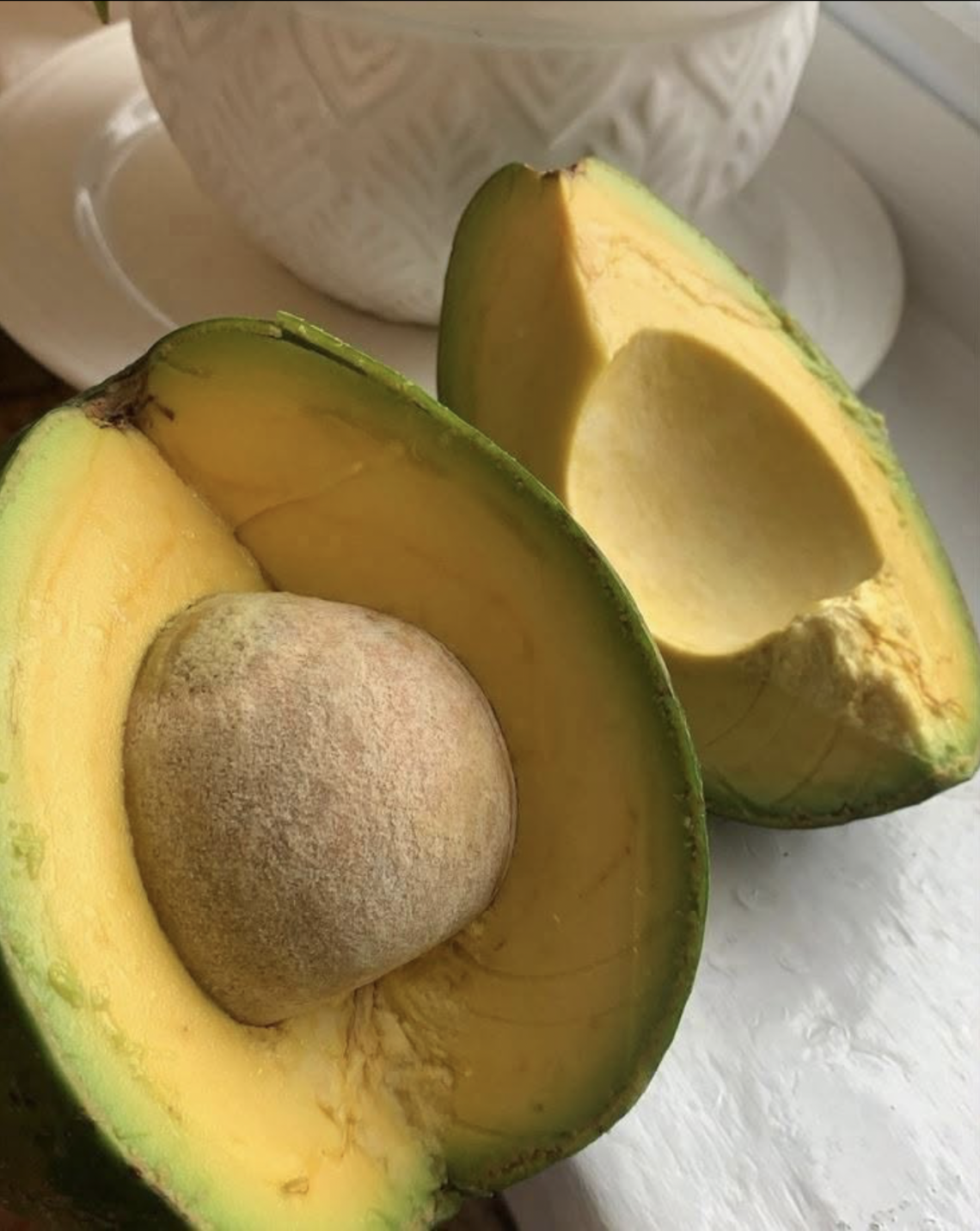
Avocados have become one of the most recognizable foods in modern kitchens. They appear on breakfast toast, in salads and sandwiches, alongside eggs, blended into sauces, and mashed into familiar dips. Their creamy texture and mild flavor make them unusually versatile, which is one reason they have become such a popular ingredient.
But popularity also brings a flood of dramatic headlines.
You may have seen claims suggesting that eating avocados “causes” a particular condition, changes the body in a remarkable way, or has some hidden effect that doctors supposedly don’t want people to know about.
The reality is considerably more nuanced.
Avocados are a nutrient-dense fruit with a distinctive nutritional profile. They contain mostly unsaturated fat rather than the relatively large amounts of carbohydrate found in many other fruits. They also provide dietary fiber, potassium, folate, and other nutrients.
That doesn’t make avocado a miracle food.
It also doesn’t make it something people need to fear.
Instead, the interesting story is what this unusual fruit can contribute to an overall balanced eating pattern—and why portion size, individual circumstances, and the rest of the diet matter.
First Things First: An Avocado Is a Fruit
One of the easiest facts to forget about avocado is that botanically, it is a fruit.
Unlike many fruits that are primarily associated with sweetness, avocado has a creamy, savory character.
That difference comes largely from its fat content.
Instead of tasting sweet like an apple, orange, or grape, avocado has a mild flavor that works equally well in savory dishes.
This makes it particularly useful in meals where you want richness and creaminess without relying entirely on ingredients such as butter, cream, or mayonnaise.
Why Is Avocado Different From Most Fruits?
The nutritional composition of avocado is unusual.
Many fruits contain mostly water and carbohydrates, with relatively little fat.
Avocados contain considerably more fat.
Much of this is monounsaturated fat, a type of unsaturated fat commonly found in foods such as olive oil, nuts, and certain seeds.
This is one reason avocado can make a meal feel satisfying.
Fat takes longer to digest than carbohydrates, and combining fat with fiber can contribute to a feeling of fullness.
That doesn’t mean avocado automatically causes weight loss or guarantees better health.
It simply means it can be a filling component of a balanced meal.
Avocados and Dietary Fiber
Fiber is another important part of avocado’s nutritional profile.
Dietary fiber contributes to normal digestive function and can help support regular bowel movements.
It can also contribute to feelings of fullness after eating.
There are different types of dietary fiber, and foods containing naturally occurring fiber can be useful additions to a varied diet.
Instead of thinking of avocado as a magical source of fiber, think of it as one more way to obtain fiber alongside foods such as beans, lentils, vegetables, fruits, whole grains, nuts, and seeds.
Variety is the key.
What Does Potassium Have to Do With It?
Avocados are also a source of potassium.
Potassium is an essential mineral that plays important roles in normal nerve function, muscle contraction, and fluid balance.
It is sometimes discussed almost exclusively in connection with bananas, but bananas aren’t the only food that provides it.
Avocados can contribute to overall potassium intake as part of a varied diet.
Other potassium-containing foods include potatoes, beans, lentils, leafy vegetables, dairy products, and many fruits.
Again, the bigger nutritional picture matters more than one food.
Avocados Provide Folate
Folate is another nutrient found in avocado.
Folate is involved in normal cell division and the production of DNA and certain blood cells.
Adequate folate is particularly important during periods of rapid growth and development.
However, avocado shouldn’t be viewed as the sole source of folate.
A varied diet containing vegetables, legumes, fruits, and fortified foods can provide folate from several sources.
What About Vitamins?
Avocados contain several vitamins and minerals in varying amounts.
They can contribute vitamins such as vitamin K, vitamin E, and certain B vitamins, although the exact nutritional contribution depends on the serving size.
The lesson isn’t that avocado supplies every nutrient the body needs.
It doesn’t.
Rather, avocado is one nutrient-rich ingredient that can complement other foods.
The Role of Healthy Fats
You will often hear people describe avocado fat as “healthy fat.”
That phrase is useful as shorthand, but it shouldn’t lead to the idea that unlimited amounts of any fat are automatically beneficial.
Fat is an essential nutrient.
The body needs dietary fat for several functions, including helping absorb fat-soluble vitamins and providing energy.
But different foods provide different types of fat, and overall dietary patterns matter.
Replacing foods high in saturated fat with foods rich in unsaturated fats can be a useful strategy in a heart-conscious eating pattern.
Avocado can fit into that pattern.
Does Avocado Lower Cholesterol?
This is where headlines can become misleading.
Some research has associated avocado consumption with improvements in certain cholesterol measures, particularly when avocado replaces foods containing less favorable types of fat.
But that doesn’t mean eating avocado automatically “cleans your arteries” or eliminates cholesterol problems.
Cholesterol is influenced by many factors, including genetics, overall diet, physical activity, and other aspects of health.
A single food cannot override all of those variables.
Can Avocado Help You Feel Full?
Because avocado contains both fat and fiber, it can make meals more satisfying.
For example, compare a meal consisting primarily of refined carbohydrates with one that combines whole grains, vegetables, a protein source, and some avocado.
The second meal contains a broader mixture of nutrients and may be more filling.
But fullness is individual.
People have different energy needs, appetites, activity levels, and dietary patterns.
So avocado shouldn’t be promoted as a guaranteed appetite-control solution.
Does Eating Avocado Make You Gain Weight?
This question often appears whenever a food contains fat.
The answer isn’t as simple as “fat makes you gain weight.”
Avocado is energy-dense, meaning it provides a substantial amount of energy relative to its volume.
That doesn’t make it unhealthy.
It simply means portion size matters.
Eating a reasonable amount as part of a balanced meal is very different from consuming extremely large portions without considering the rest of the diet.
The same principle applies to many nutritious foods, including nuts, seeds, oils, and cheese.
What Happens If You Eat Too Much?
More isn’t always better.
A large amount of avocado can contribute considerable calories and fat to a meal.
Some people may also experience digestive discomfort if they suddenly increase their fiber intake.
That can mean bloating or other gastrointestinal symptoms.
If someone isn’t accustomed to eating much fiber, increasing fiber gradually and drinking enough fluids can be helpful.
Individual tolerance varies, though.
Can Someone Be Allergic to Avocado?
Yes.
Although avocado allergy is not common, allergic reactions can occur.
Anyone who develops symptoms suggesting a food allergy should take them seriously and discuss them with an appropriate healthcare professional.
It is not sensible to assume that a food is safe for absolutely everyone simply because it is nutritious for many people.
What About Avocado and Digestion?
The fiber in avocado can support normal digestive health.
But the digestive system is complicated, and people respond differently to foods.
Some people tolerate avocado extremely well.
Others may notice digestive symptoms after eating it.
The amount eaten can matter, as can the rest of the meal.
A person who experiences persistent or significant symptoms after eating a particular food should discuss the issue with a qualified healthcare professional rather than relying on internet claims.
Why Portion Size Still Matters
One of the biggest mistakes in nutrition discussions is treating healthy foods as if quantity doesn’t matter.
A food can be nutritious and still contribute substantial energy when eaten in very large amounts.
Think of avocado as an ingredient rather than a medicine.
A moderate portion can add:
- creaminess,
- flavor,
- fiber,
- unsaturated fat,
- potassium,
- and other nutrients.
That doesn’t mean you need enormous amounts to obtain benefits.
The Best Way to Eat Avocado
One of the simplest approaches is to combine avocado with other nutritious foods.
Try it with:
- whole-grain toast,
- eggs,
- beans,
- tomatoes,
- leafy greens,
- lentils,
- grilled vegetables,
- brown rice,
- quinoa,
- chicken,
- fish.
This creates meals containing a wider range of nutrients than avocado alone.
Avocado Toast Is More Than a Trend
Avocado toast became famous as a modern food trend, but the underlying combination is nutritionally sensible when prepared thoughtfully.
Whole-grain bread provides carbohydrates and fiber.
Avocado adds unsaturated fat and additional fiber.
Adding an egg, beans, vegetables, or another protein-rich food can make the meal more substantial.
The point isn’t that avocado toast is uniquely healthy.
It’s that it can be a convenient foundation for a balanced meal.
Avocados in Salads
Avocado works especially well in salads because its creamy texture can provide richness without requiring a heavy dressing.
Combine diced avocado with:
- tomatoes,
- cucumbers,
- leafy greens,
- corn,
- beans,
- peppers,
- citrus,
- herbs.
A little lemon or lime juice also complements avocado beautifully.
Avocado as a Substitute
One reason people enjoy avocado is that it can sometimes replace richer ingredients.
Mashed avocado can be used in sandwiches instead of certain creamy spreads.
It can also provide richness in homemade sauces and dips.
This doesn’t automatically make every avocado-based dish healthy, though.
Adding large amounts of cheese, salty processed ingredients, or calorie-dense sauces can change the nutritional profile of the final meal.
The entire recipe matters.
What About Avocado Oil?
Avocado oil is another product associated with this fruit.
It contains predominantly unsaturated fat and is commonly used as a cooking oil.
But avocado oil isn’t nutritionally identical to eating a whole avocado.
The whole fruit contains fiber and other components that aren’t present in the same way in refined oil.
So avocado oil and avocado serve different culinary purposes.
Are Frozen or Pre-Cut Avocados Useful?
Fresh avocado is popular, but frozen or prepared versions can also be convenient.
Frozen avocado can work well in smoothies or other dishes where texture doesn’t need to be identical to freshly sliced fruit.
Pre-cut products may be convenient but should be handled and stored according to their packaging instructions.
Convenience can sometimes make it easier to incorporate nutritious foods into everyday meals.
How to Keep Cut Avocado From Browning
Avocado flesh can darken after exposure to air.
This is called enzymatic browning.
It doesn’t necessarily mean the avocado has become unsafe.
The appearance can be slowed by reducing exposure to air and using acidic ingredients such as lemon or lime juice.
Store cut avocado appropriately and follow normal food-safety practices.
Why the Internet Loves “Doctors Reveal…” Headlines
There is a reason dramatic health headlines get attention.
A statement such as:
“Doctors reveal what eating avocado really does…”
creates curiosity.
Readers want to know whether something they eat regularly is secretly helping or harming them.
But nutrition science rarely fits into a single dramatic sentence.
Studies can examine associations, controlled dietary changes, biomarkers, long-term health outcomes, or other measurements.
Those different forms of evidence need to be interpreted carefully.
Association Is Not the Same as Cause
This is one of the most important ideas to understand.
Suppose researchers discover that people who eat more avocado tend to have a certain health characteristic.
That does not automatically prove the avocado caused the characteristic.
People who eat avocado regularly may also:
- eat more vegetables,
- consume more whole grains,
- exercise more,
- smoke less,
- have different socioeconomic circumstances,
- or follow other health-conscious habits.
Researchers try to account for these factors, but nutrition research is complicated.
That’s why responsible health information avoids turning one food into a miracle cure or a hidden danger without strong evidence.
So, What Does Eating Avocado Actually Cause?
For most people, eating avocado simply contributes nutrients to the diet.
It can provide fiber, unsaturated fat, potassium, folate, and other nutrients while adding creamy texture and flavor to meals.
It does not automatically cause a dramatic health transformation.
It also isn’t inherently dangerous simply because sensational headlines sometimes make it sound that way.
Individual circumstances can change the picture, including allergies, digestive tolerance, dietary needs, and medical conditions.
A Better Way to Think About “Superfoods”
The word “superfood” is useful for marketing but isn’t a precise scientific category.
No single food contains everything a person needs.
A genuinely nutritious diet is built from many different foods.
Vegetables provide different vitamins and minerals.
Fruits provide different fibers and plant compounds.
Whole grains contribute carbohydrates and other nutrients.
Legumes provide fiber and plant protein.
Nuts and seeds provide fats and minerals.
Animal foods and fortified foods can provide additional nutrients depending on the diet.
Avocado is simply one valuable piece of that larger puzzle.