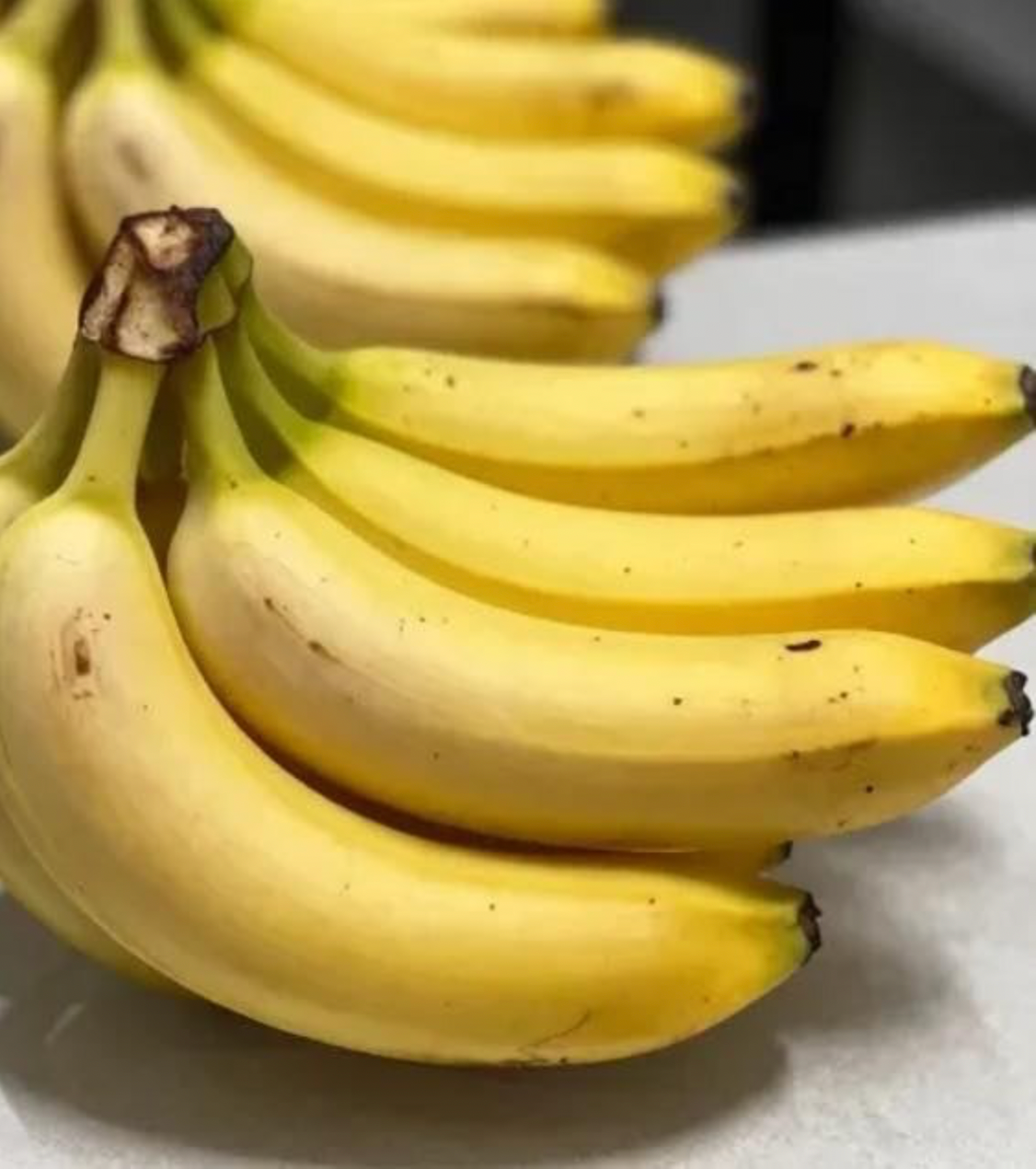
Bananas are among the most widely consumed fruits on Earth. Found in kitchens, lunch boxes, smoothie recipes, athletic diets, hospital meal trays, and breakfast tables around the world, they are one of nature’s most convenient and accessible foods.
They are:
- Naturally portable
- Inexpensive
- Nutrient-rich
- Easy to digest
- Widely available year-round
Yet despite their popularity, bananas have become surrounded by countless myths, half-truths, internet rumors, and oversimplified health claims. Depending on who you ask, bananas are either:
- A perfect superfood
or - A sugar-loaded dietary disaster
Some people claim bananas:
- Cause weight gain
- Should never be eaten at night
- Are dangerous for people over 60
- Cause constipation
- Spike blood sugar dramatically
- Contain “too much sugar”
- Should be avoided during dieting
Meanwhile others insist bananas:
- Cure cramps
- Melt belly fat
- Instantly improve mood
- Replace meals
- Prevent disease completely
The truth, as usual, is far more balanced and scientifically interesting.
Bananas are neither miracle cures nor nutritional villains. They are simply nutrient-dense fruits with genuine benefits, a few limitations, and a surprisingly complex nutritional profile.
So let’s separate fact from fiction and examine what science actually says about bananas.
Myth #1: Bananas Cause Weight Gain
This is one of the most persistent banana myths online.
Because bananas contain carbohydrates and natural sugars, many people assume they automatically lead to fat gain.
But scientifically, no single food causes weight gain in isolation.
Weight gain generally occurs when:
- Total calorie intake consistently exceeds energy expenditure over time.
Bananas themselves are relatively moderate in calories.
A medium banana typically contains roughly:
- 90–120 calories
depending on size.
That is far less than many processed snack foods marketed as “healthy.”
Why Bananas Actually Help Many People Control Appetite
Bananas contain:
- Fiber
- Water
- Natural carbohydrates
These components can help increase feelings of fullness.
The fiber in bananas slows digestion slightly, which may help reduce excessive snacking between meals.
For many people, replacing processed snacks with bananas may actually support healthier eating habits.
The Real Issue Is Overall Diet
Bananas do not magically create body fat.
Problems arise when diets become dominated by:
- Excess processed foods
- Sugary beverages
- Large calorie surpluses
- Sedentary habits
Blaming bananas for weight gain oversimplifies how human metabolism works.
Myth #2: Bananas Contain “Too Much Sugar”
Yes, bananas contain natural sugars.
But context matters enormously.
A banana contains naturally occurring sugars packaged alongside:
- Fiber
- Vitamins
- Minerals
- Water
- Plant compounds
This is very different from highly processed foods containing refined added sugars.
Natural Sugar vs Added Sugar
The body processes whole fruits differently from sugary processed products because the fiber and structure of fruit slow digestion and absorption.
Bananas generally do not behave the same way as:
- Candy
- Soda
- Syrups
- Highly processed desserts
This distinction is extremely important.
Why Ripeness Matters
As bananas ripen:
- Starch converts into sugar
This makes ripe bananas:
- Sweeter
- Softer
- Easier to digest
Greener bananas contain more resistant starch, while very ripe bananas contain more available sugars.
Both forms can fit into healthy diets.
Myth #3: Bananas Are Bad for People With Diabetes
This myth contains a small piece of truth mixed with oversimplification.
People with diabetes do need to monitor carbohydrate intake carefully.
However, bananas are not automatically forbidden.
Portion size, overall diet, ripeness, and meal composition matter more than demonizing one fruit.
The Glycemic Response Is More Complex Than People Think
Bananas generally have a moderate glycemic effect, especially when:
- Paired with protein or healthy fats
- Eaten in reasonable portions
- Not overripe
For example:
- Banana with yogurt
- Banana with peanut butter
- Banana in oatmeal
may affect blood sugar differently than eating several bananas alone.
Fiber Helps Moderate Blood Sugar Impact
Bananas contain dietary fiber, which slows digestion and may help moderate blood sugar response compared to refined carbohydrates.
Again, context matters.
Myth #4: Bananas Cause Constipation
This myth partly comes from confusion about banana ripeness.
Unripe bananas contain more resistant starch, which may slow digestion in some individuals.
Ripe bananas, however, often contribute fiber that supports digestive regularity.
Different People React Differently
Digestive responses vary widely between individuals.
Some people find bananas soothing and easy to digest.
Others may notice mild digestive slowing with less ripe bananas.
This does not make bananas universally constipating.
Hydration Matters Too
Fiber works best alongside proper hydration.
Without enough fluids, many high-fiber foods may contribute to digestive discomfort.
Myth #5: Bananas Should Never Be Eaten at Night
There is no scientific rule banning bananas after sunset.
This idea likely developed from generalized diet myths rather than strong evidence.
In reality, bananas contain nutrients that some people actually find calming in the evening.
Bananas and Evening Eating
Bananas contain:
- Magnesium
- Carbohydrates
- Small amounts of tryptophan-related compounds
Carbohydrates may help support serotonin-related pathways indirectly, although internet claims about bananas being “natural sleeping pills” are exaggerated.
Still, many people tolerate bananas perfectly well at night.
What Matters More Than Timing
Overall eating habits matter far more than whether a banana is eaten:
- Morning
- Afternoon
- Evening
For most healthy people, nighttime banana consumption is not harmful.
Myth #6: Bananas Cure Muscle Cramps Instantly
Bananas are famous for potassium, leading many people to believe they instantly eliminate cramps.
Potassium does support:
- Muscle function
- Nerve signaling
- Fluid balance
However, muscle cramps are far more complex than simple potassium deficiency.
Causes of Muscle Cramps
Cramps may involve:
- Dehydration
- Overuse
- Electrolyte imbalance
- Fatigue
- Circulation issues
- Nerve factors
Bananas can contribute potassium to the diet, but they are not magical anti-cramp medicine.
Myth #7: Bananas Are the Best Source of Potassium
Bananas are good potassium sources, but they are not the highest.
Other potassium-rich foods include:
- Potatoes
- Beans
- Spinach
- Avocados
- Yogurt
- Sweet potatoes
Bananas became strongly associated with potassium partly because they are convenient and widely marketed.
Myth #8: Bananas Are Nutritionally “Empty”
This claim is completely inaccurate.
Bananas contain several important nutrients including:
- Potassium
- Vitamin B6
- Vitamin C
- Fiber
- Magnesium
- Natural carbohydrates
They also provide quick accessible energy, making them useful for active individuals.
Why Athletes Often Eat Bananas
Bananas are popular among athletes because they:
- Digest relatively easily
- Provide carbohydrates for energy
- Contain potassium
- Are portable and convenient
They are especially common in endurance sports.
Myth #9: Bananas Are Unsafe After Age 60
There is no scientific evidence that healthy older adults should avoid bananas simply because of age.
In fact, bananas may offer useful nutrients for older adults, including:
- Potassium
- Fiber
- Easy-to-digest carbohydrates
Why Bananas Can Be Helpful for Older Adults
As people age, maintaining:
- Energy
- Digestion
- Muscle function
- Nutrient intake
becomes increasingly important.
Soft easy-to-eat fruits like bananas may help support adequate nutrition.
The Exception: Certain Medical Conditions
People with severe kidney disease sometimes must monitor potassium intake carefully.
In those situations, healthcare professionals may recommend limiting high-potassium foods, including bananas.
But this does not apply to all older adults.
Myth #10: Organic Bananas Are Dramatically Healthier
Nutritionally, organic and conventional bananas are often quite similar.
The biggest differences may involve:
- Farming methods
- Pesticide practices
- Environmental concerns
But conventional bananas remain nutritious foods.
The Truth About Banana “Superfood” Claims
Some marketing exaggerates bananas as miracle foods that:
- Burn fat
- Cure depression
- Detox the body
- Prevent major diseases
No food works that way alone.
Health outcomes depend on:
- Overall diet
- Lifestyle
- Sleep
- Physical activity
- Stress management
- Genetics
Bananas can support health, but they are not magic.
Green Bananas vs Yellow Bananas
Different ripeness stages affect:
- Taste
- Texture
- Digestibility
- Starch content
Green Bananas
Contain more:
- Resistant starch
which may support:
- Fullness
- Gut bacteria balance
but can feel less digestible for some people.
Yellow Ripe Bananas
Contain more available sugars and are:
- Sweeter
- Softer
- Easier to digest quickly
Brown-Spotted Bananas
Very ripe bananas are often sweeter and softer still.
They are commonly used in:
- Smoothies
- Baking
- Banana bread
Why Bananas Became So Popular Worldwide
Bananas succeeded globally because they are:
- Affordable
- Portable
- Filling
- Naturally wrapped
- Easy to grow in many climates
They also require no preparation beyond peeling.
The Bigger Lesson About Nutrition Myths
Banana myths reveal a broader problem in modern nutrition culture:
People often search for “good” foods and “bad” foods instead of examining overall dietary patterns.
Nutrition is rarely that simple.
Most whole foods exist somewhere between:
- Perfect
and - Dangerous
Bananas are no exception.

Welcome to my kitchen!
I’m a passionate home cook and recipe creator who loves turning simple ingredients into delicious, comforting meals that everyone can enjoy. Through this website, I share carefully prepared recipes, practical cooking tips, and easy-to-understand food education to help you feel more confident in the kitchen.
My goal is to make cooking simple, enjoyable, and accessible. Whether you are looking for a quick family dinner, a delicious dessert, healthy meal ideas, or traditional recipes with a modern touch, you’ll find inspiration here.
More Than Just Recipes
I believe that cooking is also a way to learn. That’s why this website is not only about recipes. I also create educational articles about ingredients, cooking techniques, kitchen tips, food preparation, and the stories behind different dishes.
Each article is designed to give you useful knowledge that you can apply in your own kitchen. From understanding how ingredients work together to learning better cooking methods, my aim is to help you become a more confident and creative cook.
My Philosophy
Good food doesn’t always require complicated ingredients or professional equipment. With a little knowledge, patience, and creativity, simple ingredients can become something truly special.
I believe in sharing recipes that are practical, clearly explained, and enjoyable to make. I also love exploring new flavors while appreciating traditional cooking and the recipes passed down through generations.
Thank you for visiting my kitchen and being part of this food-loving community. I hope my recipes and articles inspire you to cook, learn, experiment, and most importantly, enjoy every bite!
Happy cooking!