There are few homemade cookies as wonderfully simple and comforting as shortbread.
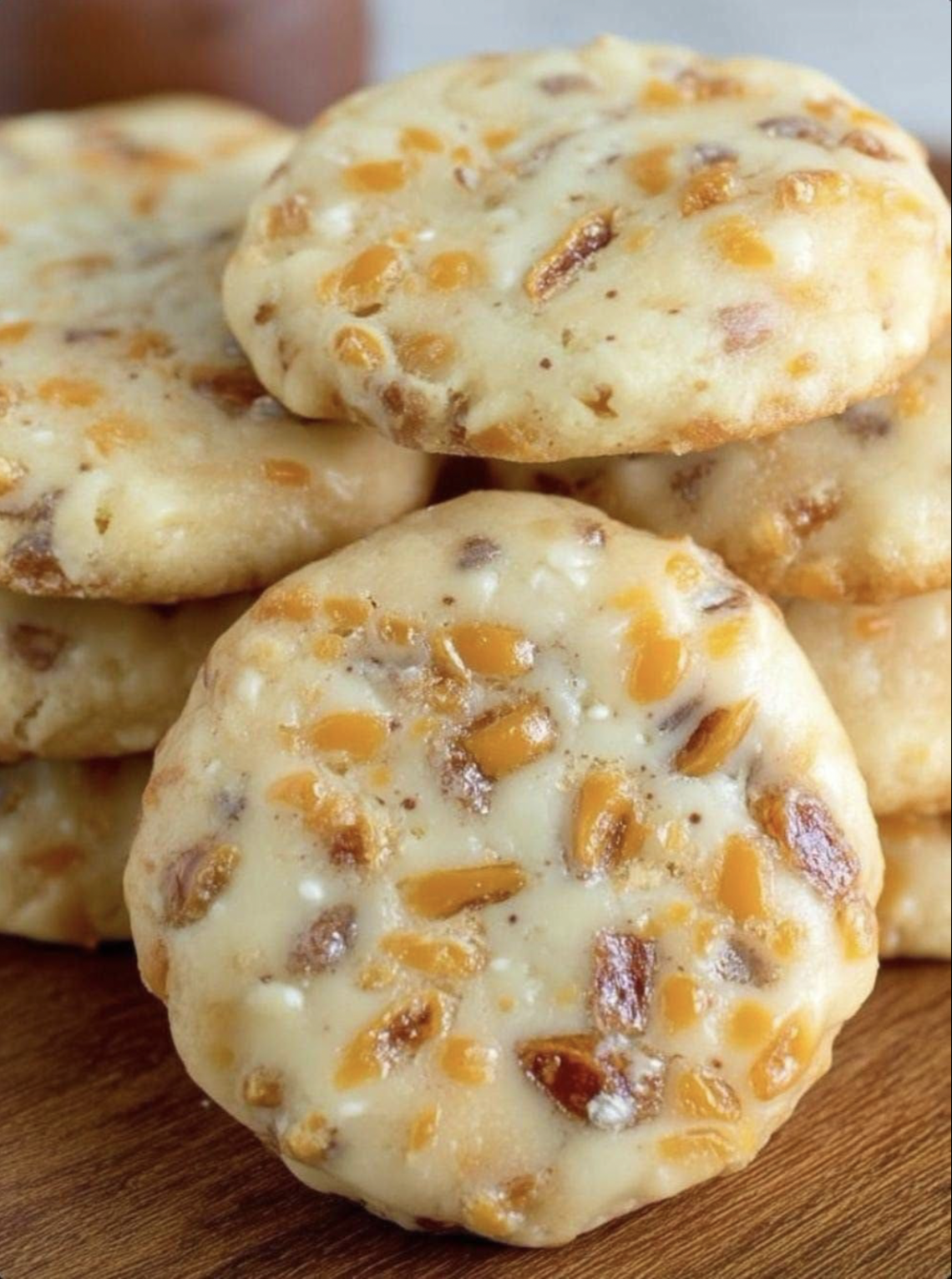
Now add the warm, caramel-like flavor of butterscotch, and you have a cookie that feels both old-fashioned and special. These Butterscotch Shortbread Cookies have crisp, delicate edges, a tender center, and little pockets of sweet butterscotch flavor throughout every bite.
They are perfect with a cup of tea, coffee, hot chocolate, or a glass of cold milk. They also make a lovely addition to a holiday cookie tray, afternoon snack table, or homemade gift box.
Best of all, the dough is uncomplicated. There is no need for elaborate decorating or complicated techniques. The beauty of shortbread comes from a handful of simple ingredients treated with care.
Why You’ll Love These Cookies
These cookies have everything you want from a classic shortbread:
- Rich buttery flavor
- Delicate, tender texture
- Lightly crisp edges
- Sweet butterscotch pieces
- A subtle vanilla aroma
- Simple preparation
- No complicated frosting required
- Perfect for make-ahead baking
- Wonderful for sharing or gifting
The finished cookies are sweet without needing to be covered in icing.
Ingredients
For approximately 24 to 30 cookies, depending on their size, you’ll need:
- 1 cup unsalted butter, softened
- 1/2 cup powdered sugar
- 1 teaspoon vanilla extract
- 1/4 teaspoon salt
- 2 cups all-purpose flour
- 3/4 cup butterscotch chips or finely chopped butterscotch pieces
Optional additions include:
- 1/4 teaspoon ground cinnamon
- 1/2 teaspoon almond extract
- A small pinch of flaky salt for the tops
- 1/3 cup finely chopped pecans or walnuts
If you use salted butter, reduce or omit the added salt.
Why Softened Butter Matters
Butter is the foundation of shortbread, so its texture matters.
The butter should be softened enough to mix easily but shouldn’t be melted.
Melted butter can change the structure of the dough and produce cookies that spread more than intended.
A good way to soften butter is to leave it at room temperature for a while before baking.
It should yield gently when pressed with a finger while still holding its shape.
Preparing the Dough
Begin by placing the softened butter in a large mixing bowl.
Beat it until smooth and creamy.
Add the powdered sugar and continue mixing until the butter and sugar are well combined.
The mixture should look smooth and slightly fluffy.
Add the vanilla extract and salt.
Mix briefly.
Don’t overwork the butter at this stage. Shortbread doesn’t need the same extensive creaming process used for some soft cookies.
Adding the Flour
Gradually add the flour.
Mix on low speed, or stir by hand, until the dough begins to come together.
At first, the mixture may look crumbly.
Keep mixing gently.
Eventually, the butter will coat the flour and the crumbs will begin forming a soft dough.
Avoid mixing for much longer than necessary.
Overworking the dough can develop gluten and make the finished shortbread less tender.
Fold in the Butterscotch
Once the dough has come together, add the butterscotch chips.
Fold them in gently so they’re distributed throughout the dough.
Try to spread them evenly rather than concentrating them in one area.
If you’re adding chopped nuts, this is also the time to fold them in.
Chill the Dough
Chilling is an important step.
Shape the dough into a disk or log, wrap it securely, and refrigerate it for approximately 30 to 60 minutes.
Chilling firms the butter and makes the dough easier to handle.
It can also help the cookies maintain their shape during baking.
If you’re using a log-shaped dough, you can slice it directly into rounds after chilling.
Two Easy Ways to Shape the Cookies
Slice-and-Bake Cookies
Shape the dough into a compact log.
Wrap it tightly and refrigerate until firm.
Slice the log into rounds of relatively even thickness.
Arrange the slices on a parchment-lined baking sheet.
This method produces classic, neat shortbread rounds.
Rolled Shortbread
Alternatively, roll the chilled dough between sheets of parchment paper.
Aim for approximately 1/4-inch thickness.
Use a cookie cutter to cut out circles, squares, or another simple shape.
Transfer the cookies carefully to the baking sheet.
If the dough becomes too soft while you’re working, place it back in the refrigerator for several minutes.
Preparing the Baking Sheet
Line a baking sheet with parchment paper.
This makes cleanup easier and helps prevent the cookies from sticking.
Leave a little space between the cookies because they may spread slightly during baking.
There is no need to crowd the pan.
If necessary, bake in batches.
Baking the Shortbread
Preheat the oven to approximately 350°F (175°C).
Bake the cookies until the edges are lightly golden and the centers look set.
Depending on their size and thickness, this usually takes around 10 to 14 minutes.
Keep a close eye on them toward the end.
Shortbread can go from lightly golden to overly browned surprisingly quickly.
You want the edges to have just enough color to indicate that the cookies are finished.
Let Them Cool
Allow the cookies to cool on the baking sheet for several minutes after removing them from the oven.
Freshly baked shortbread is delicate.
Moving it immediately can cause it to break.
Once the cookies have firmed up, transfer them to a wire rack.
They will become crisper as they cool.
The Butterscotch Difference
Butterscotch gives these cookies a deeper flavor than ordinary vanilla shortbread.
The combination of butter, sugar, and butterscotch creates warm caramel-like notes.
Some of the butterscotch pieces may remain pleasantly soft in the center, while others can develop lightly toasted edges during baking.
That contrast is part of what makes these cookies so enjoyable.
Add a Little Flaky Salt
If you enjoy sweet-and-salty flavors, sprinkle a tiny amount of flaky salt over the cookies before baking.
You don’t need much.
A few flakes on each cookie can make the butterscotch flavor stand out beautifully.
Be especially careful if you’re already using salted butter.
Add Nuts for Extra Texture
Pecans and walnuts pair especially well with butterscotch.
Finely chop them and fold a small amount into the dough.
The nuts provide a pleasant crunch against the tender shortbread.
If you’re serving these to guests, remember to mention that the cookies contain nuts.
Cinnamon Butterscotch Shortbread
For a warmer, spiced variation, add a small amount of cinnamon to the dough.
Cinnamon works particularly well during autumn and winter and gives the cookies a cozy bakery-style aroma.
A tiny pinch of nutmeg can also be used if desired.
Don’t add too much spice, though.
The butterscotch and butter should remain the main flavors.
How to Get Tender Shortbread
The secret is restraint.
Don’t add unnecessary liquid.
Don’t overmix the dough.
Don’t knead it like bread.
Don’t work it excessively once the flour has been incorporated.
Shortbread gets its delicate texture largely from its high butter content and relatively low moisture.
Handle the dough gently and you’ll be rewarded with a crumbly, tender cookie.
Common Mistakes to Avoid
Using Melted Butter
Melted butter can cause the cookies to spread and change their texture.
Use softened butter instead.
Skipping the Chill
Unchilled dough can be difficult to shape and may spread more during baking.
Adding Too Much Flour
Extra flour can make the cookies dry and tough.
Measure carefully.
If possible, weighing the flour gives the most consistent results.
Overmixing
Once the flour is incorporated, stop mixing.
Too much mixing can make shortbread less tender.
Overbaking
Shortbread doesn’t need to become deeply brown.
Lightly golden edges are usually enough.
How to Store the Cookies
Once completely cool, place the cookies in an airtight container.
They can generally be kept at room temperature for several days.
Place parchment paper between layers if you’re stacking them.
For the best texture, keep the container tightly sealed.
These cookies can also be prepared ahead of time, making them especially convenient for holiday baking.
Can You Freeze the Dough?
Yes.
Shortbread dough is particularly convenient for freezing.
Shape it into a log, wrap it well, and freeze it.
When you’re ready to bake, allow it to soften enough to slice safely and evenly.
You can also freeze shaped cookies before baking, then bake them when needed.
Because freezing and thawing conditions can vary, make sure the dough is well wrapped to prevent freezer odors and drying.
Can You Freeze the Baked Cookies?
Yes.
Allow the cookies to cool completely.
Place them in an airtight freezer-safe container with parchment between layers.
When you’re ready to serve them, allow them to thaw at room temperature while still covered.
This helps minimize condensation on the cookies.
Serving Ideas
These cookies are wonderful served simply, but you can make them part of a larger dessert spread.
Serve them with:
- Hot tea
- Coffee
- Hot chocolate
- Cold milk
- Vanilla ice cream
- Fresh berries
- A bowl of whipped cream
For an especially cozy presentation, arrange several cookies on a small plate alongside a warm drink.
A Simple Gift Idea
Butterscotch shortbread makes an excellent homemade gift.
Place completely cooled cookies in a decorative tin or food-safe container.
Separate the layers with parchment paper.
Add a handwritten label describing the cookies and the date they were baked.
Because the recipe is simple and familiar, it has that wonderful homemade quality that store-bought cookies often lack.