Few desserts are as universally loved and instantly comforting as the chocolate chip cookie. The aroma of freshly baked cookies wafting through the kitchen evokes childhood memories, cozy afternoons, and the simple joy of homemade treats. Yet, despite their ubiquity, achieving the perfect chocolate chip cookie—crispy at the edges, soft and chewy in the center, rich in flavor, and generously studded with chocolate—remains an elusive goal for many home bakers.
This guide will explore everything you need to know to bake chocolate chip cookies that consistently earn the title of “best ever,” including ingredients, techniques, science, and tips to elevate your cookies from ordinary to extraordinary.
Understanding the Science of Chocolate Chip Cookies
At first glance, a cookie may seem like a simple mix of butter, sugar, eggs, flour, and chocolate. But each ingredient plays a critical role in texture, flavor, and structure:
- Butter
Butter provides flavor, richness, and tenderness. Melted butter can create a chewier cookie, while cold butter lends a puffier, more structured texture. For best results, use unsalted butter so you can control the salt balance in your dough. - Sugar
Cookies usually combine white sugar and brown sugar. White sugar contributes sweetness and crispness, while brown sugar—rich in molasses—adds moisture, chewiness, and a subtle caramel undertone. The ratio between the two dramatically affects texture. - Eggs
Eggs are the binding agent and add moisture and richness. Egg yolks contribute fat and tenderness, while egg whites can provide structure. Many bakers experiment with adding an extra egg yolk for a denser, chewier center. - Flour
Flour provides the cookie’s framework. All-purpose flour is standard, but using a mix of all-purpose and bread flour can enhance chewiness, while cake flour can create a lighter, more tender cookie. Measuring flour accurately—preferably by weight—is crucial, as too much can result in dry cookies. - Leavening Agents
Baking soda or baking powder help cookies rise and spread. Baking soda reacts with acidic components (like brown sugar) to create a softer, chewier cookie, while baking powder adds more lift. - Chocolate
Chocolate chips or chunks melt partially while baking, creating pockets of gooey chocolate. Higher-quality chocolate with a higher cocoa content provides a richer flavor, while milk chocolate offers creaminess. Combining chocolate chips with chunks can provide both texture and flavor variety. - Optional Flavor Enhancers
Vanilla extract is essential for flavor depth, while a pinch of salt balances sweetness and highlights chocolate. Some bakers add espresso powder, cinnamon, or brown butter for subtle flavor complexity.
Step-By-Step Guide to the Best Chocolate Chip Cookies
1. Prepare Ingredients Thoughtfully
- Bring butter and eggs to room temperature for better mixing.
- Measure flour accurately—use a kitchen scale for precision.
- Chill or slightly warm chocolate if using chunks for more controlled melting.
2. Cream Butter and Sugars
- Beat butter and sugars together until creamy and pale. This incorporates air, which aids in texture.
- Brown sugar adds moisture; white sugar adds structure. The balance here is crucial for achieving a chewy yet crisp cookie.
3. Add Eggs and Vanilla
- Beat in eggs one at a time, ensuring they are fully incorporated.
- Add vanilla extract to enhance depth and round out flavors.
4. Mix Dry Ingredients Separately
- Combine flour, baking soda, and salt in a separate bowl. This ensures even distribution and prevents uneven rising.
5. Combine Wet and Dry Ingredients
- Gradually mix dry ingredients into the wet mixture. Avoid overmixing, which can develop gluten and make cookies tough.
6. Fold in Chocolate
- Gently fold in chocolate chips or chunks. For maximum pockets of chocolate, fold just until distributed; overmixing can break the pieces.
7. Chill the Dough (Optional but Recommended)
- Chilling dough for at least 30 minutes (or even overnight) prevents excessive spreading and enhances flavor. It allows the flour to hydrate fully and intensifies sweetness and aroma.
8. Bake to Perfection
- Preheat the oven to 350°F (175°C).
- Use parchment paper or a silicone baking mat.
- Scoop dough consistently (a small ice cream scoop works well) and place with spacing to allow for spreading.
- Bake 10–14 minutes, or until edges are golden but centers remain slightly undercooked—they will continue cooking on the tray after removal.
9. Cool Properly
- Let cookies rest on the baking sheet for 2–5 minutes before transferring to a wire rack. This prevents breakage and allows the center to set.
Tips for Next-Level Cookies
- Brown Butter: Browning butter adds nutty, caramelized depth. Replace some or all butter with browned butter for rich, aromatic cookies.
- Sea Salt Finish: Sprinkle a pinch of flaky sea salt on top before baking to enhance chocolate and balance sweetness.
- Mix Chocolate Types: Combine milk, semi-sweet, and dark chocolate for layered flavor.
- Texture Variation: For a crisp edge and chewy center, slightly flatten dough balls before baking.
- Add-ins: Walnuts, pecans, or toffee bits can enhance texture and flavor without overpowering the chocolate.
Troubleshooting Common Problems
- Cookies Spread Too Much: Chill dough, reduce butter slightly, or use higher-protein flour.
- Cookies Are Flat: Ensure butter isn’t too melted, and add a touch more flour.
- Cookies Are Too Hard: Bake slightly less; remove from oven when edges are set but centers soft.
- Chocolate Doesn’t Melt Well: Chop chocolate chunks coarsely or mix different types for even melting.
Why These Cookies Are the “Best Ever”
The perfect chocolate chip cookie balances several elements:
- Flavor: Sweetness from sugars, richness from butter, and chocolate intensity.
- Texture: Crisp edges, soft and chewy centers.
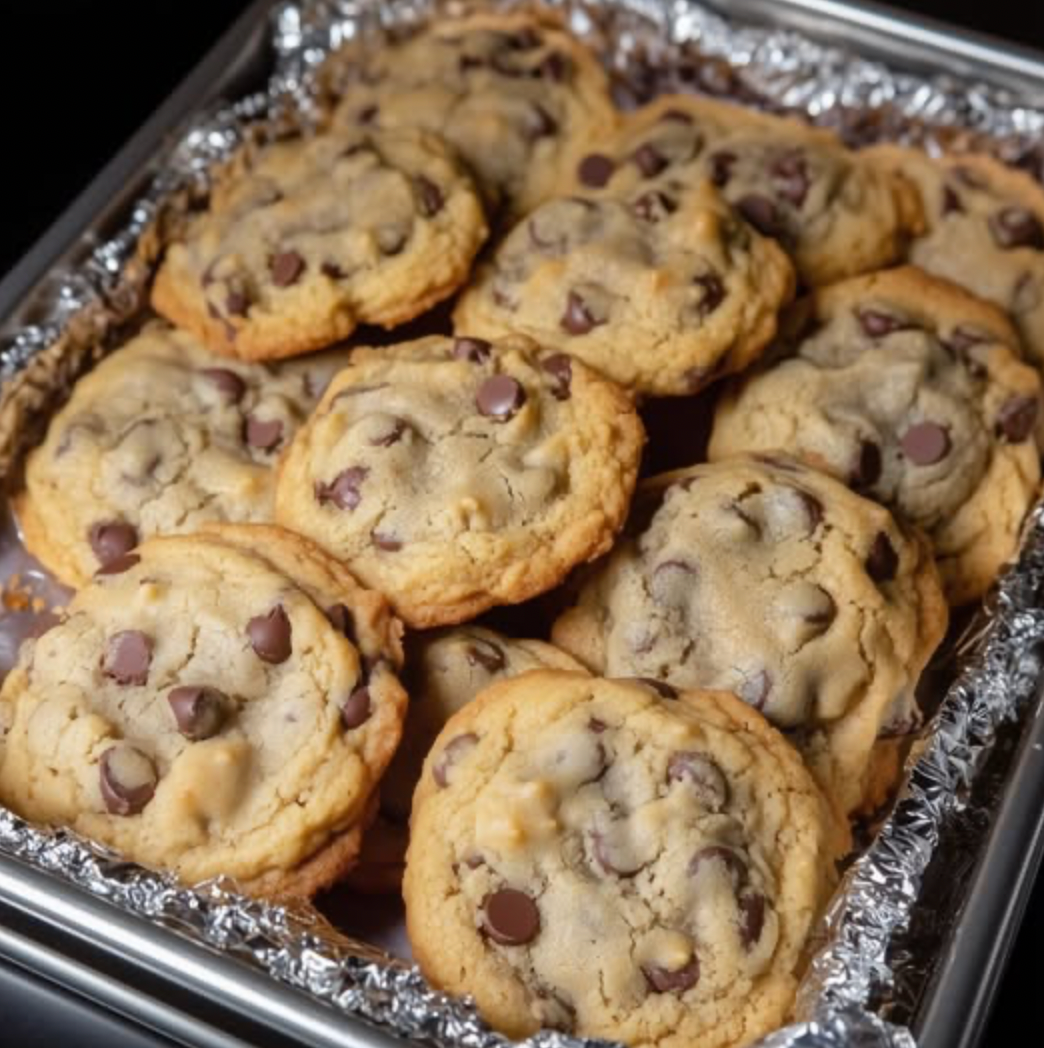
- Appearance: Golden-brown edges, slightly domed centers, with chocolate pools visible.
- Aroma: Buttery, chocolatey, and slightly caramelized—the smell alone evokes nostalgia.
It’s a cookie that satisfies both the eyes and the palate, evoking memories while standing out as a superior culinary creation.
The Final Thought
Making the “best chocolate chip cookies ever” isn’t just about following a recipe—it’s about understanding ingredients, respecting the science of baking, and paying attention to every detail, from butter temperature to baking time. With patience, care, and perhaps a little experimentation, anyone can achieve cookies that are crispy at the edges, chewy at the center, and brimming with chocolatey goodness—cookies that are genuinely unforgettable.
Whether served warm from the oven, paired with a cold glass of milk, or gifted to friends and family, these cookies prove that baking is as much about love and attention as it is about flour, sugar, and chocolate.