Some of the most unforgettable recipes come from humble kitchens where fresh ingredients, simple techniques, and generations of experience create meals that are both nourishing and deeply comforting. Traditional Amish cooking has long been admired for its focus on wholesome ingredients, seasonal produce, and uncomplicated recipes that allow natural flavors to shine. Rather than relying on elaborate seasonings or expensive ingredients, these recipes celebrate the beauty of fresh vegetables, rich butter, and careful baking.
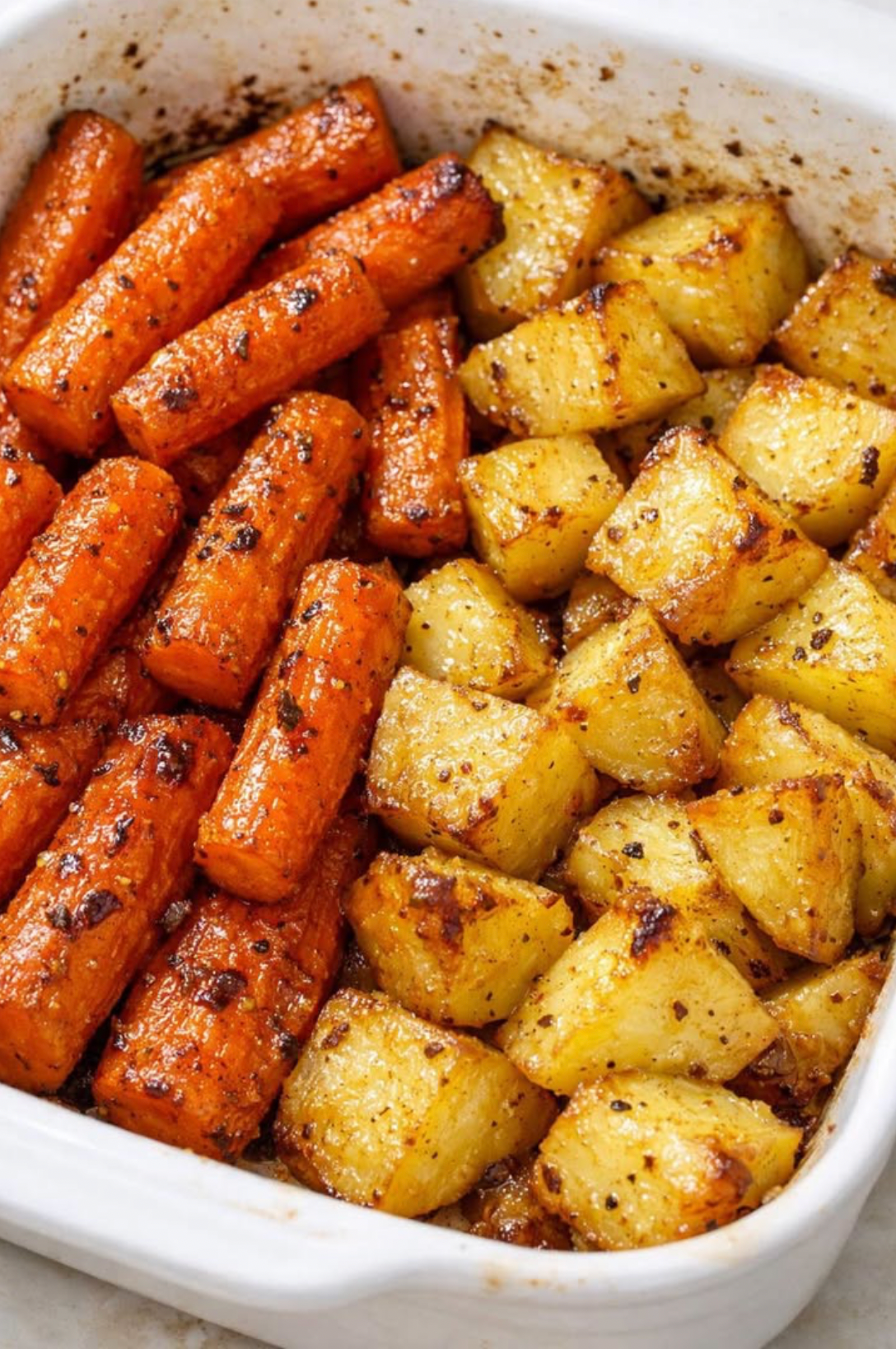
This Amish-Style 4-Ingredient Carrot and Potato Bake is a perfect example of that philosophy. With only carrots, potatoes, butter, and shredded cheese, this comforting casserole transforms everyday root vegetables into a beautifully golden side dish with tender interiors, caramelized edges, and a rich, buttery flavor. As the vegetables slowly roast together, the natural sweetness of the carrots intensifies, while the potatoes become creamy on the inside with lightly crisp edges. A generous layer of melted cheese finishes the dish with a bubbling, golden crust that brings everything together.
Although the ingredient list is wonderfully simple, the finished casserole tastes remarkably rich and satisfying. It pairs beautifully with roasted meats, grilled chicken, baked fish, pork chops, or holiday dinners, while also serving as a hearty vegetarian side dish. Whether prepared for a quiet family meal or a festive gathering, this recipe demonstrates that the most memorable dishes often come from the simplest ingredients.
Why You’ll Love This Recipe
This root vegetable bake is:
- Made with only four simple ingredients.
- Budget-friendly.
- Easy to prepare.
- Rich and buttery.
- Naturally sweet from roasted carrots.
- Crispy around the edges.
- Perfect for holidays or everyday dinners.
- Family-friendly.
Its comforting flavors appeal to both children and adults.
Ingredients
Serves 6–8 people.
Main Ingredients
- 2 pounds (900 g) Yukon Gold or Russet potatoes
- 1 pound (450 g) fresh carrots
- 6 tablespoons (85 g) unsalted butter, melted
- 2 cups (200 g) shredded sharp cheddar cheese
These four ingredients form the traditional version of the recipe.
Optional Seasonings
Although delicious with only four ingredients, many cooks enjoy adding:
- Salt
- Freshly ground black pepper
- Garlic powder
- Onion powder
- Smoked paprika
- Fresh thyme
- Rosemary
- Chopped parsley
- Chives
These seasonings enhance the vegetables while maintaining the casserole’s rustic character.
Equipment Needed
- Large cutting board
- Sharp chef’s knife
- Vegetable peeler
- Mixing bowl
- 9×13-inch baking dish
- Aluminum foil
- Cheese grater
Choosing the Best Vegetables
Potatoes
Yukon Gold potatoes provide:
- Creamy texture.
- Rich flavor.
- Beautiful golden color.
Russet potatoes also work well because they become fluffy inside while developing crisp edges.
Carrots
Choose carrots that are:
- Firm.
- Bright orange.
- Smooth.
- Medium-sized.
Fresh carrots provide the sweetest flavor after roasting.
Why Roasting Makes Root Vegetables So Delicious
Roasting transforms ordinary vegetables through gentle caramelization.
As the vegetables bake:
- Moisture slowly evaporates.
- Natural sugars become concentrated.
- The butter coats every piece.
- The edges become lightly crisp.
- The centers become soft and creamy.
This process develops far more flavor than boiling or steaming.
Step-by-Step Instructions
Step 1: Prepare the Oven
Preheat the oven to 375°F (190°C).
Lightly butter the baking dish.
Step 2: Prepare the Vegetables
Wash and peel the potatoes and carrots.
Slice them into evenly sized pieces approximately ¼ inch (6 mm) thick.
Uniform slices ensure even cooking.
Step 3: Coat with Butter
Place the vegetables into a large bowl.
Pour the melted butter over them.
Toss gently until every slice is evenly coated.
The butter helps promote browning while adding rich flavor.
Step 4: Assemble the Casserole
Arrange alternating layers of potatoes and carrots in the prepared baking dish.
Sprinkle portions of the shredded cheddar cheese between some of the layers.
Finish with the remaining cheese across the top.
This layering allows every serving to contain melted cheese throughout.
Step 5: Bake Covered
Cover the baking dish with aluminum foil.
Bake for approximately 40 minutes.
The vegetables should begin to soften while absorbing the butter.
Step 6: Brown the Top
Remove the foil.
Continue baking for another 20–25 minutes, or until:
- The cheese is bubbling.
- The vegetables are tender.
- The top becomes golden brown.
- The edges caramelize beautifully.
For additional color, broil for the final 2–3 minutes, watching carefully.
Step 7: Rest Before Serving
Allow the casserole to rest for 10 minutes.
This helps the cheese settle and makes serving easier.
Tips for Perfect Results
For the best casserole:
- Slice vegetables evenly.
- Use freshly shredded cheese.
- Layer carefully.
- Bake until fully tender.
- Allow the casserole to rest before serving.
These small details greatly improve the texture.
Delicious Variations
Garlic Herb Version
Add:
- Garlic powder
- Fresh thyme
- Rosemary
The herbs provide wonderful aroma.
Parmesan Version
Replace part of the cheddar with Parmesan.
This creates a nuttier flavor.
Gruyère Version
Gruyère melts beautifully and develops a rich golden crust.
Onion Version
Layer thinly sliced onions between the vegetables.
The onions become sweet as they roast.
Bacon Version
Sprinkle cooked crumbled bacon over the casserole during the final minutes of baking.
Its smoky flavor pairs perfectly with the buttery vegetables.
Serving Suggestions
This casserole pairs wonderfully with:
- Roast chicken
- Roast beef
- Pork loin
- Baked ham
- Turkey
- Meatloaf
- Grilled sausages
- Roast lamb
- Baked salmon
It also complements fresh green salads and steamed vegetables.
Storage
Allow leftovers to cool completely.
Store in an airtight container in the refrigerator for up to 4 days.
Reheating
Reheat in:
- Oven
- Air fryer
The oven helps restore the crisp edges and bubbly cheese.
Microwave reheating is possible but produces a softer texture.
Freezing
Freeze tightly covered for up to 2 months.
Thaw overnight before reheating.
Common Mistakes to Avoid
Thick Vegetable Slices
Very thick slices require significantly longer cooking.
Uneven Cutting
Uniform slices ensure consistent tenderness.
Using Too Little Butter
Butter contributes both flavor and caramelization.
Underbaking
Root vegetables require sufficient time to become fully tender.
Serving Immediately
Allowing the casserole to rest improves both texture and presentation.
Nutritional Highlights
Carrots provide:
- Vitamin A.
- Beta-carotene.
- Vitamin K.
- Dietary fiber.
Potatoes contribute:
- Potassium.
- Vitamin C.
- Complex carbohydrates.
Cheese supplies:
- Calcium.
- Protein.
- Rich savory flavor.
Frequently Asked Questions
Can I prepare it ahead?
Yes.
Assemble the casserole several hours ahead and refrigerate until baking.
Which cheese works best?
Sharp cheddar provides the classic flavor, although Gruyère, Monterey Jack, or mozzarella also work well.
Can I leave the potato skins on?
Yes.
Thin-skinned potatoes can be used without peeling after thorough washing.
Can I add onions?
Absolutely.
Thinly sliced onions become wonderfully sweet during roasting.
Can I double the recipe?
Yes.
Use a larger baking dish and extend the baking time slightly if necessary.
Why Traditional Amish Recipes Continue to Inspire Home Cooks
Amish cooking has remained popular because it emphasizes simplicity, quality ingredients, and practical preparation. Instead of relying on complicated techniques, these recipes highlight the natural flavors of seasonal produce through slow baking, generous use of butter, and careful cooking methods that maximize texture and flavor. Their affordability, reliability, and comforting character make them timeless choices for family meals and gatherings.
Welcome to my kitchen!
I’m a passionate home cook and recipe creator who loves turning simple ingredients into delicious, comforting meals that everyone can enjoy. Through this website, I share carefully prepared recipes, practical cooking tips, and easy-to-understand food education to help you feel more confident in the kitchen.
My goal is to make cooking simple, enjoyable, and accessible. Whether you are looking for a quick family dinner, a delicious dessert, healthy meal ideas, or traditional recipes with a modern touch, you’ll find inspiration here.
More Than Just Recipes
I believe that cooking is also a way to learn. That’s why this website is not only about recipes. I also create educational articles about ingredients, cooking techniques, kitchen tips, food preparation, and the stories behind different dishes.
Each article is designed to give you useful knowledge that you can apply in your own kitchen. From understanding how ingredients work together to learning better cooking methods, my aim is to help you become a more confident and creative cook.
My Philosophy
Good food doesn’t always require complicated ingredients or professional equipment. With a little knowledge, patience, and creativity, simple ingredients can become something truly special.
I believe in sharing recipes that are practical, clearly explained, and enjoyable to make. I also love exploring new flavors while appreciating traditional cooking and the recipes passed down through generations.
Thank you for visiting my kitchen and being part of this food-loving community. I hope my recipes and articles inspire you to cook, learn, experiment, and most importantly, enjoy every bite!
Happy cooking!