In recent years, a simple message has circulated widely on social media:
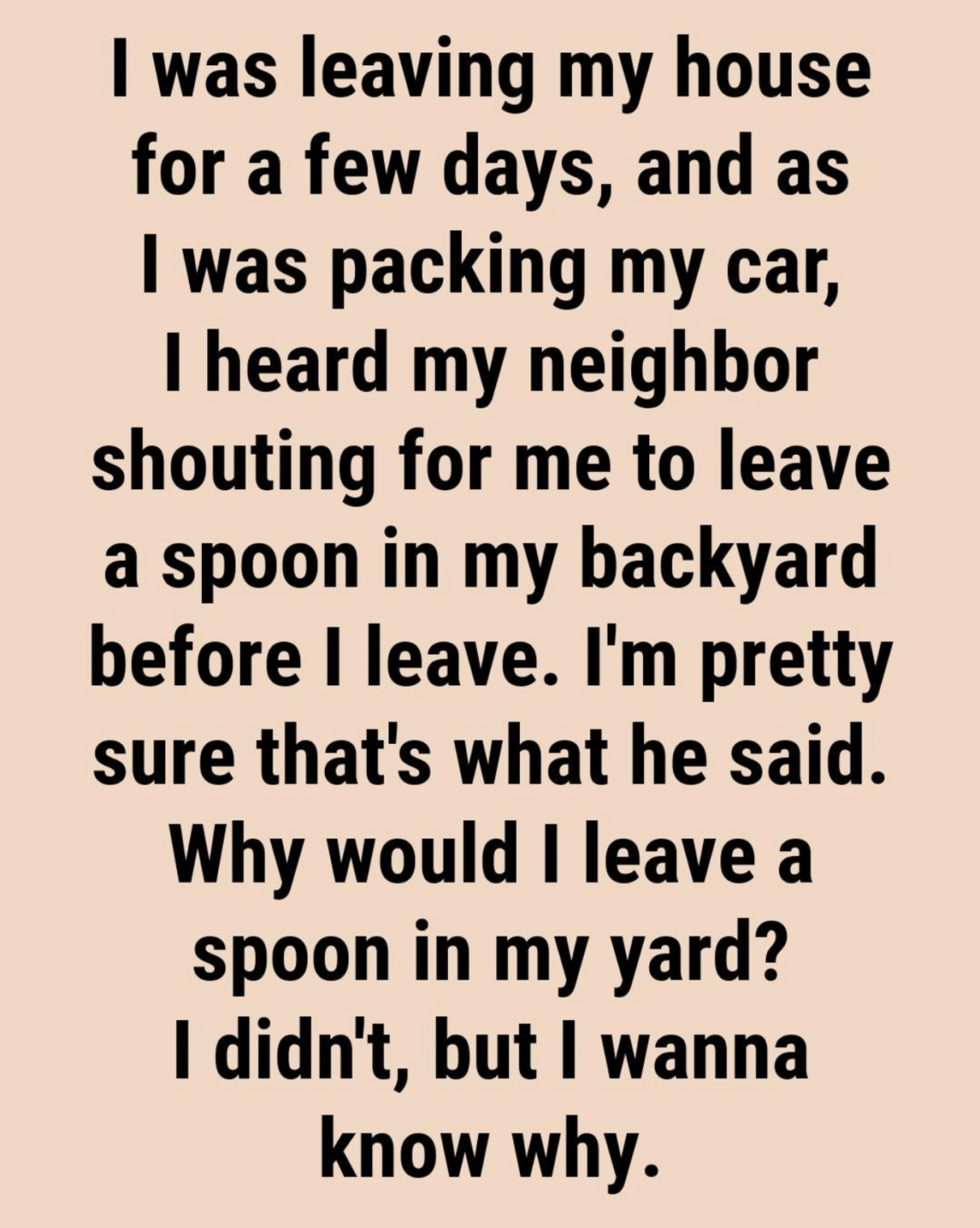
“Leave a spoon of sugar in your backyard to help tired bees.”
At first glance, it sounds like a beautiful and easy way to support nature. Bees are essential to our ecosystems, and many people genuinely want to help them survive—especially as awareness grows about declining bee populations worldwide.
But is this advice actually correct?
Does leaving sugar for bees really help them—or could it sometimes do more harm than good?
The truth is more nuanced. While sugar can occasionally help an individual bee in distress, it is not a long-term or large-scale solution. Understanding when it helps, when it doesn’t, and what bees truly need is essential if we want to support them responsibly.
Why Bees Matter So Much
Bees are not just honey producers—they are critical pollinators. Through a process called Pollination, bees help plants reproduce by transferring pollen between flowers.
This process supports:
- Wild plants and biodiversity
- Agricultural crops
- Global food production
A significant portion of the food we eat—fruits, vegetables, nuts—depends directly or indirectly on bees.
Without bees, ecosystems would weaken, and food systems would face serious challenges.
The Origin of the “Sugar Spoon” Idea
The idea became popular after a viral post claimed that exhausted bees sometimes lack energy and can be revived with a small sugar solution.
This is partially true.
Bees, especially species like the Bumblebee, can sometimes appear motionless or slow when:
- They are cold
- They are tired
- They have run out of nectar (energy source)
In such cases, a small amount of sugar water can provide a quick energy boost.
When Sugar Can Actually Help
There are specific situations where offering sugar can be beneficial:
1. You See a Single Exhausted Bee
If a bee is:
- Not flying
- Moving slowly
- Found on the ground
It may simply need energy.
What to Do
You can mix:
- 2 parts white sugar
- 1 part water
Place a tiny drop near the bee (not a large dish).
The bee may drink it and recover enough to fly away.
Important Rule: Emergency Use Only
This is key:
Sugar feeding is like giving emergency first aid—not a regular diet.
Bees naturally feed on nectar, which contains:
- Sugars
- Trace minerals
- Plant compounds
Plain sugar lacks these additional nutrients.
Why Leaving Sugar Outside Regularly Is NOT Recommended
Despite good intentions, leaving sugar in your yard continuously can create several problems:
1. Nutritional Deficiency
Sugar water is not equivalent to natural nectar. Over time, relying on sugar can weaken bees because it lacks the full nutritional profile they need.
2. Disease Spread
When multiple bees gather around the same sugar source, it increases the risk of spreading diseases and parasites among colonies.
3. Disrupting Natural Behavior
Bees are evolved to forage from flowers. Providing easy sugar sources may:
- Reduce natural foraging
- Affect plant pollination patterns
- Disrupt ecological balance
4. Attracting Other Insects
Sugar left outside can attract:
- Ants
- Wasps
- Unwanted pests
This can create competition or even danger for bees.
Better Ways to Help Bees (Long-Term Solutions)
If you truly want to support bee populations, there are much more effective and sustainable approaches:
1. Plant Bee-Friendly Flowers
The best thing you can do is provide natural food sources.
Choose plants rich in nectar and pollen such as:
- Lavender
- Sunflowers
- Wildflowers
- Herbs like thyme and rosemary
Diverse flowering plants ensure bees have food across seasons.
2. Provide Clean Water
Bees also need water. A shallow dish with small stones allows them to land safely and drink without drowning.
3. Avoid Pesticides
Chemicals used in gardens can harm or kill bees. Reducing or eliminating pesticide use is one of the most impactful actions you can take.
4. Create a Bee-Friendly Habitat
Leave parts of your garden natural:
- Undisturbed soil
- Small wood piles
- Native plants
These provide shelter for wild bees.
5. Support Local Beekeepers
Buying local honey or supporting sustainable beekeeping encourages practices that protect bee populations.
Understanding Bee Decline
Bee populations are affected by multiple factors:
- Habitat loss
- Climate change
- Pesticides
- Disease
Helping bees requires addressing these bigger issues—not just quick fixes like sugar feeding.
The Science Perspective
From a scientific standpoint, occasional sugar feeding is harmless in small, controlled situations. However, widespread or regular feeding is discouraged by many experts because it:
- Alters natural feeding patterns
- Lacks nutritional diversity
- Can contribute to ecological imbalance
Common Misconceptions
“All bees are dying on the ground”
Not always. Some bees rest temporarily.
“Sugar is always good for bees”
Only in emergencies—not as a regular food source.
“One spoon can save the ecosystem”
Helping bees requires broader actions.
What to Do If You Want to Help Right Now
If you want immediate action:
- Plant at least one flowering plant
- Provide a small water source
- Avoid chemicals
- Only use sugar solution for a single struggling bee
Welcome to my kitchen!
I’m a passionate home cook and recipe creator who loves turning simple ingredients into delicious, comforting meals that everyone can enjoy. Through this website, I share carefully prepared recipes, practical cooking tips, and easy-to-understand food education to help you feel more confident in the kitchen.
My goal is to make cooking simple, enjoyable, and accessible. Whether you are looking for a quick family dinner, a delicious dessert, healthy meal ideas, or traditional recipes with a modern touch, you’ll find inspiration here.
More Than Just Recipes
I believe that cooking is also a way to learn. That’s why this website is not only about recipes. I also create educational articles about ingredients, cooking techniques, kitchen tips, food preparation, and the stories behind different dishes.
Each article is designed to give you useful knowledge that you can apply in your own kitchen. From understanding how ingredients work together to learning better cooking methods, my aim is to help you become a more confident and creative cook.
My Philosophy
Good food doesn’t always require complicated ingredients or professional equipment. With a little knowledge, patience, and creativity, simple ingredients can become something truly special.
I believe in sharing recipes that are practical, clearly explained, and enjoyable to make. I also love exploring new flavors while appreciating traditional cooking and the recipes passed down through generations.
Thank you for visiting my kitchen and being part of this food-loving community. I hope my recipes and articles inspire you to cook, learn, experiment, and most importantly, enjoy every bite!
Happy cooking!