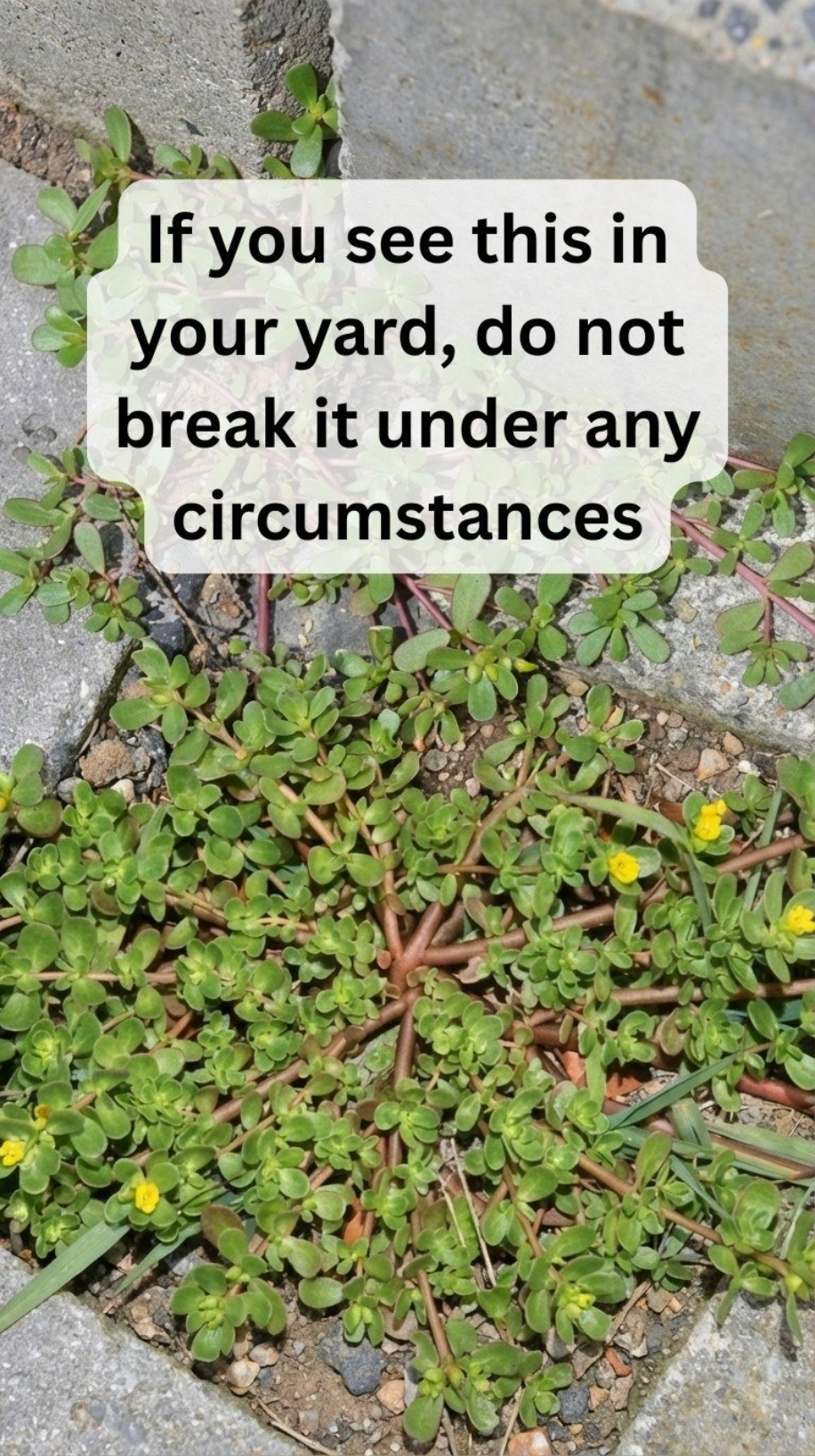
Many people see purslane growing in gardens, sidewalks, or cracks in pavement and immediately pull it out as a weed. It grows low to the ground, spreads quickly, and often appears where it wasn’t planted. Because of that, it is commonly misunderstood and removed without a second thought.
But what most people don’t realize is that this humble plant—known as purslane—is actually one of the most nutrient-dense wild greens in the world. In many cultures, it is not a weed at all, but a valued vegetable, eaten fresh in salads, cooked in stews, or used as a health-boosting ingredient.
Once you understand its benefits, you may start looking at this “garden invader” very differently.
1. It Is Extremely Nutrient-Dense
Purslane is often called a “superfood” because of its impressive nutritional profile.
It contains:
- omega-3 fatty acids (rare in plants)
- vitamins A, C, and E
- magnesium
- potassium
- calcium
- iron
- antioxidants
What makes it special is that it provides omega-3s typically found in fish, making it especially valuable for plant-based diets.
In fact, very few leafy greens match its nutrient density.
2. It Supports Heart Health
One of the most important benefits of purslane is its potential support for cardiovascular health.
Thanks to its omega-3 fatty acids, it may help:
- reduce inflammation
- support healthy cholesterol levels
- improve blood vessel function
- promote overall heart health
Combined with antioxidants, it contributes to protecting cells from oxidative stress.
This makes it more than just a leafy green—it is a functional food with real nutritional impact.
3. It Helps the Body Fight Inflammation
Chronic inflammation is linked to many modern health issues.
Purslane contains:
- antioxidants
- flavonoids
- omega-3 fatty acids
These compounds work together to help reduce inflammatory responses in the body.
This is why it has been traditionally used in herbal medicine across different cultures for centuries.
4. It Is Surprisingly Delicious and Versatile
Despite being labeled a weed, purslane has a mild, slightly tangy taste with a refreshing crunch.
Its flavor is often described as:
- lemony
- slightly salty
- fresh and crisp
It can be eaten:
- raw in salads
- sautéed like spinach
- added to soups and stews
- mixed into yogurt or dips
- blended into smoothies
In Mediterranean and Middle Eastern cuisines, it is a common traditional ingredient, not a wild intruder.
5. It Grows Easily Without Effort
Unlike many garden plants, purslane is incredibly resilient.
It thrives in:
- poor soil
- hot climates
- dry conditions
- neglected areas
It requires:
- no fertilizers
- very little watering
- minimal maintenance
In fact, it often grows better when ignored.
This makes it a naturally sustainable food source that doesn’t demand agricultural resources.
6. It Improves Soil Health Over Time
Purslane doesn’t just grow—it interacts positively with its environment.
Its presence can help:
- protect soil from erosion
- retain moisture in the ground
- support beneficial microorganisms
- cover bare soil and reduce weed competition
Instead of damaging gardens, it can actually contribute to healthier soil conditions when managed properly.
7. It Has a Long History in Traditional Medicine
For centuries, purslane has been used in various traditional healing systems.
Historically, it has been associated with:
- digestive support
- skin soothing properties
- cooling effects in hot climates
- general vitality and wellness
While modern science is still studying many of these effects, its long history of use shows that it has been valued far beyond its “weed” reputation.
8. It Is One of the Most Sustainable Foods You Can Find
In a world where sustainability matters more than ever, purslane stands out.
It is:
- naturally drought-resistant
- fast-growing
- self-seeding
- widely adaptable
It doesn’t require:
- irrigation systems
- pesticides
- intensive farming
This makes it an environmentally friendly food source that grows almost effortlessly.
In many ways, it represents what future food systems aim to achieve: high nutrition with minimal environmental cost.
Why People Mistake It for a Weed
Purslane spreads low along the ground and grows quickly in disturbed soil. Because it appears in places where people don’t intentionally plant it, it is often labeled as unwanted.
However, “weed” is not a scientific category—it simply means a plant growing where someone doesn’t want it.
In the case of purslane, that label hides its true value.
How to Use It Safely
If you decide to harvest purslane, it is important to:
- pick it from clean, pesticide-free areas
- wash it thoroughly
- avoid roadside or polluted soil
Once cleaned, it can be enjoyed like any leafy green vegetable.

Welcome to my kitchen!
I’m a passionate home cook and recipe creator who loves turning simple ingredients into delicious, comforting meals that everyone can enjoy. Through this website, I share carefully prepared recipes, practical cooking tips, and easy-to-understand food education to help you feel more confident in the kitchen.
My goal is to make cooking simple, enjoyable, and accessible. Whether you are looking for a quick family dinner, a delicious dessert, healthy meal ideas, or traditional recipes with a modern touch, you’ll find inspiration here.
More Than Just Recipes
I believe that cooking is also a way to learn. That’s why this website is not only about recipes. I also create educational articles about ingredients, cooking techniques, kitchen tips, food preparation, and the stories behind different dishes.
Each article is designed to give you useful knowledge that you can apply in your own kitchen. From understanding how ingredients work together to learning better cooking methods, my aim is to help you become a more confident and creative cook.
My Philosophy
Good food doesn’t always require complicated ingredients or professional equipment. With a little knowledge, patience, and creativity, simple ingredients can become something truly special.
I believe in sharing recipes that are practical, clearly explained, and enjoyable to make. I also love exploring new flavors while appreciating traditional cooking and the recipes passed down through generations.
Thank you for visiting my kitchen and being part of this food-loving community. I hope my recipes and articles inspire you to cook, learn, experiment, and most importantly, enjoy every bite!
Happy cooking!