When I first set up my kitchen, I thought keeping everything on the countertops was the most practical approach. After all, having items within arm’s reach makes cooking faster and easier, right?
But over time, something became clear: my counters weren’t just “convenient”—they were becoming overcrowded, messy, and less hygienic. Even worse, I noticed that some foods and items weren’t lasting as long as they should.
A clean, organized kitchen isn’t just about aesthetics. It also affects food freshness, hygiene, and how efficiently you move while cooking.
Here are 10 common kitchen items you should avoid keeping on your countertops, along with where they actually belong for better storage and longer-lasting freshness.
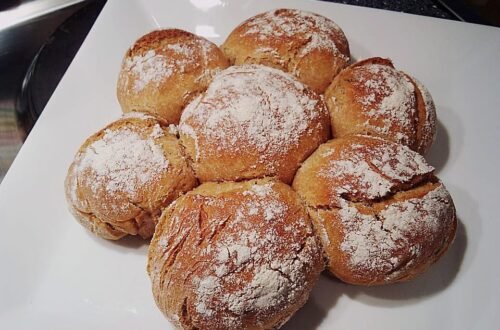
1. Bread
It may feel natural to leave bread on the counter for easy access, but this is one of the fastest ways to ruin it.
When exposed to air:
- bread dries out quickly
- it becomes stale faster
- moisture can encourage mold growth
- texture and softness are lost
Depending on your kitchen temperature and humidity, bread can spoil or harden in just a few days.
Better storage options:
- bread box (best option)
- pantry in a sealed bag
- freezer for long-term storage
Freezing sliced bread and toasting it as needed can keep it fresh for weeks without waste.
2. Onions
Many people store onions on counters in decorative baskets, but this is not always ideal.
Onions:
- absorb moisture from the air
- sprout faster in warm environments
- release strong odors
- can attract insects if left exposed
Better storage options:
- cool, dark pantry
- mesh bag or ventilated container
- away from potatoes (they spoil each other faster)
Proper airflow and darkness help onions last much longer.
3. Potatoes
Like onions, potatoes are often left on counters—but this can shorten their shelf life.
When exposed to light or warmth:
- potatoes sprout
- turn green (which can be toxic if consumed in large amounts)
- lose texture and flavor
Better storage options:
- paper bag in a pantry
- cardboard box in a cool, dark place
- well-ventilated container
Avoid plastic bags, which trap moisture and speed up spoilage.
4. Cooking Oil
Many people keep olive oil or vegetable oil on the counter for convenience, but heat and light can degrade oil quality.
Exposure leads to:
- rancid taste
- loss of nutritional value
- faster spoilage
- unpleasant odor over time
Better storage options:
- dark cupboard
- sealed container away from stove heat
- cool pantry shelf
Only keep small amounts out for daily use if necessary.
5. Coffee Beans or Ground Coffee
Coffee is extremely sensitive to air, light, heat, and moisture.
Leaving it on the counter:
- reduces freshness
- flattens flavor
- speeds up oxidation
- makes coffee taste stale
Better storage options:
- airtight container
- pantry or cupboard
- opaque jar to block light
For best flavor, avoid storing coffee near the stove or windows.
6. Fruits (All Types)
A fruit bowl on the counter looks attractive, but not all fruits belong there.
Problems include:
- faster overripening
- fruit flies
- uneven spoilage
- loss of freshness
Some fruits like bananas, apples, and tomatoes release ethylene gas, which can make other fruits spoil faster.
Better storage options:
- refrigerate berries, grapes, and cut fruit
- separate ethylene-producing fruits
- store only small amounts at room temperature
7. Spices
Keeping spice jars near the stove is a very common mistake.
Heat, steam, and light can:
- weaken flavor
- reduce aroma
- shorten shelf life
- cause clumping
Better storage options:
- dark cabinet or drawer
- away from stove and dishwasher
- airtight containers
Spices last much longer when stored in cool, dry environments.
8. Dish Soap and Cleaning Products
While convenient near the sink, visible cleaning products can contribute to a cluttered look and sometimes even safety issues.
Risks include:
- accidental spills
- exposure to heat or sunlight degradation
- confusion with food containers in busy kitchens
Better storage options:
- under-sink cabinet
- designated cleaning caddy
- closed storage bin
Keeping them hidden also improves kitchen appearance instantly.
9. Medications or Supplements
Some people leave daily vitamins or medications on kitchen counters as reminders, but this is not ideal.
Exposure to:
- heat
- humidity
- sunlight
can reduce effectiveness of certain medications and supplements.
Better storage options:
- bedroom drawer
- medicine cabinet
- labeled storage box in a cool area
Always follow storage instructions on packaging.
10. Paper Towels and Napkins
Paper products are extremely absorbent and easily affected by kitchen conditions.
On counters, they can:
- absorb moisture from cooking
- become contaminated by splashes
- look messy over time
- take up valuable space
Better storage options:
- wall-mounted holder
- cabinet storage
- drawer organizer
This keeps them clean, dry, and accessible without clutter.
Why Countertop Clutter Is a Bigger Problem Than It Looks
A crowded kitchen counter doesn’t just look messy—it can actually affect how you cook.
Clutter can:
- reduce workspace
- increase cleaning difficulty
- encourage food contamination
- make cooking less efficient
- create visual stress
A clean counter encourages smoother cooking and better organization overall.
Simple Rule for a Better Kitchen
A helpful rule many professional organizers use is:
“If it’s not used daily during cooking, it shouldn’t live on the counter.”
This keeps your space functional instead of overwhelming.
Welcome to my kitchen!
I’m a passionate home cook and recipe creator who loves turning simple ingredients into delicious, comforting meals that everyone can enjoy. Through this website, I share carefully prepared recipes, practical cooking tips, and easy-to-understand food education to help you feel more confident in the kitchen.
My goal is to make cooking simple, enjoyable, and accessible. Whether you are looking for a quick family dinner, a delicious dessert, healthy meal ideas, or traditional recipes with a modern touch, you’ll find inspiration here.
More Than Just Recipes
I believe that cooking is also a way to learn. That’s why this website is not only about recipes. I also create educational articles about ingredients, cooking techniques, kitchen tips, food preparation, and the stories behind different dishes.
Each article is designed to give you useful knowledge that you can apply in your own kitchen. From understanding how ingredients work together to learning better cooking methods, my aim is to help you become a more confident and creative cook.
My Philosophy
Good food doesn’t always require complicated ingredients or professional equipment. With a little knowledge, patience, and creativity, simple ingredients can become something truly special.
I believe in sharing recipes that are practical, clearly explained, and enjoyable to make. I also love exploring new flavors while appreciating traditional cooking and the recipes passed down through generations.
Thank you for visiting my kitchen and being part of this food-loving community. I hope my recipes and articles inspire you to cook, learn, experiment, and most importantly, enjoy every bite!
Happy cooking!