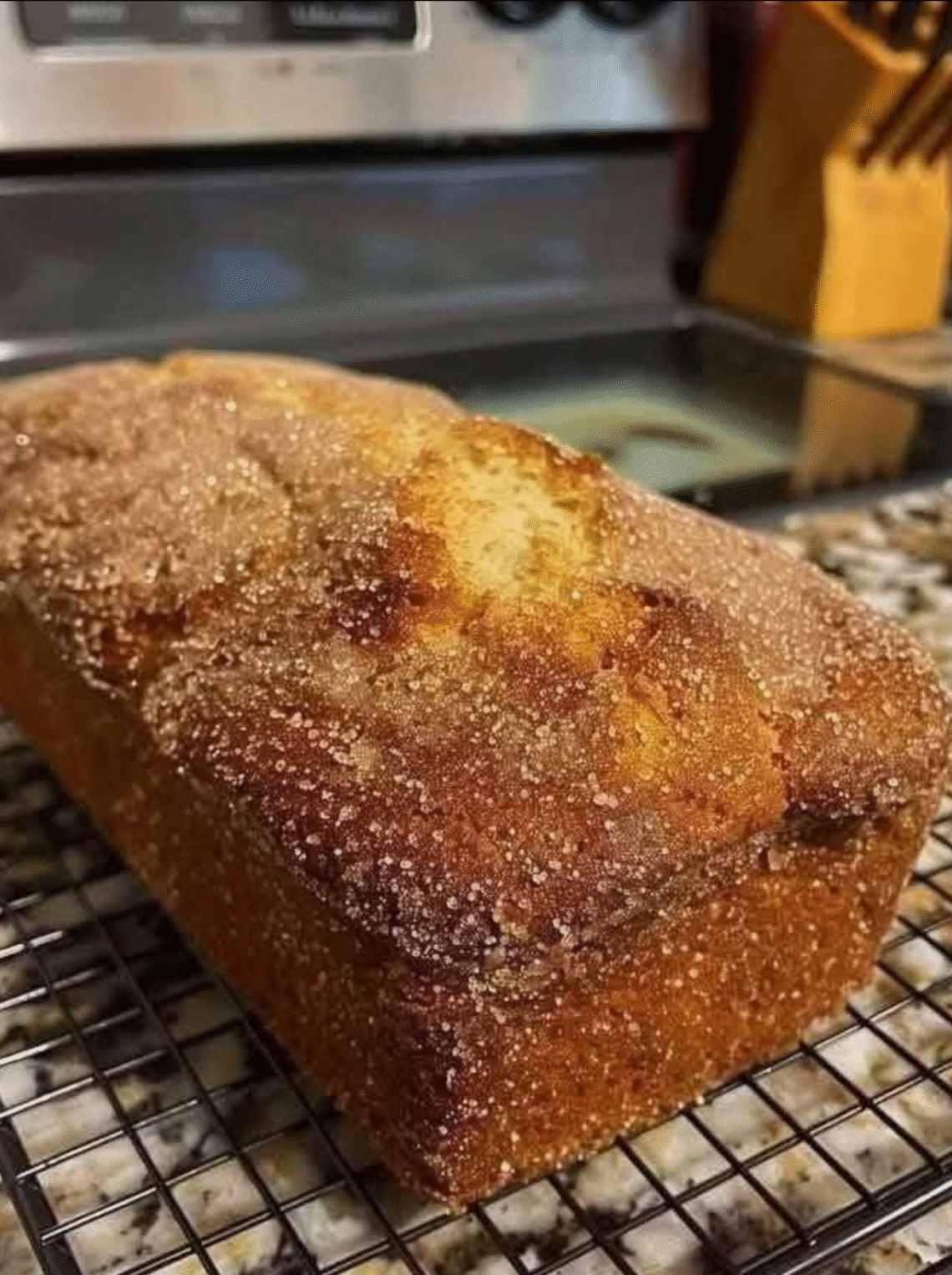
Brioche is not just bread — it’s a work of art. This rich, golden loaf from France sits at the crossroads between bread and pastry, known for its tender crumb, buttery aroma, and soft, almost cake-like texture. Where simple bread relies on water and flour, brioche transforms with the luxurious addition of butter, eggs, and sometimes milk.
It’s a dough that demands patience, precision, and care — but the reward is a loaf so soft and flavorful that it can be served plain, toasted with jam, or used as the foundation for French toast, sandwiches, or bread pudding.
This recipe walks you through each stage of making authentic brioche — from activating the yeast to kneading the high-fat dough, to proofing and baking it to a perfect burnished golden finish.
Ingredients (for 1 large loaf or 12 small rolls)
For the Dough:
- 4 cups (480 g) all-purpose flour or bread flour, plus more for dusting
- 1/3 cup (65 g) granulated sugar
- 1 teaspoon fine sea salt
- 1 tablespoon instant yeast (or 1 packet active dry yeast)
- 4 large eggs, at room temperature
- 1/4 cup (60 ml) whole milk, warm (about 100°F / 38°C)
- 1 cup (225 g) unsalted butter, softened to room temperature and cut into small cubes
For the Egg Wash:
- 1 egg, beaten with 1 tablespoon milk
Optional (for flavor variation):
- 1 teaspoon vanilla extract or zest of 1 lemon or orange for aroma
Step-by-Step Instructions
1. Activate the Yeast (if using active dry yeast)
In a small bowl, combine the warm milk with the yeast and a teaspoon of sugar. Stir gently and let it stand for about 10 minutes, until the surface becomes foamy and bubbly. This shows the yeast is alive and active.
If using instant yeast, you can skip this step and add it directly to the dry ingredients.
2. Combine the Dry Ingredients
In the bowl of a stand mixer fitted with the dough hook, combine the flour, sugar, and salt. Stir to distribute evenly.
Yeast and salt should never be in direct contact — the salt can inhibit yeast growth — so mix thoroughly before proceeding.
3. Add the Wet Ingredients
In a separate bowl, whisk together the eggs and the milk (or the milk-and-yeast mixture, if using active dry yeast).
Pour the egg mixture into the dry ingredients. Start mixing on low speed until the dough begins to come together. It will be shaggy and slightly sticky at first — that’s normal.
Increase the speed to medium and knead for about 5 minutes, until the dough becomes smoother and starts to pull away from the sides of the bowl.
4. Incorporate the Butter — Slowly
This is the defining moment of brioche making. The butter should be soft but not melted — pliable, like clay at room temperature.
With the mixer running on medium-low speed, add the butter one tablespoon at a time, allowing each piece to fully incorporate before adding the next. This gradual addition ensures that the fat emulsifies into the dough rather than separating it.
Continue mixing for 10 to 12 minutes, or until the dough is glossy, elastic, and smooth. It should form a soft ball that slaps lightly against the bowl but doesn’t stick excessively.
To test readiness, stretch a small piece between your fingers — it should form a thin, translucent “windowpane” without tearing easily.
5. The First Rise (Bulk Fermentation)
Lightly oil a large bowl and transfer the dough into it. Cover tightly with plastic wrap or a damp towel.
Let the dough rise in a warm, draft-free place (about 75°F / 24°C) for 1 to 1½ hours, or until doubled in size.
The dough will feel lighter, with visible air bubbles beneath the surface. Brioche dough rises more slowly than lean doughs because the butter and eggs make it heavier, so patience is key here.
6. Chill the Dough
Once the first rise is complete, gently punch down the dough to release excess gas. Cover it again and refrigerate for at least 6 hours, or overnight.
This chilling period is essential: it firms up the butter inside the dough, making it easier to shape later, and develops a deeper, more complex flavor.
7. Shape the Brioche
After chilling, turn the dough out onto a lightly floured surface. It should be soft but no longer sticky.
For a classic loaf, divide the dough into 8 equal pieces, roll each piece into a tight ball, and arrange them in two rows inside a buttered loaf pan.
For individual rolls, divide into 12 pieces and place them in a muffin tin or round baking pan.
Cover loosely with plastic wrap and allow to rise again at room temperature for 1½ to 2 hours, or until doubled in volume and puffy to the touch.
8. Preheat the Oven
Preheat the oven to 375°F (190°C). Position a rack in the center.
Brush the top of the dough with the egg wash — this gives brioche its signature golden sheen. Be gentle to avoid deflating the dough.
9. Bake Until Golden and Fragrant
Bake for 25 to 30 minutes for a loaf, or 18 to 22 minutes for rolls. The top should be a deep amber color and the interior temperature should reach 190°F (88°C) when checked with an instant-read thermometer.
If the top is browning too quickly, loosely cover it with aluminum foil during the final minutes of baking.
10. Cool and Serve
Remove from the oven and let cool in the pan for 10 minutes, then transfer to a wire rack. Brioche needs at least 30 minutes to cool before slicing, as the interior continues to set during this time.
When sliced, the texture should be feathery, buttery, and tender — each strand of dough should pull apart easily.
Storage and Make-Ahead
- At room temperature: Keep covered in a bread box or airtight container for up to 3 days.
- In the refrigerator: Store for up to 5 days, but bring to room temperature or rewarm before serving.
- To freeze: Wrap tightly in plastic wrap, then in foil, and freeze for up to 2 months. Thaw overnight at room temperature.
Serving Suggestions
- Breakfast: Serve toasted with butter and jam, or as the base for French toast.
- Savory pairing: Use for gourmet sandwiches, such as roast chicken, ham and cheese, or smoked salmon with crème fraîche.
- Dessert: Transform into bread pudding or serve with whipped cream and fruit compote.
- Festive presentation: Shape the dough into a braided loaf or small buns for a holiday table centerpiece.
Expert Tips
- Do not rush the process. Each rest period allows gluten and flavor to develop fully.
- Temperature control matters. If the dough becomes too warm, the butter may melt and leak, creating a greasy texture.
- Use a kitchen scale. Brioche is sensitive to ratios; accurate measurements are crucial.
- Chill the dough before shaping. Cold dough is easier to work with and holds its structure better.
- Don’t skip the egg wash. It’s what gives brioche its rich, glossy crust.
The Science of Brioche
The secret to brioche lies in emulsification — the process by which the butter and eggs bond with the gluten structure of the dough. This creates a fine, even crumb and a tender mouthfeel.
The high fat content shortens the gluten strands slightly, which gives brioche its delicate texture and prevents it from becoming chewy like traditional bread. The sugar also helps with browning, while the eggs provide both structure and richness.
Every element in this dough plays a precise role, making brioche a perfect example of how baking is both art and chemistry.
Final Thoughts
Brioche is not meant to be rushed or simplified — it’s a bread that teaches patience and rewards precision. The first time you pull a warm, golden loaf from the oven, the aroma alone will tell you that the time and care were worth it.
Its buttery crumb, gentle sweetness, and beautiful sheen make it a masterpiece in any baker’s repertoire — a reminder that true comfort often comes from craft, not convenience.
Once you master brioche, you’ll understand why the French never confuse it with “two-ingredient bread.” It’s elegance, tradition, and satisfaction all in one perfect loaf.