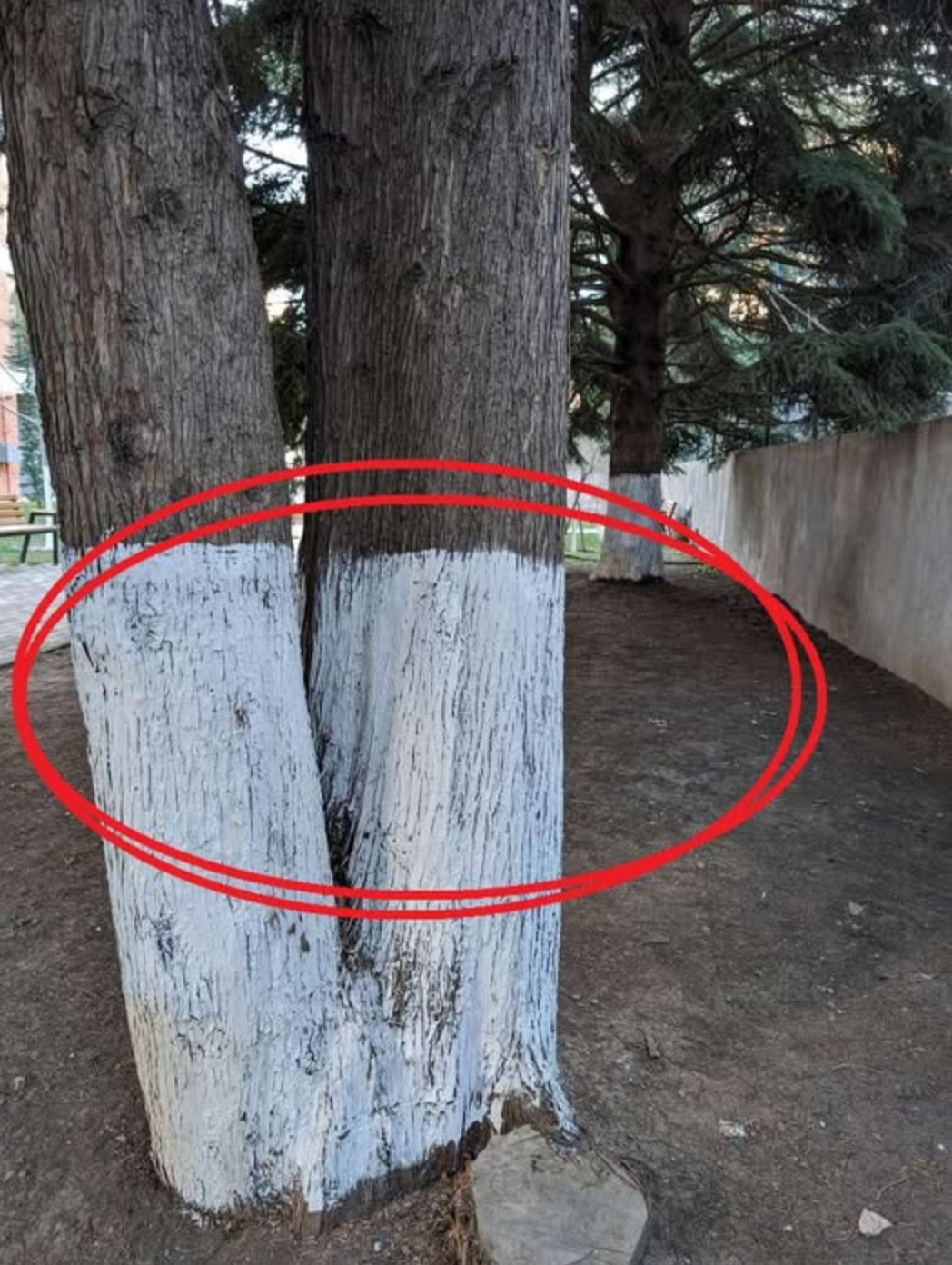
If you’ve ever driven down a rural road or strolled through an orchard, you might have noticed an unusual sight: the trunks of certain trees painted stark white from base to a few feet up. At first glance, it might look like an odd decorative choice, an artistic flourish, or even a quirk of gardeners with too much time on their hands. But there’s much more to this practice than meets the eye. Painting tree trunks white is a time-honored tradition rooted in agriculture, tree care, and even pest management, and it’s backed by both practical wisdom and modern science.
This seemingly simple gesture—brushing a coat of white paint onto a tree—has been used for centuries around the world, and for good reason. From protecting delicate bark to preventing disease and even managing sunlight exposure, whitewashing trees is a subtle but crucial practice that can safeguard trees through harsh weather, pests, and environmental stress.
The Primary Reason: Sunscald Prevention
One of the main reasons trees are painted white is to prevent sunscald, a form of winter injury that affects bark:
- What is Sunscald?
Sunscald occurs when the bark of a tree warms up during a sunny winter day, causing the inner tissues to break dormancy prematurely. When temperatures drop sharply at night, this sudden warming and freezing cycle can damage the bark, leading to cracks, splits, or necrotic tissue. - How White Paint Helps:
White reflects sunlight, preventing the bark from heating up too much during the day. By moderating temperature swings, white paint protects the tree’s vascular system and prevents the painful cracks that can compromise the tree’s health.
Sunscald is particularly common in young trees and thin-barked species, such as apple, pear, maple, and certain ornamental trees. Older, thick-barked trees are more resistant, but younger trunks are especially vulnerable.
Pest Deterrence
Painting tree trunks white can also help reduce pest infestations:
- Insects and Larvae: Some insects, like borers, are less likely to target a trunk treated with whitewash, because the coating can create a barrier to egg-laying or larval entry.
- Rodents: In orchards, rodents such as voles can chew the bark during winter when other food is scarce. The white coating, often combined with slightly rough textures, may discourage gnawing, protecting the tree’s cambium layer.
This protective effect is particularly important in commercial orchards, where a single pest invasion can damage many trees and significantly reduce fruit yield.
Temperature Regulation and Moisture Protection
Beyond preventing sunscald and pests, whitewashing also helps with temperature and moisture management:
- Thermal Reflection: White surfaces reflect more sunlight than bare bark, preventing excessive warming in early spring and late winter.
- Moisture Retention: Some traditional tree paints include lime or clay, which can absorb excess moisture, prevent fungal growth, and reduce the risk of bark rot.
- Frost Protection: In areas with repeated freeze-thaw cycles, the paint can reduce stress on the tree by buffering extreme temperature swings.
In short, the white paint acts as a seasonal shield, creating a more stable microenvironment for the tree’s trunk.
What Is Typically Used to Paint Trees?
The composition of tree paint varies depending on tradition, region, and purpose:
- Traditional Whitewash: A mixture of lime and water is the classic solution. It’s inexpensive, safe, and effective for reflecting sunlight. Sometimes, small amounts of copper sulfate or clay are added for antifungal and protective properties.
- Commercial Tree Paints: Modern products may include acrylic-based paints or latex formulations, which are easier to apply, longer-lasting, and less likely to wash away in rain.
- DIY Recipes: Gardeners often make their own mixtures using lime, water, and a small amount of glue or detergent to help the coating stick to the bark.
Regardless of the formula, the goal is the same: protect the trunk while allowing it to breathe. Most effective paints are water-based and non-toxic, so they won’t harm the tree’s living tissues.
Which Trees Benefit Most from White Painting?
While many trees can be painted, the practice is particularly recommended for:
- Young fruit trees: Apples, pears, and peaches are especially susceptible to sunscald and rodent damage.
- Ornamental trees: Maples, cherries, and certain decorative trees benefit from trunk protection during winter months.
- Thin-barked species: Trees with delicate bark, which is more prone to cracking under temperature stress.
Typically, the lower 2–4 feet of the trunk are painted, as this is the portion most exposed to sun, rodents, and extreme weather conditions.
Seasonal Timing
The timing of painting is crucial to maximize effectiveness:
- Late Fall: After leaf drop and before the first hard frost is ideal, so the tree is fully dormant.
- Early Spring: Some gardeners apply or touch up white paint in early spring to protect against late frosts and sudden sunny days.
Painting at the right time ensures the tree receives protection when it is most vulnerable.
Additional Benefits
Beyond practical protection, whitewashing trees has other advantages:
- Aesthetic Appeal: In orchards, painted tree trunks give a clean, organized, and visually striking appearance.
- Disease Control: Some formulations contain fungicidal components, helping reduce the spread of trunk infections.
- Preventing Bark Splitting in Newly Planted Trees: Newly transplanted trees are particularly vulnerable to sunburn, frost cracks, and temperature stress; a coat of white paint gives them extra resilience.
Modern Perspectives
While traditional practices sometimes get dismissed as old-fashioned, modern arborists and horticulturists recognize the scientific validity of tree whitewashing. Research shows that reflective coatings can reduce sunscald injury by up to 80% in vulnerable species, making it a simple, cost-effective preventative measure.
Even urban planners have adopted the technique in street trees and parks, particularly in cities with hot, reflective pavement, where temperature swings can stress young trees.
How to Apply White Paint Correctly
- Clean the Trunk: Remove loose bark, dirt, or debris.
- Mix the Whitewash: Use lime and water, or a commercial tree paint, following manufacturer instructions.
- Brush on an Even Coat: Apply from the base of the trunk up to about 3–4 feet. A second coat may be applied if needed.
- Avoid Leaves and Buds: Only paint the trunk and main branches, leaving foliage untouched.
Final Thoughts
Next time you see a row of trees with bright white trunks glinting in the sun, remember: it’s not merely decorative. It’s a centuries-old, scientifically validated practice that protects trees from sunscald, frost, pests, and disease. This simple coating reflects sunlight, regulates temperature, and even deters pests, all while supporting the tree’s health and longevity.
Whitewashing trees is a reminder that some of the most effective solutions are simple, natural, and rooted in observation. It’s a quiet winter secret, passed down through generations of farmers, gardeners, and arborists—a blend of tradition, science, and care for the living world around us.