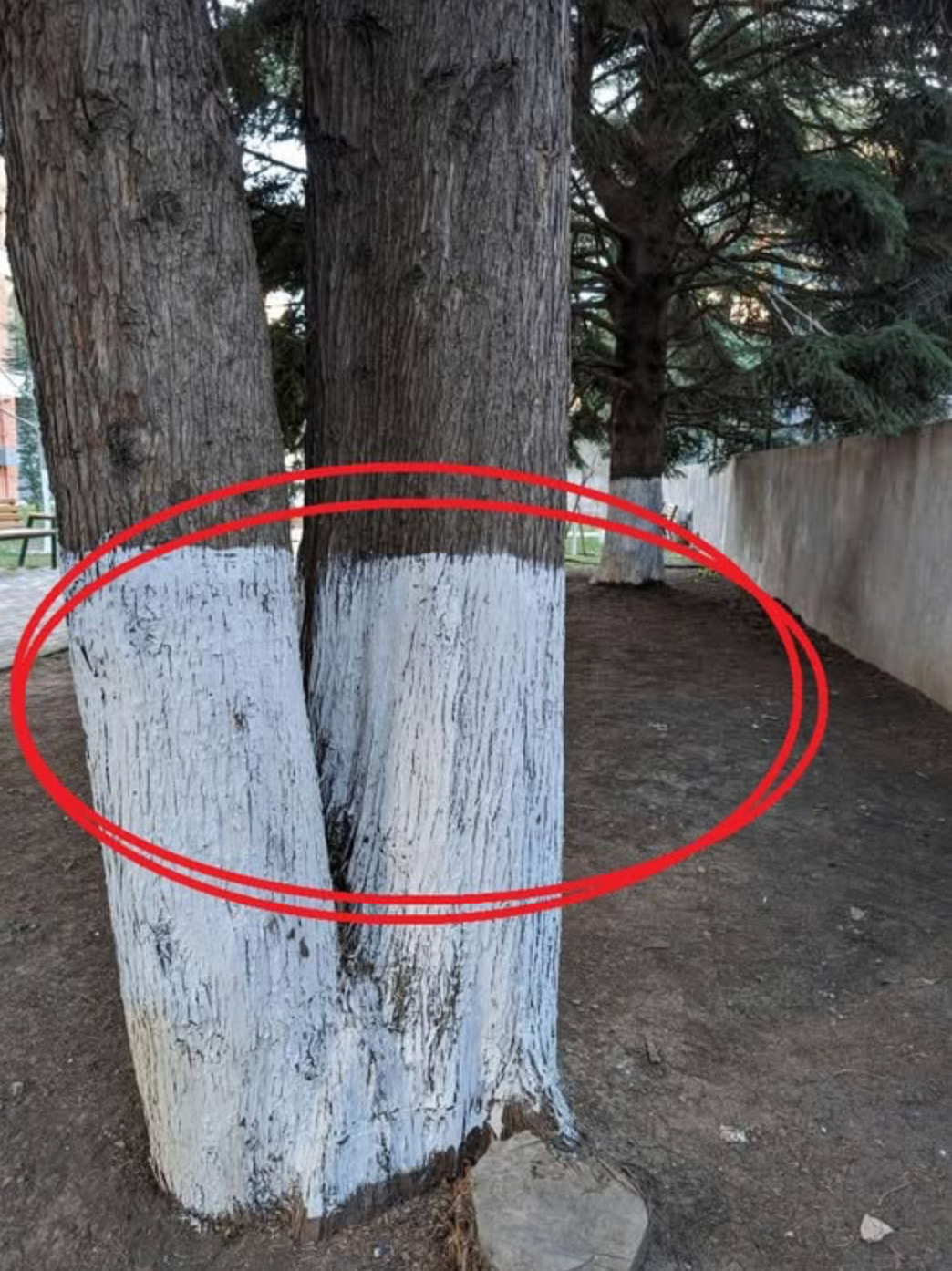
If you’ve ever walked down a quiet street in winter or wandered through a snowy orchard, you may have noticed a curious sight: the trunks of some trees painted white, gleaming like chalk against the muted colors of the season. At first glance, it might seem purely decorative or even artistic—perhaps someone had taken a fancy to their trees. But the truth is far more practical, scientific, and surprisingly clever. There’s a whole world of horticultural reasoning behind this simple act, and it has more to do with survival than aesthetics.
The History Behind the Practice
Painting tree trunks white is not a new invention. In fact, it’s a practice that has been around for centuries, used by farmers and gardeners across the world. Early European orchards, as well as orchards in North America, were known to employ this technique, and the tradition continues to this day. In some regions, it was even considered a cultural symbol of care for one’s land and crops.
Initially, the practice was likely born out of observation. Farmers noticed that trees with lighter-colored trunks seemed to survive the winter better, suffered less damage from pests, and produced healthier fruit. Over time, this became a deliberate method, refined and passed down through generations.
The Science of the White Paint
So why white? The answer lies in physics and biology. During winter, especially in regions with fluctuating temperatures, trees face a dangerous phenomenon called sunscald. During the day, the sun warms the bark, sometimes dramatically, while nights can drop to freezing or below. This rapid heating and cooling causes the outer bark to expand and contract repeatedly, which can crack or split it—a serious injury that leaves the tree vulnerable to diseases, insects, and even death.
White paint works because it reflects sunlight, rather than absorbing it like darker bark would. By reflecting much of the sun’s energy, the paint helps the trunk maintain a more consistent temperature throughout the day, reducing the stress caused by rapid temperature swings. This simple, low-tech solution can prevent major damage to the tree during the cold months.
Additional Benefits Beyond Sun Protection
Sunscald is not the only reason trees get painted. There are several other practical benefits:
- Pest Deterrence: Some tree paints contain mild insect-repelling ingredients, discouraging borers, ants, and other insects that might burrow into vulnerable bark. By keeping the trunk less hospitable, the tree is better protected during winter and early spring.
- Fungal and Disease Prevention: The paint creates a protective layer that reduces moisture buildup and inhibits the growth of certain fungi and bacteria. In areas prone to fungal infections, painted trunks can make a noticeable difference in tree health.
- Rodent Protection: In orchards and gardens, rodents sometimes gnaw on bark during winter when food is scarce. White paint can act as a slight deterrent, making the bark less appealing or noticeable.
- Visibility and Safety: In urban areas or along roads, painting tree trunks white can improve visibility for drivers and pedestrians, especially in foggy or snowy conditions. It’s an added safety measure that complements its horticultural purpose.
How It’s Done
If you’ve never painted a tree trunk yourself, it’s a surprisingly simple process—but there are some best practices to ensure the tree benefits rather than suffers:
- Choose the Right Paint: Traditional tree paints are usually water-based and often mixed with lime (calcium hydroxide). Modern formulations may include latex-based paints mixed with water. The key is to avoid paints with harmful chemicals that could penetrate the bark and damage the tree.
- Clean the Trunk First: Remove any loose bark, dirt, or moss to ensure the paint adheres properly.
- Apply Evenly: Using a brush, apply a thin, even coat from the base of the trunk up to the first main branches. Typically, about 2–4 feet high is sufficient, though some gardeners cover taller portions depending on sun exposure.
- Timing Matters: The best time to paint trees is late fall, after leaves have dropped but before the harshest winter temperatures arrive. This timing allows the paint to protect the trunk through the most vulnerable months.
- Reapply as Needed: Over time, weather, rain, and snow can wear away the paint, so many gardeners reapply every one to two years, depending on conditions.
Urban and Decorative Uses
While its primary purpose is practical, white-painted trunks have become a subtle element of landscape aesthetics. They provide contrast in winter gardens, highlight the structure of young trees, and even give streets and parks a clean, orderly appearance. In some cultures, painting trees is a symbolic act, representing care for nature and respect for the land.
A Winter Secret Revealed
Next time you walk past a row of trees with glistening white trunks in winter, you can appreciate more than their visual charm. That white paint is a protective shield, a simple but powerful technique that combines ancient wisdom with scientific reasoning. It safeguards trees from the brutal stress of sunscald, wards off pests, prevents disease, and helps ensure the tree will survive to bloom and bear fruit in the coming seasons.
In short, white-painted trunks are not just decorative—they’re a winter survival strategy, a secret whispered by generations of gardeners, orchardists, and tree lovers. What seems like a simple, even whimsical choice is actually a careful, thoughtful practice rooted in biology, physics, and centuries of observation.
So next time you see a white tree trunk, don’t just walk past. Take a moment to admire the ingenuity of this low-tech, highly effective method. It’s a quiet winter secret, one that keeps trees safe, healthy, and ready to thrive when spring finally arrives.