A Tiny Detail with a Surprisingly Useful Purpose
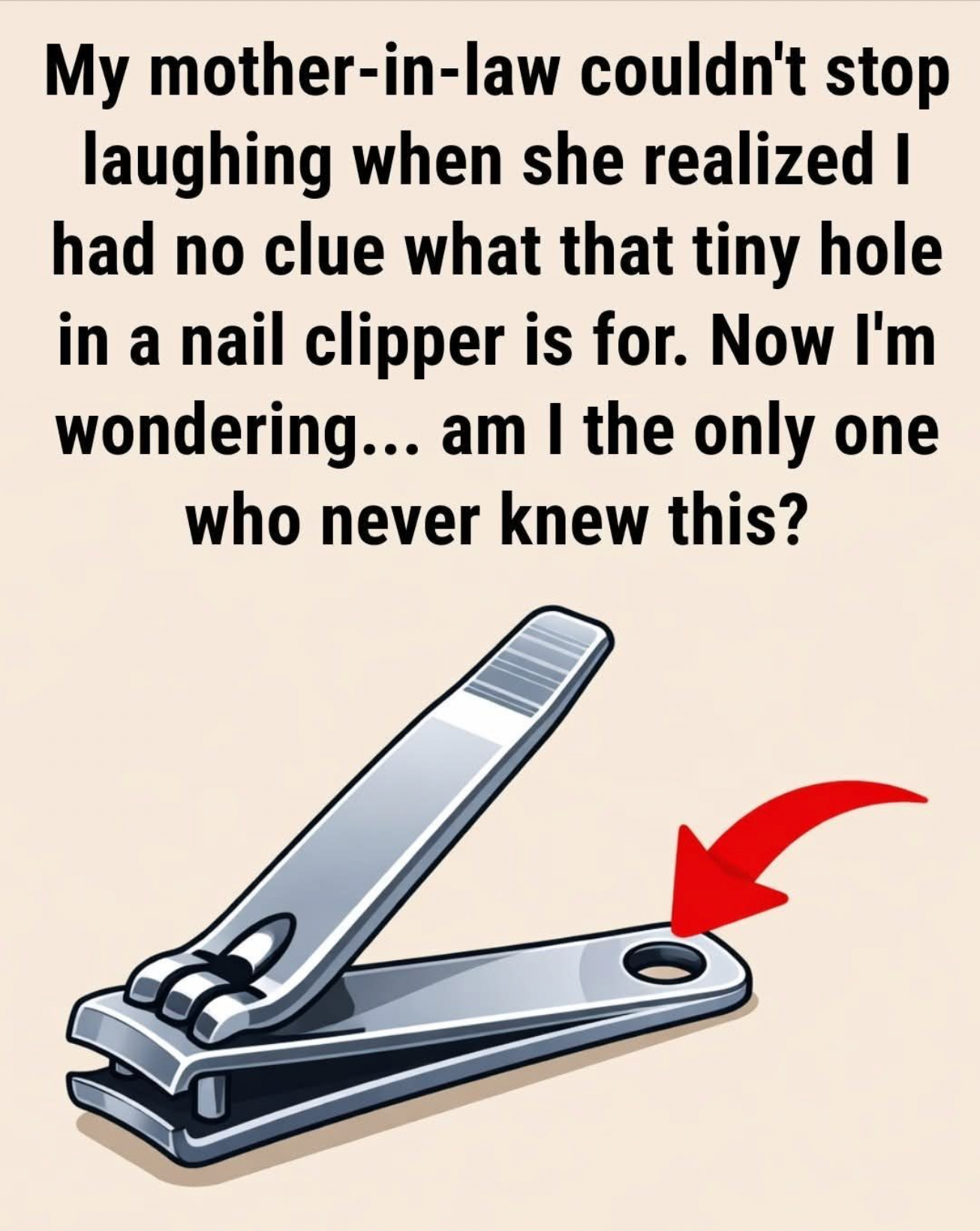
At first glance, a nail clipper looks like one of the simplest tools in your daily routine. Two metal arms, a cutting edge, a small lever—that’s it. But if you look closely, you’ll notice a small round hole, usually at the end of the clipper or near the lever.
Most people ignore it. Some assume it’s decorative. Others think it’s just part of the manufacturing process. In reality, that tiny hole is a thoughtfully designed feature with multiple practical uses—some obvious, others surprisingly clever.
This guide dives deep into the purpose of that small round hole, how it’s used, and why such a simple detail reflects smart, efficient design.
The Primary Purpose: Attachment and Portability
1. Keychain or Loop Attachment
The most common function of the small hole is:
- Attaching the nail clipper to a keychain
- Hanging it from a hook
- Securing it to a travel kit
Why This Matters
Nail clippers are small and easy to lose. By adding a hole:
- You can keep them accessible
- You reduce the chance of misplacing them
- You make them more travel-friendly
Everyday Uses
- Attach to house keys
- Clip onto a toiletry bag
- Hang in a bathroom organizer
This transforms the clipper from a loose item into something integrated into your daily carry.
Secondary Purpose: Stability and Control
2. Improved Grip and Handling
In some designs, the hole can help:
- Provide a point for better grip
- Allow finger placement for control
Why It Helps
When clipping nails:
- Precision matters
- Slipping can lead to uneven cuts
Using the hole as a subtle grip point can improve:
- Stability
- Control
- Accuracy
Hidden Function: Lever Mechanics
3. Part of the Lever Design
The small hole is often connected to how the clipper’s lever functions.
How Nail Clippers Work
- The lever multiplies force
- Pressure is transferred to the cutting edges
The hole may:
- Reduce weight
- Balance the lever
- Assist in smooth movement
Result
- Easier cutting
- Less effort required
- More consistent performance
Practical Storage Uses
4. Hanging for Organization
The hole allows you to:
- Hang the clipper on a hook
- Store it neatly in visible places
Benefits
- Keeps tools clean
- Prevents clutter
- Makes access easier
Travel and Hygiene Advantages
5. Keeping Clippers Clean and Accessible
When attached or hung:
- Clippers are less likely to fall on dirty surfaces
- Easier to keep separate from other items
This is especially useful for:
- Travel kits
- Shared bathrooms
Unexpected Creative Uses
6. Multipurpose Tool Adaptations
Some people use the hole creatively:
- Attach a small chain or cord
- Combine with other grooming tools
- Keep it as part of a compact toolkit
While not its original purpose, the hole adds flexibility.
Why Such a Small Detail Matters
1. Design Efficiency
Good design often includes small features that:
- Add value without complexity
- Improve usability
The hole is a perfect example of:
- Minimal effort
- Maximum utility
2. User Convenience
It solves real problems:
- Losing small items
- Poor organization
- Lack of portability
3. Durability and Simplicity
Instead of adding extra parts, the hole:
- Requires no maintenance
- Cannot break
- Works in any condition
Comparing Clippers With and Without the Hole
With Hole
- Easier to store
- More portable
- More versatile
Without Hole
- Slightly simpler
- Less flexible in use
Common Misconceptions
“It’s Just Decorative”
Not true—it has clear functional benefits.
“It’s for Manufacturing Only”
While it may assist production, its real value is for the user.
“It Doesn’t Matter”
In daily use, small conveniences add up—and this is one of them.
The Bigger Picture: Small Features, Big Impact
This tiny hole reflects a broader principle in tool design:
- Small details improve everyday life
- Simplicity can be powerful
- Thoughtful design often goes unnoticed
It shows how even the most ordinary object can be optimized for:
- Convenience
- Efficiency
- Practical use