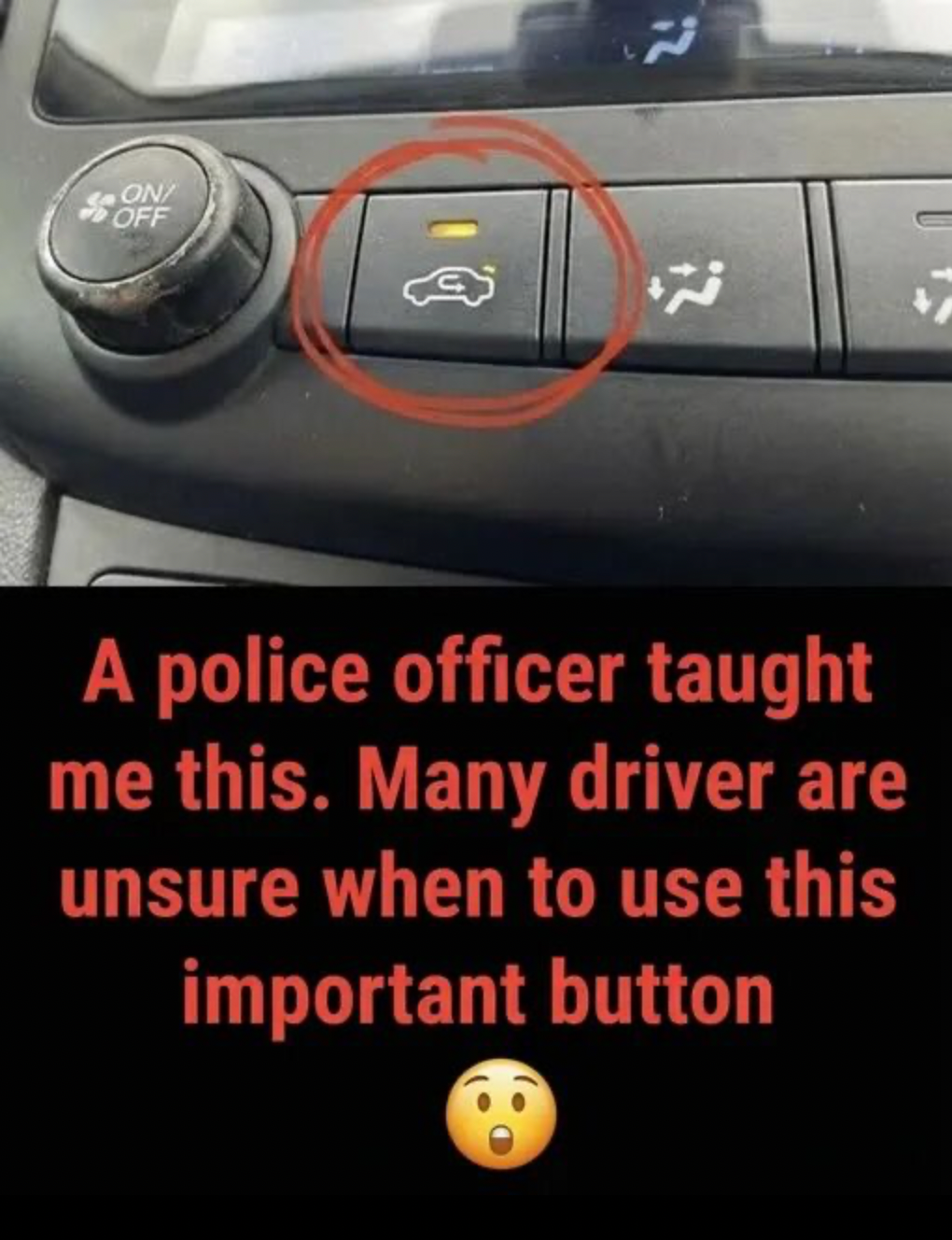
A Complete Guide to Using It the Smart Way for Comfort, Air Quality, and Efficiency
That small icon on your dashboard—a car with a circular arrow inside—often goes unnoticed. It looks simple, almost insignificant. But behind that symbol is a feature that can quietly transform your driving experience when used correctly.
The air recirculation button is not just another climate control option. It directly affects how air flows inside your vehicle, how quickly your cabin cools or heats, how clean the air feels, and even how efficiently your system operates.
Understanding when and how to use it can make your drives more comfortable, healthier, and more efficient.
What the Air Recirculation Button Actually Does
At its core, the air recirculation function controls where your car pulls air from.
Two Modes Exist:
1. Fresh Air Mode (Default)
- The system pulls air from outside the vehicle
- That air is then heated or cooled and blown into the cabin
2. Recirculation Mode
- The system reuses the air already inside the cabin
- Outside air intake is reduced or temporarily blocked
Simple Way to Think About It
- Fresh air mode = bringing new air in
- Recirculation mode = reusing the air you already have
Why This Matters More Than You Think
Airflow affects multiple aspects of your driving experience:
- Cabin temperature
- Air quality
- Energy use
- Comfort level
Using the wrong mode at the wrong time can lead to:
- Slow cooling or heating
- Foggy windows
- Stale air
- Reduced efficiency
When You SHOULD Use Air Recirculation
1. On Hot Days (Maximum Cooling Efficiency)
This is the most important and effective use.
Why It Works
When your car is hot:
- Outside air is hotter than inside air
- Cooling outside air takes more effort
By recirculating:
- The system cools already-cooled air
- Temperature drops faster
- The AC works less hard
Result
- Faster cooling
- Stronger airflow effect
- Improved comfort
2. In Heavy Traffic or Pollution
When driving in areas with:
- Exhaust fumes
- Dust
- Smoke
- Strong odors
Recirculation helps by:
- Limiting outside air intake
- Keeping polluted air out of the cabin
Benefit
- Cleaner air inside the car
- Reduced exposure to harmful particles
3. In Extremely Humid or Hot Conditions
Recirculation helps the system remove humidity from the air more effectively.
Result
- Drier, cooler air
- More comfortable cabin
4. When Driving Through Strong Smells
Examples include:
- Garbage areas
- Industrial zones
- Farms
- Smoke zones
Using recirculation prevents unpleasant odors from entering the car.
When You SHOULD NOT Use Air Recirculation
1. In Cold Weather (Heating Mode)
In winter, recirculation can trap moisture inside the car.
What Happens
- Warm air holds moisture
- Moisture builds up from breathing and wet clothes
- Windows begin to fog
Better Option
Use fresh air mode to:
- Bring in drier outside air
- Reduce condensation
2. When Windows Are Fogging Up
Fogging occurs when:
- Moist air condenses on cooler glass
Recirculation can worsen this by:
- Recycling humid air
Solution
Switch to fresh air mode and use defrost settings.
3. On Long Drives Without Ventilation
Using recirculation continuously can lead to:
- Stale air
- Increased carbon dioxide levels
- Reduced alertness
Recommendation
Switch between modes occasionally to refresh the air.
How It Affects Fuel Efficiency
This feature has a small but real impact on efficiency.
With Recirculation On:
- The AC system works less
- Less energy is required to cool air
- Slight fuel savings may occur
With Recirculation Off:
- The system constantly cools new hot air
- Requires more energy
While the difference is not massive, over time it contributes to overall efficiency.
Impact on Air Quality
Air recirculation can both help and harm air quality depending on usage.
Positive Effects
- Blocks external pollution
- Reduces dust and allergens
- Limits exposure to fumes
Negative Effects (If Overused)
- Air becomes stale
- Oxygen levels slightly decrease
- Moisture accumulates
Balance is key.
Smart Usage Strategy
The best approach is not to choose one mode permanently, but to use both intelligently.
Ideal Pattern
- Start with recirculation in hot conditions
- Switch to fresh air after cooling
- Use fresh air in cold or humid conditions
- Alternate modes on long drives
Common Mistakes Drivers Make
1. Leaving It On All the Time
This can lead to:
- Stale air
- Foggy windows
- Reduced comfort
2. Never Using It
This results in:
- Slower cooling
- Increased energy use
- More exposure to pollution
3. Using It During Defrost
This makes window fog worse instead of better.
The Role in Modern Cars
Many newer vehicles automatically manage air recirculation based on:
- Temperature
- Humidity
- Air quality sensors
However, manual control is still valuable for specific situations.
The Science Behind It
Air conditioning systems work by:
- Removing heat from air
- Circulating cooled air
When you recirculate air:
- The system works with already-conditioned air
- Less energy is needed
When using fresh air:
- The system must continuously process new air
Safety Considerations
Proper use improves:
- Visibility (less fogging when used correctly)
- Alertness (fresh air prevents drowsiness)
- Comfort (stable temperature and airflow)
Improper use can:
- Reduce visibility
- Cause discomfort
- Affect concentration over long drives