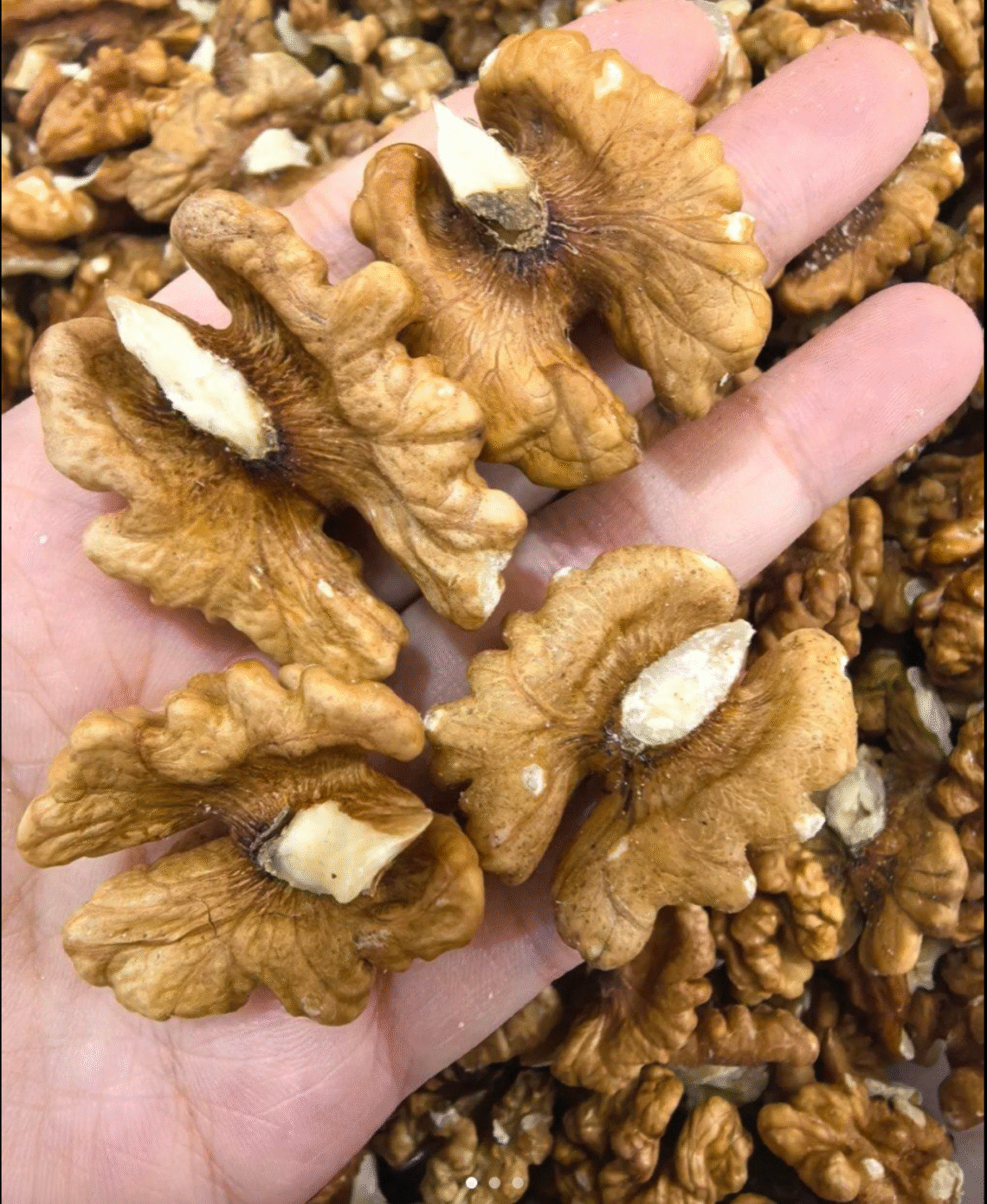
Walnuts, those nutty, heart-shaped treasures that come in their hard shell, are often overlooked as a simple snack. But did you know that incorporating walnuts into your daily diet can have a profound impact on your health? From brain power to heart health, the humble walnut is a true powerhouse of nutrients. In this article, doctors and health experts break down the remarkable health benefits of eating walnuts every day and what happens to your body over time.
1. Boosts Heart Health
Perhaps the most well-known benefit of walnuts is their positive impact on heart health. A growing body of research has shown that walnuts can help reduce the risk of heart disease by supporting healthy cholesterol levels and improving overall cardiovascular health.
How Walnuts Help:
- Rich in Omega-3 Fatty Acids: Walnuts are one of the best plant-based sources of omega-3 fatty acids, specifically alpha-linolenic acid (ALA), which has been shown to lower bad cholesterol (LDL) and raise good cholesterol (HDL). This helps reduce the buildup of plaque in the arteries, lowering the risk of atherosclerosis and heart attack.
- Improves Blood Vessel Function: Studies suggest that daily walnut consumption can improve blood vessel function by promoting the relaxation of blood vessels, which leads to better blood circulation and reduced blood pressure. A study from the American Heart Association found that people who ate walnuts regularly had lower systolic blood pressure and improved artery function.
- Antioxidants: Walnuts are also packed with antioxidants, including vitamin E and polyphenols, which help protect the heart from oxidative stress and inflammation, both of which contribute to cardiovascular disease.
2. Supports Brain Health and Cognitive Function
Walnuts are often referred to as “brain food” because of their beneficial effects on cognitive health. They are rich in nutrients that support brain function, improve memory, and may even help prevent age-related decline.
How Walnuts Help:
- Omega-3 Fatty Acids for Brain Function: As mentioned earlier, walnuts are high in ALA, an omega-3 fatty acid that is essential for brain health. Omega-3s play a crucial role in memory, learning, and overall cognitive performance. In fact, omega-3 fatty acids have been linked to lower levels of depression and anxiety, as well as better cognitive functioning in older adults.
- Anti-Inflammatory Benefits: Chronic inflammation is a known contributor to neurodegenerative diseases such as Alzheimer’s disease and Parkinson’s disease. Walnuts contain antioxidants and anti-inflammatory compounds that help protect the brain from oxidative damage and inflammation, potentially reducing the risk of cognitive decline as you age.
- Improves Memory: Some studies suggest that eating walnuts daily may improve memory performance in both younger and older adults. A study from California Walnut Commission found that consuming walnuts improved cognitive performance in children and older adults, particularly in tasks requiring memory retention and processing speed.
3. Promotes Gut Health
The health of your gut microbiome plays a critical role in your overall health, from immune function to mental health. Research has shown that walnuts can positively influence the balance of gut bacteria, promoting a healthy microbiome.
How Walnuts Help:
- Prebiotics for Gut Bacteria: Walnuts contain prebiotic fibers, which nourish the beneficial bacteria in your gut. These fibers act as food for your gut’s microbiome, promoting the growth of good bacteria like Bifidobacteria and Lactobacilli. A healthy microbiome is associated with better digestion, immune function, and even mood regulation.
- Reduces Inflammation: Walnuts have anti-inflammatory properties that can reduce gut inflammation, which is important for maintaining a healthy digestive system. Chronic inflammation in the gut is linked to conditions such as irritable bowel syndrome (IBS), inflammatory bowel disease (IBD), and other digestive disorders.
- Helps with Digestion: The fiber content in walnuts (about 2 grams of fiber per ounce) also helps keep things moving in the digestive tract, preventing constipation and promoting regular bowel movements. Fiber is also key for overall digestive health.
4. Helps Manage Weight
While nuts are often considered calorie-dense, walnuts are actually great for supporting a healthy weight when consumed in moderation. They can help curb hunger and promote satiety, leading to better weight management.
How Walnuts Help:
- Rich in Healthy Fats and Protein: Walnuts are packed with healthy fats (mostly polyunsaturated fats) and protein, both of which are filling and help control appetite. When you eat walnuts, their combination of proteinand fiber can help keep you feeling fuller for longer, making it easier to stick to a healthy eating plan and avoid overeating.
- Regulates Appetite Hormones: Eating walnuts has been shown to influence the release of hormones like ghrelin, which is responsible for signaling hunger, and leptin, which signals satiety. Regular walnut consumption may help balance these hormones, promoting healthy appetite control.
- Supports Healthy Metabolism: Walnuts have also been linked to improved fat oxidation and metabolism, which may help your body burn fat more efficiently. Studies show that eating nuts like walnuts can increase energy expenditure, helping you maintain a healthy weight.
5. Supports Healthy Skin
The healthy fats, antioxidants, and vitamins in walnuts can help keep your skin looking youthful and radiant.
How Walnuts Help:
- Omega-3s for Skin Health: The omega-3 fatty acids in walnuts help maintain the integrity of the skin’s cell membranes, keeping them strong and hydrated. These healthy fats also have anti-inflammatory properties that can help reduce the appearance of redness and irritation.
- Antioxidants for Anti-Aging: Walnuts contain powerful antioxidants like vitamin E, melatonin, and polyphenols, which help protect the skin from oxidative damage caused by free radicals and environmental stressors like UV rays and pollution. These antioxidants can help reduce the appearance of wrinkles, fine lines, and age spots.
- Improves Skin Elasticity: The zinc in walnuts is also beneficial for collagen production, which is essential for maintaining skin elasticity. Collagen helps keep your skin firm and smooth, preventing sagging and promoting a youthful appearance.
6. Promotes Healthy Sleep
Many people don’t realize that walnuts are actually a natural source of melatonin, a hormone that helps regulate your sleep-wake cycle.
How Walnuts Help:
- Melatonin for Better Sleep: Walnuts contain small amounts of melatonin, which is the same hormone that our bodies produce to help us fall asleep. By consuming walnuts regularly, you may experience improved sleep qualityand duration.
- Improves Sleep Quality: Research shows that melatonin-rich foods like walnuts can help improve overall sleep quality, especially if consumed in the evening before bed. The melatonin in walnuts can help you fall asleep faster and stay asleep longer, contributing to better rest and recovery.
7. Supports Healthy Blood Sugar Levels
Walnuts may also help regulate blood sugar levels, which is important for maintaining diabetes management and preventing the onset of type 2 diabetes.
How Walnuts Help:
- Low Glycemic Index: Walnuts have a low glycemic index, meaning they do not cause significant spikes in blood sugar. This makes them a great choice for people with diabetes or those looking to manage their blood sugar levels.
- Improves Insulin Sensitivity: Studies have shown that eating walnuts can improve insulin sensitivity, which means your body is better able to manage and use insulin effectively. This may help prevent insulin resistance, a key factor in the development of type 2 diabetes.
- Controls Appetite and Cravings: The fiber and protein in walnuts can help control blood sugar by reducing cravings and hunger, which can help prevent overeating or unhealthy food choices that cause blood sugar fluctuations.
Conclusion: The Power of Walnuts
Eating walnuts every day can have a profound and positive effect on your health. From promoting heart health and brain function to supporting gut health, skin health, and even improving sleep, walnuts are a nutritious, versatileaddition to any diet. Their combination of healthy fats, protein, fiber, and antioxidants makes them one of the most beneficial foods you can incorporate into your daily routine.