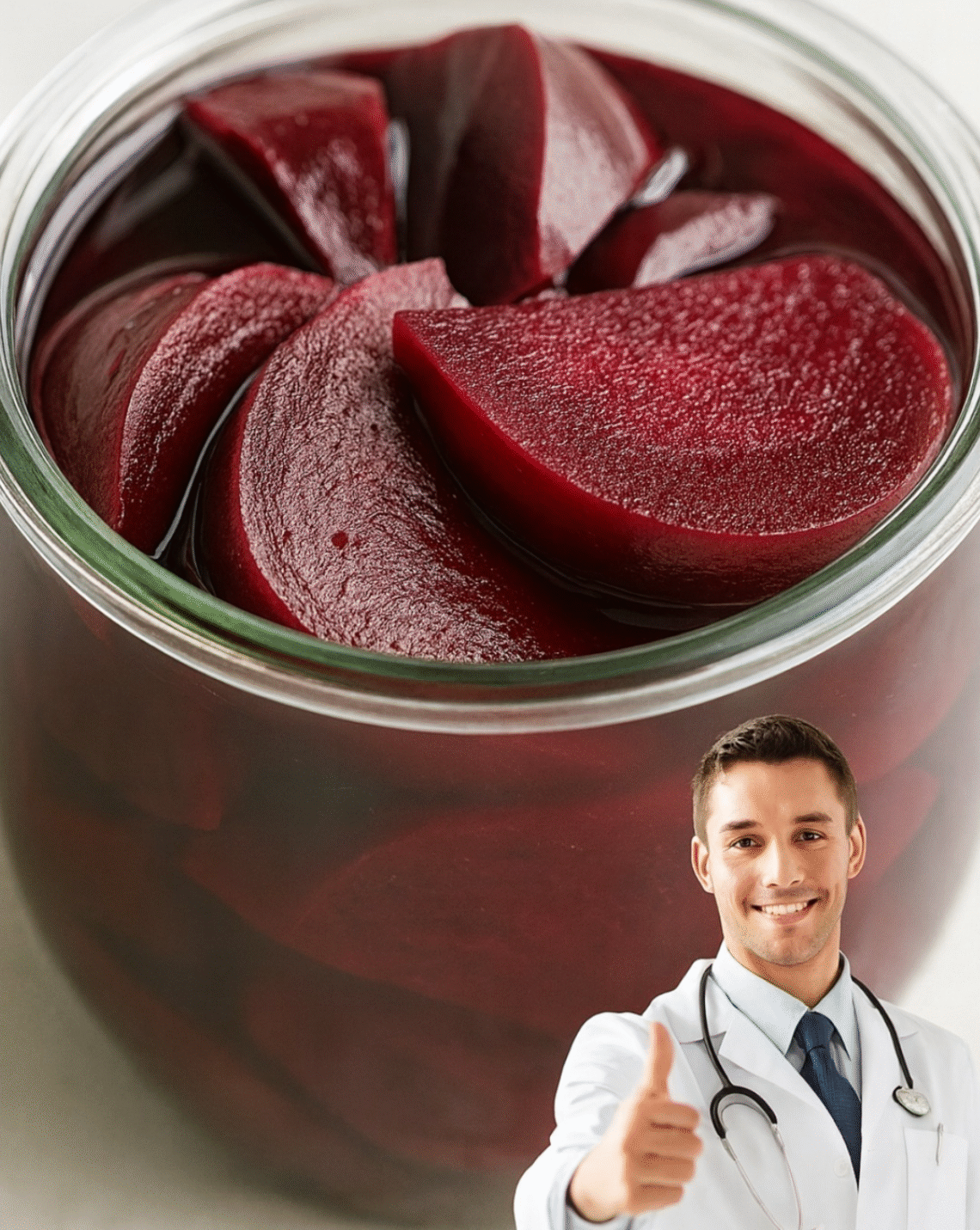
Doctors Explain the Real Changes—Benefits, Mechanisms, and What to Watch For
Beets—deep red, earthy, and naturally sweet—have been part of traditional diets for centuries. Today, they’re often labeled a “superfood,” praised for their effects on blood pressure, athletic performance, and overall health.
But what actually happens inside your body if you start eating beets every day?
Doctors and nutrition experts agree: beets can create noticeable physiological changes—many beneficial, some surprising, and a few that require awareness depending on your health.
This is a detailed, science-based look at the real effects.
What’s Inside Beets?
Beets are rich in:
- Nitrates (natural compounds that convert to nitric oxide)
- Fiber
- Folate (vitamin B9)
- Potassium
- Iron (in small amounts)
- Antioxidants, especially betalains (responsible for the deep red color)
These components interact with your body in powerful ways when consumed regularly.
1. Your Blood Pressure May Decrease
This is one of the most well-documented effects.
How It Works
Beets are high in dietary nitrates. Once consumed, your body converts these into nitric oxide, a molecule that:
- Relaxes blood vessels
- Improves blood flow
- Reduces vascular resistance
Result
- Lower blood pressure
- Improved circulation
What Doctors Say
Regular consumption of beetroot or beet juice has been associated with modest but meaningful reductions in blood pressure, especially in people with hypertension.
2. You May Notice Improved Exercise Performance
Beets are popular among athletes—and for good reason.
Why?
Nitric oxide improves:
- Oxygen delivery to muscles
- Efficiency of energy use
- Endurance
What You Might Feel
- Less fatigue during exercise
- Increased stamina
- Better performance in endurance activities
Even small daily amounts can gradually enhance physical performance.
3. Your Digestion Can Improve
Beets contain fiber, which supports digestive health.
Effects of Daily Intake
- More regular bowel movements
- Improved gut motility
- Support for healthy gut bacteria
Why It Matters
A healthy digestive system contributes to:
- Better nutrient absorption
- Reduced bloating (over time)
- Overall metabolic health
4. Your Body Gets a Boost of Antioxidants
Beets are rich in betalains, powerful antioxidants.
What Antioxidants Do
- Fight oxidative stress
- Protect cells from damage
- Reduce inflammation
Long-Term Impact
Consistent intake may contribute to:
- Reduced chronic inflammation
- Better cellular health
- Support for long-term disease prevention
5. You May Feel More Energized
This is not the same as caffeine energy—but a more stable, sustained effect.
Why It Happens
- Improved blood flow
- Better oxygen delivery
- Enhanced nutrient transport
Result
Many people report:
- Increased stamina
- Reduced fatigue
- Better overall energy levels
6. Your Brain Function May Improve
Nitric oxide doesn’t just affect muscles—it also impacts the brain.
Effects
- Increased blood flow to the brain
- Support for cognitive function
- Potential improvement in focus and memory
This is especially relevant as people age, since blood flow to the brain naturally declines over time.
7. Your Liver Gets Support
Beets are often associated with liver health.
Why?
They contain compounds that may help:
- Support detoxification processes
- Reduce oxidative stress in liver cells
While beets are not a cure or detox solution, they contribute to overall liver support as part of a balanced diet.
8. You Might Notice a Surprising Change: Red Urine or Stool
One of the most unexpected effects is something called beeturia.
What Is It?
After eating beets, some people notice:
- Red or pink urine
- Red-colored stool
Is It Dangerous?
No—this is harmless.
It simply means your body is excreting pigments from the beets.
Why It Happens
Not everyone experiences this. It depends on:
- Stomach acidity
- Iron levels
- Individual metabolism
9. Blood Sugar Effects Are Generally Mild
Beets contain natural sugars, but they also have fiber.
What This Means
- They do not cause rapid blood sugar spikes in most people
- They have a moderate glycemic impact
For People with Diabetes
- Portion control is important
- Eating beets with protein or fat helps stabilize blood sugar
10. Possible Digestive Discomfort at First
If you suddenly start eating beets daily, your body may need time to adjust.
Possible Symptoms
- Gas
- Bloating
- Mild stomach discomfort
Why?
- Increased fiber intake
- Changes in gut bacteria
Solution
- Start with small portions
- Increase gradually
11. Kidney Stone Risk (In Certain Cases)
Beets are high in oxalates, compounds that can contribute to kidney stones in some individuals.
Who Should Be Careful?
- People with a history of kidney stones
- Those prone to oxalate buildup
Recommendation
Moderation is key, especially for at-risk individuals.
12. Iron Absorption Support
Beets contain small amounts of iron and vitamin C.
Effect
They may help support:
- Red blood cell production
- Iron absorption (when combined with other iron-rich foods)
However, they should not be relied on as a primary iron source.
How Much Is “Daily” and Safe?
Doctors generally suggest:
- About ½ to 1 cup of cooked beets per day
or - A small glass of beet juice
This amount is enough to gain benefits without increasing risks.
Best Ways to Eat Beets
Cooked
- Roasted (enhances sweetness)
- Boiled
- Steamed
Raw
- Grated into salads
- Blended into smoothies
Juice
- Concentrated source of nitrates
- Best consumed in moderation
Tips for Maximum Benefits
- Pair with healthy fats (like olive oil) for better nutrient absorption
- Combine with greens for balanced nutrition
- Avoid excessive added sugar when juicing
Who Should Be Cautious?
Doctors advise moderation or consultation for:
- People with kidney stones
- Individuals with low blood pressure
- Those taking blood pressure medication
- People with sensitive digestion