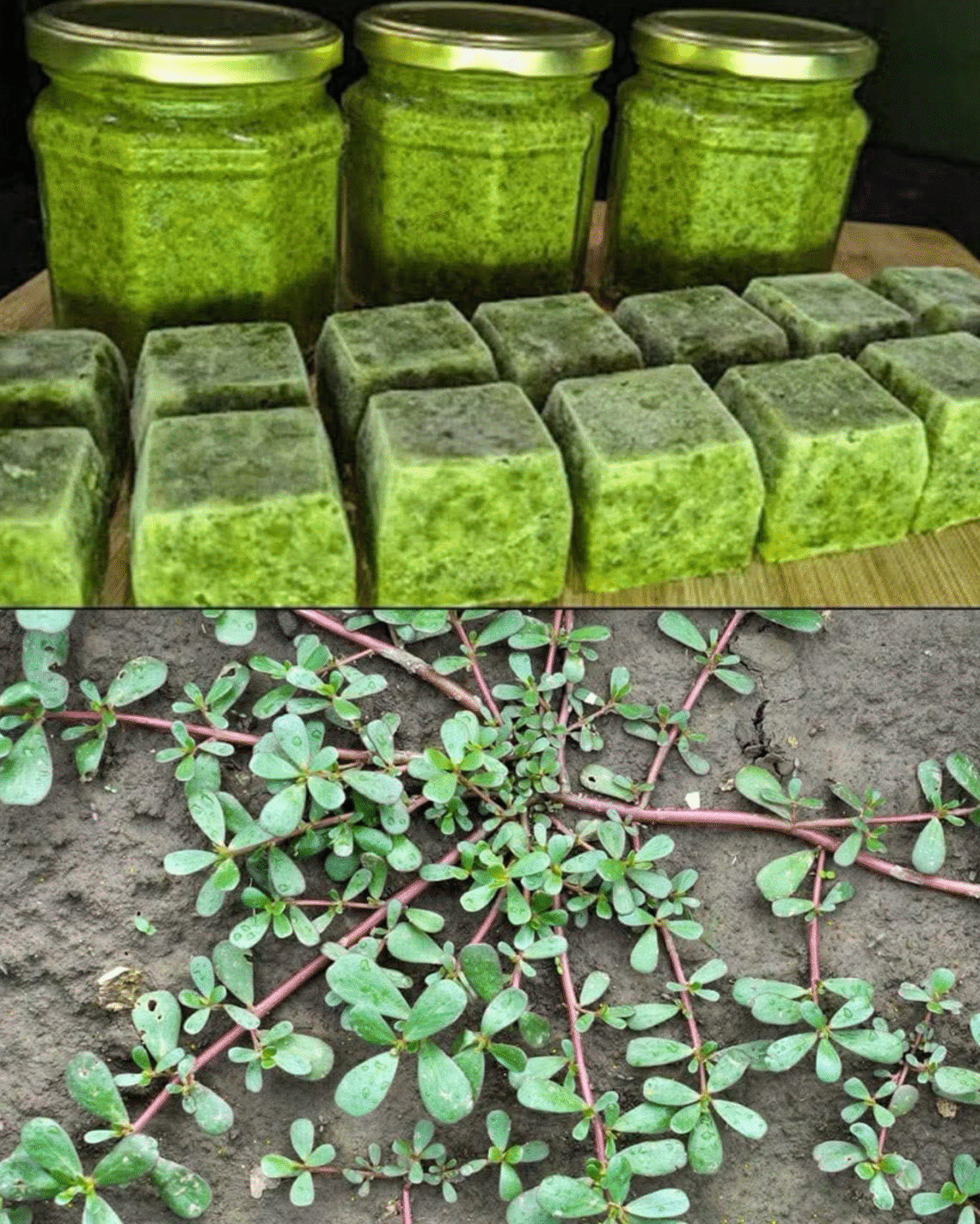
If you’ve never heard of purslane, you might be missing out on one of the healthiest leafy greens you can eat. Often considered a “weed” in gardens or yards, purslane (Portulaca oleracea) is actually a nutritional powerhouse that has been used for thousands of years in traditional medicine and cuisines around the world. From the Mediterranean to Asia, purslane has earned a reputation as a humble but mighty plant. Eating it every day could have profound effects on your body, many of them positive—but there are also things to consider.
What Is Purslane?
Purslane is a succulent, low-growing plant with small, fleshy leaves and reddish stems. Its slightly sour, lemony flavor makes it a popular addition to salads, soups, stir-fries, and stews. Unlike many leafy greens, purslane thrives in poor soil and can survive harsh conditions, which is why it often pops up uninvited in gardens. Despite its “weedy” reputation, it’s one of the most nutrient-dense plants you can eat.
Nutritional Profile
Eating purslane daily introduces your body to an impressive array of vitamins, minerals, and compounds:
- Omega-3 Fatty Acids: Purslane is one of the richest plant sources of alpha-linolenic acid (ALA), a type of omega-3 essential for heart and brain health.
- Vitamin A: Supports vision, immune function, and skin health.
- Vitamin C: Boosts immunity, supports collagen production, and acts as a powerful antioxidant.
- Magnesium, Calcium, and Potassium: Crucial for bone health, heart function, and electrolyte balance.
- Iron: Important for red blood cell production and oxygen transport.
- Antioxidants: Compounds like betalain pigments help protect your cells from oxidative stress and inflammation.
- Fiber: Aids digestion, helps regulate blood sugar, and supports gut health.
Potential Benefits of Eating Purslane Daily
- Heart Health and Cholesterol Management
Thanks to its omega-3 content, purslane can help reduce inflammation and lower triglycerides. Studies suggest that regular consumption of purslane may contribute to healthier cholesterol levels, supporting cardiovascular function and reducing the risk of heart disease. - Anti-Inflammatory Effects
Purslane contains antioxidants and anti-inflammatory compounds that help protect your cells from oxidative damage. Eating it daily may reduce systemic inflammation, which is linked to conditions like arthritis, diabetes, and chronic heart disease. - Blood Sugar Regulation
Some research shows that purslane can help regulate blood sugar levels. Its fiber content slows digestion and reduces post-meal blood sugar spikes, making it a potentially beneficial addition for people with insulin resistance or type 2 diabetes. - Bone and Muscle Support
With calcium, magnesium, and potassium, purslane supports bone density and muscle function. Regular intake may help prevent deficiencies that can lead to weak bones, cramps, or other musculoskeletal issues. - Skin and Eye Health
The high vitamin A content promotes healthy skin and vision. Eating purslane daily can help maintain skin elasticity, reduce signs of aging, and support night vision. - Digestive Health
Purslane’s fiber content promotes regular bowel movements, improves gut microbiota, and may reduce the risk of constipation. A healthy gut also supports immunity and mental well-being. - Weight Management
Low in calories but nutrient-dense, purslane can be a great addition to weight management diets. Its fiber content helps you feel fuller for longer, potentially reducing overeating.
Potential Risks and Considerations
While purslane is generally safe, eating it every day comes with a few considerations:
- Oxalates: Purslane contains oxalates, which can contribute to kidney stones in susceptible individuals. People with a history of kidney issues should moderate intake or consult a doctor.
- Interactions with Medications: Purslane may interact with certain blood-thinning or anti-inflammatory medications. It’s always best to discuss dietary changes with your healthcare provider if you take prescription drugs.
- Digestive Sensitivity: For some, consuming large amounts may cause mild digestive upset or bloating, especially if your body is not used to high-fiber foods.
Culinary Uses and Tips for Daily Consumption
Eating purslane daily doesn’t have to be boring. Its slightly tangy flavor pairs well with many dishes:
- Fresh in Salads: Combine with tomatoes, cucumbers, and olive oil for a refreshing Mediterranean-style salad.
- Stir-Fried or Sautéed: Add to garlic, onions, or peppers for a quick, nutrient-packed side dish.
- Soups and Stews: Incorporate purslane into vegetable or lentil soups for extra texture and nutrients.
- Smoothies: Blend a handful into green smoothies for an omega-3 boost.
- Pickled: In some cuisines, purslane is lightly pickled to preserve its nutrients and tangy flavor.
Scientific and Historical Perspective
Purslane is not just a modern “superfood.” Ancient Greeks and Romans valued it for its medicinal properties. Traditional Chinese medicine used it to treat urinary tract infections, reduce inflammation, and cool the body. Modern science is now confirming many of these benefits, showing that eating purslane every day can have measurable effects on inflammation, cardiovascular health, and nutrient intake.
Conclusion
Incorporating purslane into your daily diet can provide a range of health benefits, from heart and digestive support to stronger bones, clearer skin, and better blood sugar regulation. Its high nutrient density, combined with low calories and unique omega-3 content, makes it an ideal plant for anyone seeking to improve overall health naturally.
However, like all foods, moderation and variety are key. Pairing purslane with a balanced diet of other vegetables, fruits, whole grains, and proteins ensures your body receives a broad spectrum of nutrients.
So, the next time you spot this humble green in your garden or local market, don’t dismiss it as a weed. It’s a powerhouse plant that, when eaten regularly, may quietly transform your health, one leafy bite at a time.