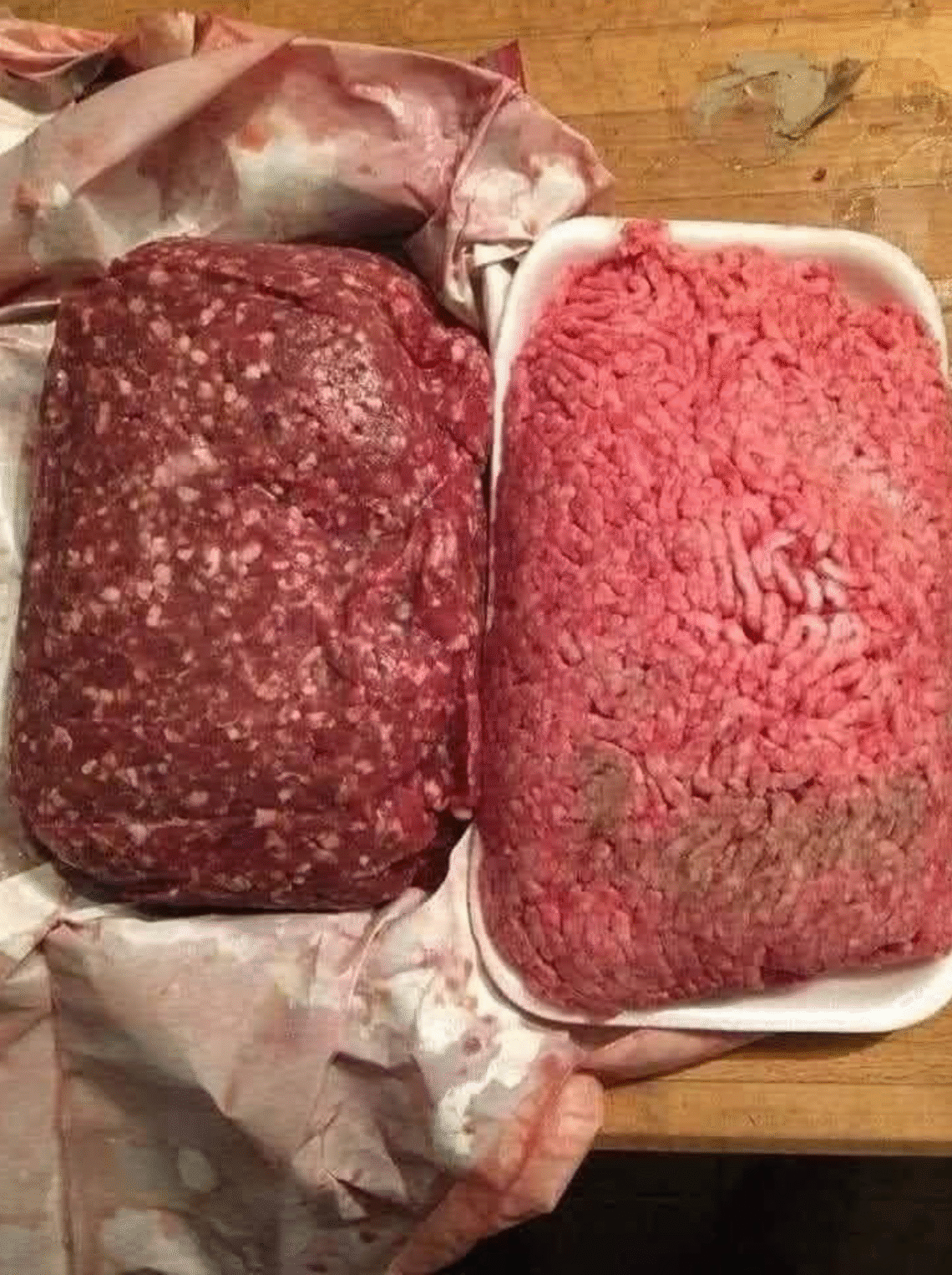
When it comes to beef, not all steaks are created equal. Walk into your local grocery store, and you’ll find neatly packaged cuts of beef, each labeled with grades like Choice, Select, or even “organic.” At first glance, these options may seem identical to the eye and the wallet. But the truth is, there’s a profound difference between standard store-bought beef and farm-raised beef, and understanding it can change the way you cook, eat, and appreciate meat.
Whether you’re a home cook striving for flavor, a health-conscious eater, or someone curious about sustainable practices, knowing where your beef comes from is essential. Let’s explore this in depth.
1. The Journey of Store-Bought Beef
Most of the beef in supermarkets comes from industrial-scale operations. This means:
Mass production: Cattle are raised in feedlots, sometimes hundreds or thousands of animals at a time.
Diet: Animals are typically fed grain-heavy diets, including corn and soy, to fatten them quickly.
Processing: After slaughter, beef is often aged for a short period, then packaged with preservatives to extend shelf life.
Labeling: Terms like “Choice” or “Select” indicate marbling and tenderness but not the animal’s living conditions or diet quality.
Pros of store-bought beef:
Widely available
More affordable
Predictable flavor and texture
Cons:
Less nutrient-dense compared to grass-fed or farm-raised beef
May contain higher levels of omega-6 fatty acids due to grain feeding
Often associated with more environmental and ethical concerns
In short, store-bought beef is convenient and consistent, but it may lack the depth of flavor and the health benefits that farm-raised beef can provide.
2. Farm-Raised Beef: What Makes It Different
Farm-raised beef typically comes from smaller, local farms that prioritize animal welfare, natural diets, and sustainable practices. Characteristics include:
Grass-fed diets: Cattle graze on pastures, consuming natural forage, which enhances flavor and nutrient content.
Space and care: Animals often roam freely or have more space to move, promoting healthier muscle development.
Slower growth: Without rapid fattening via grains, farm-raised cattle grow more slowly, resulting in more marbling and richer texture.
Natural aging: Beef may be dry-aged or wet-aged on the farm, which improves tenderness and develops deeper, more complex flavors.
Pros of farm-raised beef:
Higher in omega-3 fatty acids and CLA (conjugated linoleic acid)
Often richer in vitamins and minerals
Superior flavor, tenderness, and marbling
Supports sustainable and humane farming practices
Cons:
More expensive
Limited availability in some regions
Less standardized cuts and appearance
Farm-raised beef is often described as having a richer, more robust flavor, with a buttery texture and a subtle, grassy aroma. It’s a meat-eater’s delight for those willing to invest a little extra in quality.
3. Flavor and Texture Differences
One of the most noticeable differences between store-bought and farm-raised beef is taste and mouthfeel.
Store-bought beef: Mild, often slightly bland, with uniform texture. Over-reliance on grain feeding can result in a heavier fat flavor rather than the nuanced taste of grass-fed fat.
Farm-raised beef: More complex flavor—notes of grass, minerals, and earthiness. Fat is firmer, melts at a slightly higher temperature, and provides a richer, lingering taste.
Chefs and food enthusiasts often say that farm-raised beef cooks differently, too. It browns beautifully, retains juices better, and requires less seasoning to achieve a flavorful dish.
4. Nutritional Differences
Health-conscious eaters will find farm-raised beef particularly appealing:
Feature
Store-Bought Beef
Farm-Raised Beef
Omega-3 Fatty Acids
Low
Higher
Omega-6 Fatty Acids
Higher
Balanced
CLA (Conjugated Linoleic Acid)
Low
Higher
Vitamins & Minerals
Moderate
Higher (B12, Iron, Zinc)
Antioxidants
Lower
Higher (Vitamin E)
These differences occur primarily because diet affects the fat composition of the beef. Grass-fed cows accumulate more beneficial fats and micronutrients in their meat than grain-fed, feedlot-raised animals.
5. Ethical and Environmental Considerations
The choice between store-bought and farm-raised beef is not just about flavor or nutrition—it’s also about ethics and sustainability.
Industrial beef production:
High-density feedlots can lead to animal welfare issues
Increased greenhouse gas emissions due to concentrated feeding operations
Greater reliance on antibiotics and hormones
Farm-raised beef:
Emphasizes humane treatment, pasture access, and natural behaviors
Supports biodiversity through rotational grazing and responsible land management
Reduces the carbon footprint when produced sustainably
Consumers increasingly choose farm-raised beef to align with their values, supporting local farmers and environmentally responsible practices.
6. Cooking Considerations
Store-bought and farm-raised beef may require slightly different cooking approaches:
Store-bought beef: Usually uniform and forgiving. Works well for quick pan-searing, stews, or oven roasts.
Farm-raised beef: Often leaner and denser, meaning overcooking can lead to dryness. Best cooked:
Medium-rare to medium for steaks
Slow-cooked or braised for tougher cuts
With minimal seasoning to highlight natural flavors
Understanding these differences ensures you maximize flavor, tenderness, and juiciness.
7. Cost vs. Value
Store-bought beef is convenient and budget-friendly, but farm-raised beef offers value beyond dollars:
Superior taste
Nutritional benefits
Ethical farming support
Environmental impact reduction
Many food enthusiasts argue that the higher cost of farm-raised beef is justified by these factors, especially if consumed mindfully rather than as an everyday staple.
8. Tips for Choosing the Best Beef
Know your source: Ask farmers or butchers about feeding practices, aging methods, and animal welfare standards.
Look at marbling: Fat distribution affects flavor and juiciness.
Consider cuts: Tender cuts like ribeye or sirloin cook beautifully for steaks; tougher cuts like chuck benefit from slow cooking.
Check labeling carefully: Terms like “grass-fed,” “pasture-raised,” or “organic” provide insight, but verify with trusted vendors.
Plan your use: Leaner farm-raised cuts may need gentle cooking; store-bought cuts may handle high-heat methods more easily.
9. Bottom Line
Choosing between store-bought and farm-raised beef is more than a grocery decision—it’s a culinary, nutritional, and ethical choice. Store-bought beef offers convenience, affordability, and uniformity, while farm-raised beef delivers superior flavor, richer nutrition, and a connection to sustainable, humane practices.
For those seeking flavor, health benefits, and a more intentional eating experience, farm-raised beef is worth the investment. On the other hand, store-bought beef can serve as a practical everyday solution when budget or access is a concern.
Ultimately, understanding the difference allows you to make informed choices and elevate your meals from simple protein to a culinary and health-conscious experience.