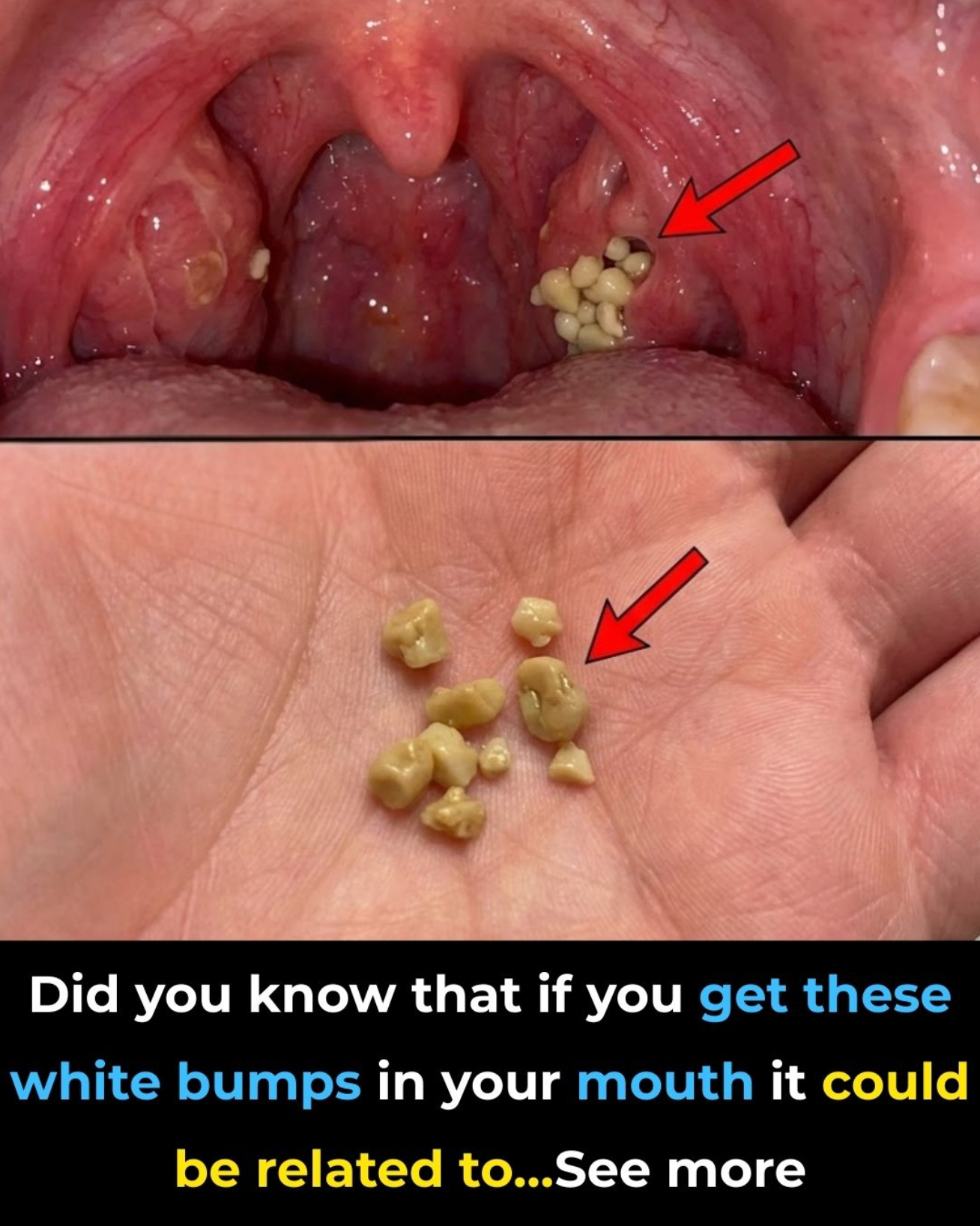
You’re brushing your teeth when you catch a glimpse of something unusual in the mirror—a tiny off-white pebble lodged in the back of your throat. Or maybe you’ve been dealing with stubborn bad breath that won’t go away no matter how carefully you brush and floss. You might feel a persistent tickle, mild irritation, or the strange sensation that something is stuck when you swallow.
Chances are, you’re dealing with tonsil stones—also known medically as tonsilloliths.
They’re small. They’re common. And while they’re usually harmless, they can be surprisingly uncomfortable and embarrassing. Let’s explore what they are, why they form, what they feel like, and how to manage them safely.
What Are Tonsil Stones?
Tonsil stones are small, hardened clusters that form in the crevices (called tonsil crypts) of your tonsils.
Your tonsils aren’t smooth surfaces. They contain natural folds and pockets. These crypts are part of your immune system’s defense, helping trap bacteria and debris before it enters deeper tissues.
But sometimes, material gets stuck inside those pockets, including:
- Dead cells
- Food particles
- Mucus
- Bacteria
When this material accumulates and calcifies over time, it hardens into small stones.
They can be:
- White
- Yellowish
- Off-white
- Soft or crumbly
- Occasionally firm and pebble-like
Most are small—like grains of rice—but some can grow larger.
Why Do Tonsil Stones Form?
Several factors increase the likelihood:
1. Deep Tonsil Crypts
Some people naturally have more pronounced folds in their tonsils. The deeper the pockets, the easier it is for debris to collect.
2. Chronic Tonsillitis
Frequent inflammation can enlarge crypts and trap more material.
3. Post-Nasal Drip
Excess mucus draining down the throat contributes to buildup.
4. Oral Bacteria
Your mouth contains hundreds of bacterial species. Certain bacteria produce sulfur compounds, which are often responsible for the unpleasant smell associated with tonsil stones.
5. Poor Oral Hygiene (but not always)
While hygiene helps, even people with excellent dental habits can develop tonsil stones.
They are not necessarily a sign of neglect.
Symptoms You Might Notice
Many tonsil stones cause no symptoms at all. Some people discover them accidentally.
When symptoms do occur, they may include:
- Persistent bad breath (halitosis)
- A metallic or unpleasant taste
- Sore throat
- Difficulty swallowing
- Ear pain (referred pain from shared nerve pathways)
- Feeling like something is stuck in the throat
- Visible white lumps on the tonsils
Bad breath is often the most distressing symptom. This happens because bacteria trapped inside stones produce volatile sulfur compounds—the same chemicals responsible for the smell of rotten eggs.
Are Tonsil Stones Dangerous?
In most cases, no.
They are generally:
- Benign
- Non-cancerous
- Not contagious
However, if you experience:
- Severe throat pain
- Swelling
- Fever
- Difficulty breathing
- Repeated infections
You should seek medical evaluation.
Large or persistent stones may require professional care.
How Are They Diagnosed?
Often, diagnosis is visual. A healthcare provider may:
- Use a light to inspect your throat
- Gently press the tonsils
- Order imaging if stones are deeply embedded
Most cases do not require advanced testing.
Safe Ways to Manage Tonsil Stones
If stones are small and not causing major discomfort, conservative management is often recommended.
1. Gargling
Warm saltwater gargles may:
- Help loosen debris
- Reduce bacteria
- Decrease inflammation
Do this gently, not forcefully.
2. Good Oral Hygiene
Maintain:
- Regular brushing (including tongue)
- Flossing
- Antibacterial mouthwash (if recommended)
This reduces bacterial load.
3. Hydration
Drinking enough water helps prevent dry mouth, which can worsen bacterial buildup.
What Not to Do
Avoid aggressive removal attempts such as:
- Using sharp objects
- Digging with hard tools
- Forcing stones out with excessive pressure
The tonsil area is delicate and can bleed easily.
If removal is needed, it should be done gently—or by a healthcare professional.
When Medical Treatment Is Considered
If tonsil stones are:
- Frequent
- Painful
- Causing chronic bad breath
- Leading to repeated infections
An ENT specialist may discuss options like:
- Irrigation
- Laser cryptolysis (reducing tonsil pockets)
- Tonsillectomy in severe, recurring cases
Surgical removal is usually a last resort.
Why They Feel So Annoying
Even tiny stones can feel disproportionately irritating because the throat is highly sensitive. A small particle lodged in a tonsil crypt can trigger the sensation of something much larger.
The brain interprets throat sensations very strongly due to protective reflexes.
So the discomfort may feel bigger than the stone itself.
Emotional Impact
Tonsil stones can cause embarrassment, especially when linked to bad breath. Many people hesitate to talk about them.
But they’re surprisingly common. Millions of people experience them at some point.
They are a medical issue—not a personal failing.
Prevention Strategies
While you can’t always prevent them completely, you can reduce risk by:
- Managing allergies and post-nasal drip
- Staying hydrated
- Practicing consistent oral hygiene
- Seeking treatment for chronic tonsillitis
Some people naturally outgrow frequent stones as tonsil tissue changes with age.
The Takeaway
Tonsil stones are small accumulations of debris that harden inside the folds of your tonsils. They may cause bad breath, throat discomfort, or the sensation of something stuck—but they are usually harmless.
Understanding what they are removes much of the anxiety. They’re not a sign of serious disease in most cases. They’re simply a byproduct of how your tonsils function.
If symptoms are mild, simple hygiene and hydration often help. If they’re persistent or severe, medical guidance can provide solutions.
Small lumps. Big annoyance. But manageable—with knowledge and calm, informed care.