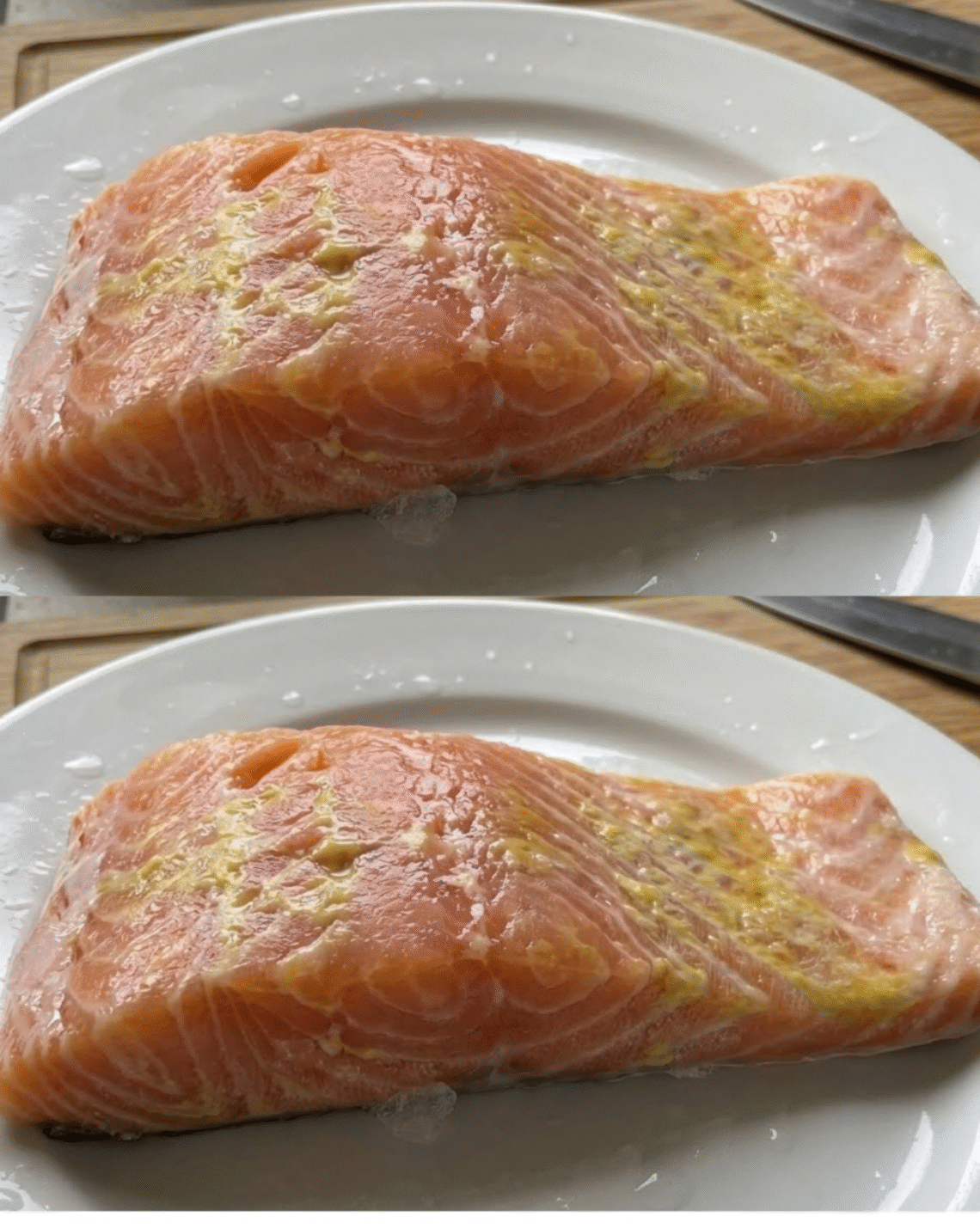
What That Yellowish Tint Really Means—and Whether It’s Safe to Eat
Salmon is a family favorite in many homes. It’s versatile, flavorful, and packed with nutrients. Whether grilled with a squeeze of lemon, brushed with a sweet teriyaki glaze, or pan-seared until the edges turn crispy and buttery, salmon often feels like a reliable, healthy choice for dinner.
So imagine the surprise—and concern—when you pull a salmon fillet out of the freezer, let it thaw, and suddenly notice yellowish patches or a pale yellow tint on the flesh. The immediate reaction is almost universal: Is this still safe to eat, or should I throw it away?
The good news is that yellowing on defrosted salmon is common and not always a sign of spoilage. In many cases, it’s a natural result of storage, oxidation, or fat separation. However, there are also situations where yellowing can indicate quality loss or spoilage. Understanding the difference is key.
Let’s break it all down.
What Causes Yellow Coloring on Defrosted Salmon?
1. Natural Fat Separation During Freezing and Thawing
Salmon is a fatty fish, rich in healthy omega-3 fatty acids. When salmon is frozen, these fats can separate slightly from the muscle fibers. As the fish thaws, the fat may migrate toward the surface and appear as yellow or golden areas.
This is especially common:
In wild-caught salmon
In fattier cuts
When the fish has been frozen for a longer period
In this case, the yellow color is simply concentrated fat—and it’s completely safe.
2. Oxidation of Fats (A Normal Chemical Reaction)
When salmon is exposed to air—even while frozen—its fats can undergo oxidation. This is similar to how oils can change color or smell over time.
Oxidation may cause:
Yellowing or dulling of the pink color
Slight changes in texture
If there’s no strong odor or slime, the salmon is usually still safe, though flavor quality may be slightly reduced.
3. Freezer Burn and Dehydration
If salmon is not tightly wrapped or vacuum-sealed, moisture can escape during freezing. This leads to freezer burn, which often shows up as:
Pale yellow or grayish patches
Dry or leathery areas
Freezer-burned salmon is not dangerous, but it may taste dry or bland. Many people simply trim off the affected areas before cooking.
4. Diet and Natural Pigments
Salmon’s color comes from astaxanthin, a natural pigment found in their diet (especially in wild salmon that eat krill and shrimp). Variations in diet can cause uneven coloration, including lighter or yellowish areas.
This is particularly common in:
Wild-caught salmon
Fish with uneven fat distribution
Again, this is natural and harmless.
When Yellowing Might Be a Warning Sign
While yellowing is often harmless, there are times when it can signal spoilage.
Signs You Should NOT Eat the Salmon:
Strong, sour, or ammonia-like smell
Sticky or slimy surface that doesn’t rinse off
Greenish, gray, or milky discoloration
Mushy or excessively soft texture
If yellowing is accompanied by any of these signs, it’s safest to discard the fish.
The Smell Test: Your Best Indicator
Fresh salmon should smell:
Mild
Clean
Slightly ocean-like
It should not smell fishy, sour, or pungent. If the odor makes you hesitate, trust your instincts.
Does Yellow Salmon Mean It’s Less Nutritious?
Not necessarily.
The omega-3 fats are still present
Protein content remains intact
Vitamins and minerals are largely unaffected
However, oxidation and freezer burn may slightly reduce flavor and texture—not safety.
How to Prevent Yellowing in the Future
1. Use Proper Storage
Vacuum-seal salmon if possible
Wrap tightly in plastic wrap, then foil
Store in airtight freezer bags
2. Freeze Quickly
The faster salmon freezes, the less damage occurs to its structure and fats.
3. Thaw Correctly
Thaw overnight in the refrigerator
Avoid room-temperature thawing
Keep fish sealed while thawing to reduce oxidation
Can You Still Cook Yellow-Tinted Salmon?
Yes—if it smells fine and feels firm.
Great cooking methods include:
Grilling (adds flavor and masks mild oxidation)
Baking with sauce or herbs
Pan-searing with butter, garlic, or lemon
If freezer burn is present, trimming the affected areas improves results.
Final Thoughts
Seeing yellow on defrosted salmon can be alarming, but in most cases, it’s a normal and harmless result of freezing, fat content, or oxidation. Color alone does not determine safety. Smell, texture, and overall appearance matter far more.
When in doubt, trust your senses. And with proper storage and thawing techniques, you can continue enjoying salmon confidently—golden hues and all.