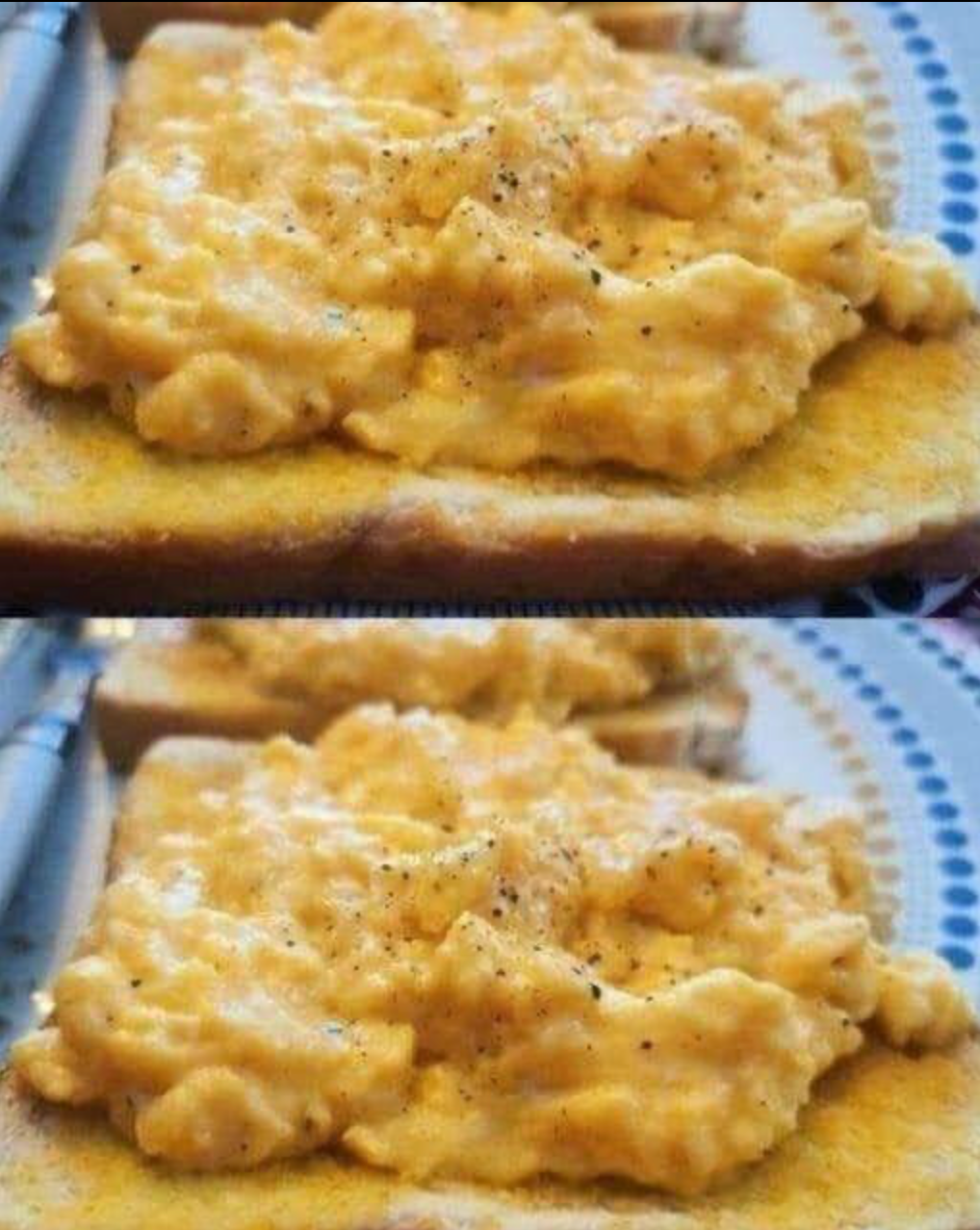
Scrambled eggs—seemingly simple, yet they can be tricky to master. Whether you’re making breakfast for yourself, family, or friends, the key to perfect scrambled eggs lies in technique, timing, and the right ingredients. We’re about to share the ultimate method to make scrambled eggs that are creamy, fluffy, and foolproof every single time.
In this recipe, we’ll walk you through step-by-step instructions to achieve the most luscious scrambled eggs, with a smooth, soft texture that melts in your mouth. Plus, we’ll share some pro tips to take your scrambled eggs to the next level.
Perfect Scrambled Eggs Recipe
Ingredients:
- 4 large eggs (fresh, free-range or organic eggs are best for flavor)
- 1 tablespoon butter (unsalted)
- 2 tablespoons heavy cream (or milk for a lighter version)
- Salt (to taste)
- Freshly ground black pepper (optional, to taste)
Instructions:
Step 1: Crack the Eggs
- Crack the eggs into a bowl. Use a fork or a whisk to beat them lightly. You want to break the yolks and mix the egg whites in, but don’t overbeat them. The goal is a smooth mixture without too many air bubbles.
- Add the cream: For the ultimate creamy, soft scrambled eggs, add 2 tablespoons of heavy cream (or milk, if you prefer). The cream helps make the eggs velvety and tender. You can also adjust the amount depending on how creamy you want them.Pro Tip: For fluffier scrambled eggs, you can add a small splash of water instead of cream. This helps create steam during cooking, resulting in an airy texture.
- Season: Add a pinch of salt to taste. Pepper is optional but recommended for flavor. Mix just enough to combine the ingredients—don’t overwork it.
Step 2: Preheat the Pan
- Choose your pan: Use a non-stick skillet or frying pan for best results. A 10-12 inch pan is perfect for 4 eggs.
- Melt the butter: Place the skillet over low-medium heat. Add 1 tablespoon of butter to the pan. Allow it to melt slowly and coat the entire bottom of the pan. You don’t want the butter to brown, so keep the heat low.Pro Tip: For extra flavor, you can substitute the butter with a small drizzle of olive oil or add a combination of both.
Step 3: Cook the Scrambled Eggs
- Pour the eggs into the pan: Once the butter is melted and the pan is heated, pour the beaten eggs into the pan.
- Stir gently: Using a silicone spatula or a wooden spoon, gently stir the eggs in the pan. Move the spatula from the edges of the pan to the center in soft, sweeping motions. This helps create large, soft curds.
- Low and Slow: The key to creamy scrambled eggs is low and slow cooking. Resist the temptation to crank up the heat. Cooking the eggs over medium-low heat will ensure a smooth and creamy texture. You want them to cook slowly to avoid overcooking, which can make them rubbery or dry.
- Keep stirring: Stir the eggs every 10–15 seconds to prevent them from sticking to the pan and to ensure even cooking. As the eggs cook, you will see them start to form curds. The idea is to scrape the cooked parts from the edge of the pan and fold them into the rest of the uncooked egg mixture.
- Look for the right consistency: As the eggs begin to set, they should look slightly underdone but still hold together. They’ll continue to cook a little bit after you remove them from the heat. Ideally, your eggs should be soft and creamy, not dry or overcooked.
Step 4: Remove from Heat
- Finish early: Once the eggs are still slightly runny, remove them from the heat. They will continue to cook in the residual heat of the pan. At this point, they should look creamy and soft, with just a tiny bit of runniness left in the curds. The eggs should be fluffy with no visible liquid.
- Taste and adjust: Before serving, taste the eggs and add any additional salt or pepper if needed.
Step 5: Serve Immediately
- Serve while hot: Scrambled eggs are best enjoyed immediately while they’re still soft and warm. Place them on a plate and garnish with fresh herbs like chives, parsley, or tarragon, if desired.Optional: You can also add a sprinkle of cheese like cheddar, feta, or parmesan for extra richness, or a dash of hot sauce for some heat.
Why These Scrambled Eggs Are So Good:
1. The Right Ratio of Eggs to Cream
The key to fluffy scrambled eggs is not just in the eggs themselves but also the liquid added. By using heavy cream or milk, you make the eggs soft and tender. The cream adds richness and keeps the eggs from drying out during the cooking process.
2. Low and Slow Cooking
Cooking the eggs on low heat is what makes them creamy and velvety. High heat will cause the proteins in the eggs to coagulate too quickly, resulting in dry, rubbery eggs. By cooking gently, the eggs stay soft, creamy, and full of flavor.
3. Stirring Technique
Stirring the eggs slowly and consistently helps create large, soft curds of scrambled eggs. This avoids tiny, overcooked bits of eggs that can form when you cook them too quickly.
4. Fresh Eggs Are Key
Using fresh eggs makes all the difference in texture and flavor. Fresh eggs create fluffier scrambled eggs with a natural richness that adds depth to the dish. If you can get your hands on free-range or organic eggs, even better.
Pro Tips for the Perfect Scrambled Eggs:
- Don’t Overbeat the Eggs: When whisking the eggs, don’t overmix them. Just a gentle whisking will do. Over-beating can incorporate too much air, leading to less creamy eggs.
- Use a Non-Stick Pan: A non-stick pan is ideal for scrambled eggs because it prevents them from sticking and allows for smooth cooking. Plus, it makes cleanup much easier!
- Don’t Overcook: The most important tip for perfect scrambled eggs is to remove them from the heat when they’re still slightly underdone. They’ll continue cooking on the plate, so you want to catch them just before they’re fully set.
- Avoid Using High Heat: Resist the urge to turn up the heat to speed things up. Low heat ensures a more even cook and results in a more delicate texture.
- Add Extra Flavor: Feel free to experiment with seasonings! Add a pinch of cayenne pepper for a little heat, or a handful of fresh herbs like chives, parsley, or dill to enhance the flavor.
Serving Suggestions:
- With Toast: Serve your scrambled eggs on buttered toast or avocado toast for a classic breakfast or brunch.
- With Sautéed Veggies: Pair your eggs with some sautéed spinach, mushrooms, or roasted tomatoes for a more filling meal.
- On a Croissant: For an indulgent breakfast, layer scrambled eggs inside a freshly baked croissant for a French-inspired dish.
- With Smoked Salmon: Add a side of smoked salmon or cooked bacon to take your scrambled eggs to the next level.
- With Cheese: Stir in some cheddar, feta, or goat cheese just before serving to create extra creaminess and flavor.
Conclusion:
Making the perfect scrambled eggs isn’t about speed; it’s about technique and patience. With this method, you’ll achieve soft, creamy, and fluffy scrambled eggs every time. It’s a simple recipe that, when done right, will elevate your breakfast game. Whether you enjoy them with a side of crispy bacon or as part of a fresh veggie scramble, this recipe is sure to become your go-to for an indulgent yet simple meal.